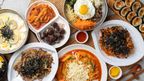
Korean cuisine demands precision in pairing. The bold, complex flavors that define dishes like kimchi jjigae and gochujang-marinated meats require thoughtful combinations to unlock their full potential rather than standalone enjoyment.
Traditional Korean meals center on the concept of "bapsang," a dining table arrangement that demonstrates intentional pairing philosophy. Rice serves as the foundation, while banchan (side dishes) create flavor balance. Spicy elements pair with cooling components. Fermented items complement fresh vegetables. This isn't random assembly but calculated harmony.
Kimchi, Korea's fermented cornerstone, pairs brilliantly with rich broths and fatty meats. The acidity and spice cut through heaviness while cleansing the palate. Korean steakhouses leverage this principle, serving premium beef galbi alongside aggressive fermented vegetable sides. Gochujang, the red chili paste present in countless dishes, finds its match in sesame seeds, garlic, and subtle sweetness from rice vinegar or mirin.
Seasonal ingredients matter enormously. Spring brings wild greens like namul that pair with lighter broths. Summer features cold noodles (naengmyeon) paired with cool broth and pickled vegetables. Autumn showcases mushroom medleys with warming spices. Winter demands hot stews paired with preserved vegetables.
Beverage pairings follow distinct rules. Makgeolli, the sweet rice wine, pairs with pajeon (vegetable pancakes) and spicy stews. Soju, Korea's distilled spirit, complements fatty dishes and grilled meats, its clean burn neutralizing richness. Traditional Korean meals rarely feature wines or cocktails, though modern Seoul restaurants now experiment with craft pairings.
Understanding these combinations transforms Korean dining from novelty to mastery. Restaurants throughout Korea, from humble