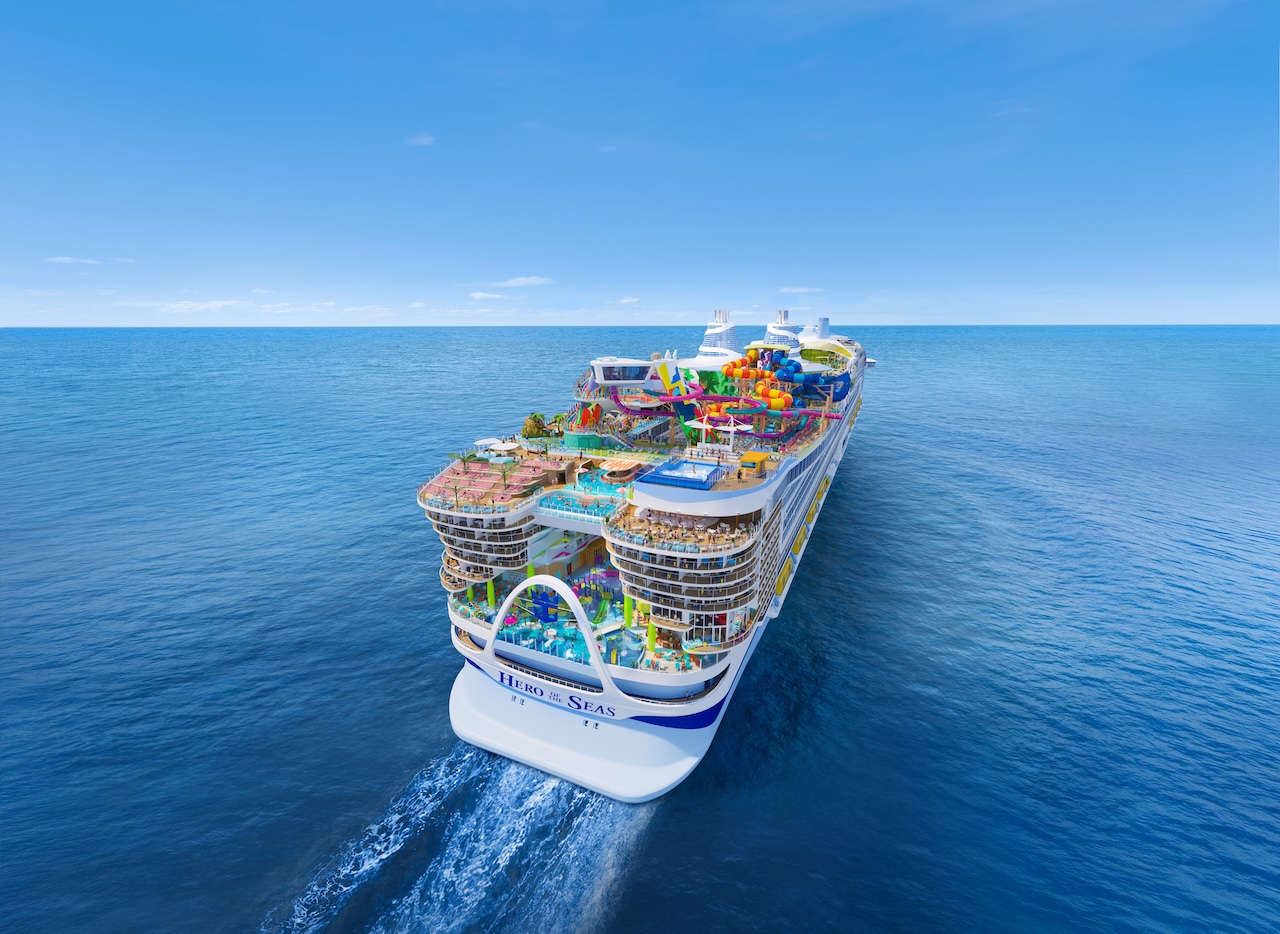
Royal Caribbean's ambitious expansion into Mexico has stalled. The cruise line sought to develop Perfect Day at CocoCay, a private island destination in the Bahamas, with a corresponding Mexican resort property. Mexico's government rejected the project, marking a rare setback for a company that has successfully navigated major strategic investments over the past decade.
Perfect Day represents Royal Caribbean's premium island experience, featuring water parks, exclusive dining venues, and luxury accommodations. The brand operates successful Perfect Day locations at CocoCay in the Bahamas and has expanded aggressively across the Caribbean. Mexico rejection signals growing scrutiny of large-scale resort development in the country, particularly projects involving foreign cruise operators.
The significance extends beyond the lost investment. Royal Caribbean commands the cruise market with 25 percent share, operating brands including Celebrity Cruises and Silversea. The company has executed flawless capital allocation, delivering shareholder returns while modernizing its fleet with new ships like Icon of the Seas. Executives rarely miscalculate their market position or expansion timing.
Mexico's decision reflects changing attitudes toward cruise tourism infrastructure. The country prioritizes protecting coastal ecosystems and ensuring local community benefits from tourism development. Similar pushback has emerged in Caribbean destinations where residents question whether cruise expansion outweighs environmental costs and wage impacts for workers.
For travelers, this affects future itinerary options. Royal Caribbean's Mexican expansion would have offered new destinations and longer sailing seasons from U.S. ports. Cruisers departing from Texas and Florida ports expected enhanced Mexico-focused sailings with integrated Perfect Day experiences.
The rejection doesn't threaten Royal Caribbean's financial health or cruise capacity. The company possesses sufficient capital for alternative projects. However, it demonstrates that even dominant operators face regulatory obstacles in mature markets. Cruise lines must increasingly balance shareholder expectations against destination governments' environmental and community concerns.
Mexico's position as a prime