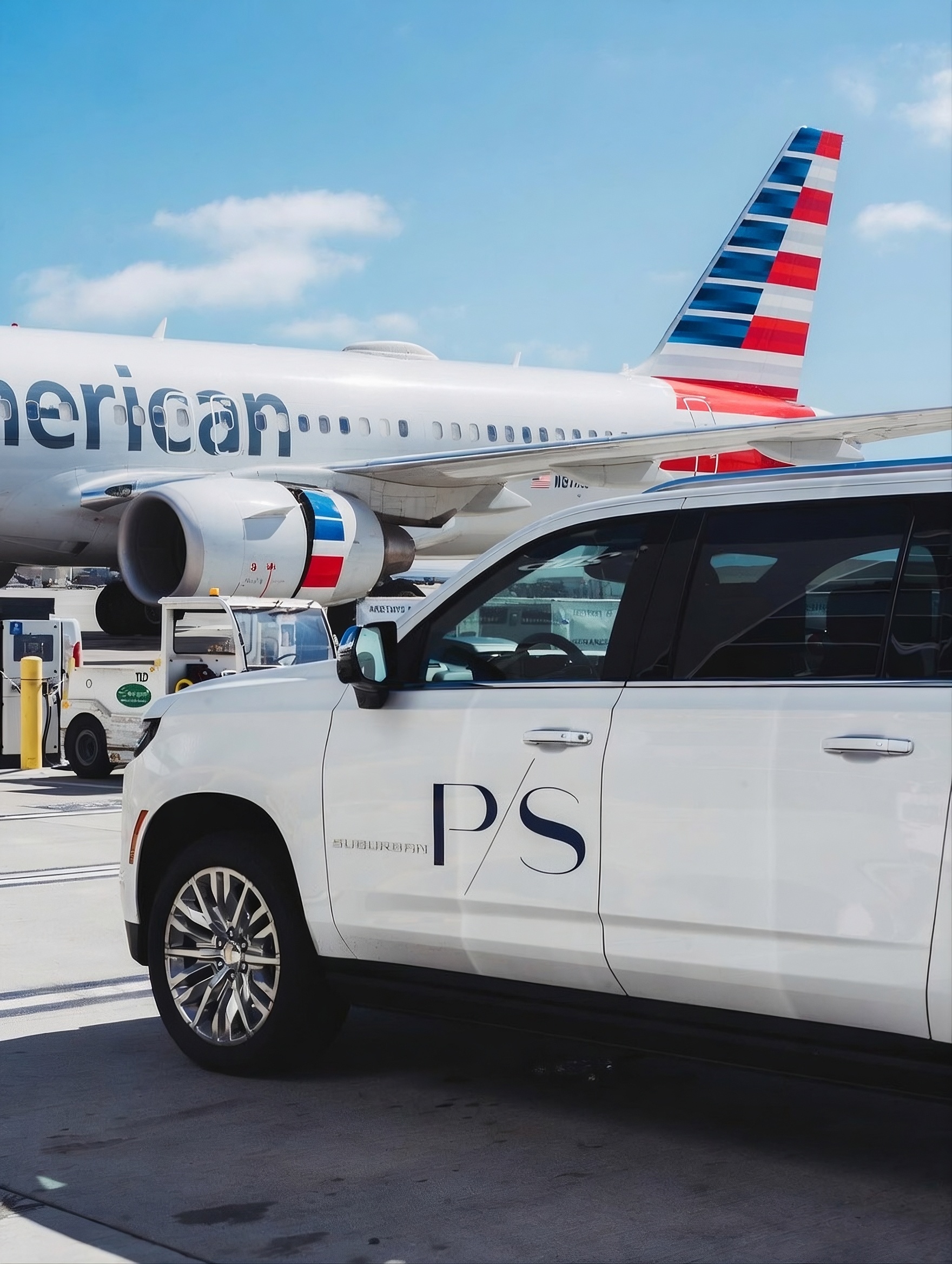
San Francisco International Airport is rolling out a private terminal that delivers the airport lounge experience to the tarmac. Passengers will bypass the congested main terminal entirely, pass through dedicated TSA screening, and ride directly to their aircraft across the airfield. This marks SFO's entry into a luxury trend reshaping how premium flyers move through major U.S. hubs.
The concept, which originated at LAX, now operates at Atlanta's Hartsfield-Jackson, Dallas/Fort Worth, and Miami International. These exclusive facilities cater to first and business class passengers, charter flyers, and elite frequent travelers willing to pay premium fees for the frictionless journey. The model eliminates queuing in crowded terminals, reduces security wait times, and personalizes the airport experience from curb to cabin door.
SFO's adoption reflects how airport operators compete for high-value passengers as traditional terminal infrastructure buckles under capacity constraints. San Francisco's main terminals regularly experience congestion during peak hours, making private alternatives attractive to affluent travelers and business travelers on expense accounts. The dedicated TSA lanes move passengers through security in minutes rather than the 30-45 minute waits common at the main checkpoint during morning departures.
The private terminal concept sits at the intersection of luxury travel and operational efficiency. Airlines and ground handlers use these facilities to streamline boarding for premium passengers, reducing delays and improving on-time performance metrics. For travelers, the experience rivals premium hotel concierge services. Fixed pricing typically ranges from $95 to $200 per trip, depending on flight duration and service tier.
SFO's expansion signals confidence in Bay Area wealth and business travel demand. The airport serves Silicon Valley executives, venture capitalists, and tech workers who view airport time as lost productivity. Private terminals convert that dead time into white-glove service.
Expect this model to proliferate. As congestion wors