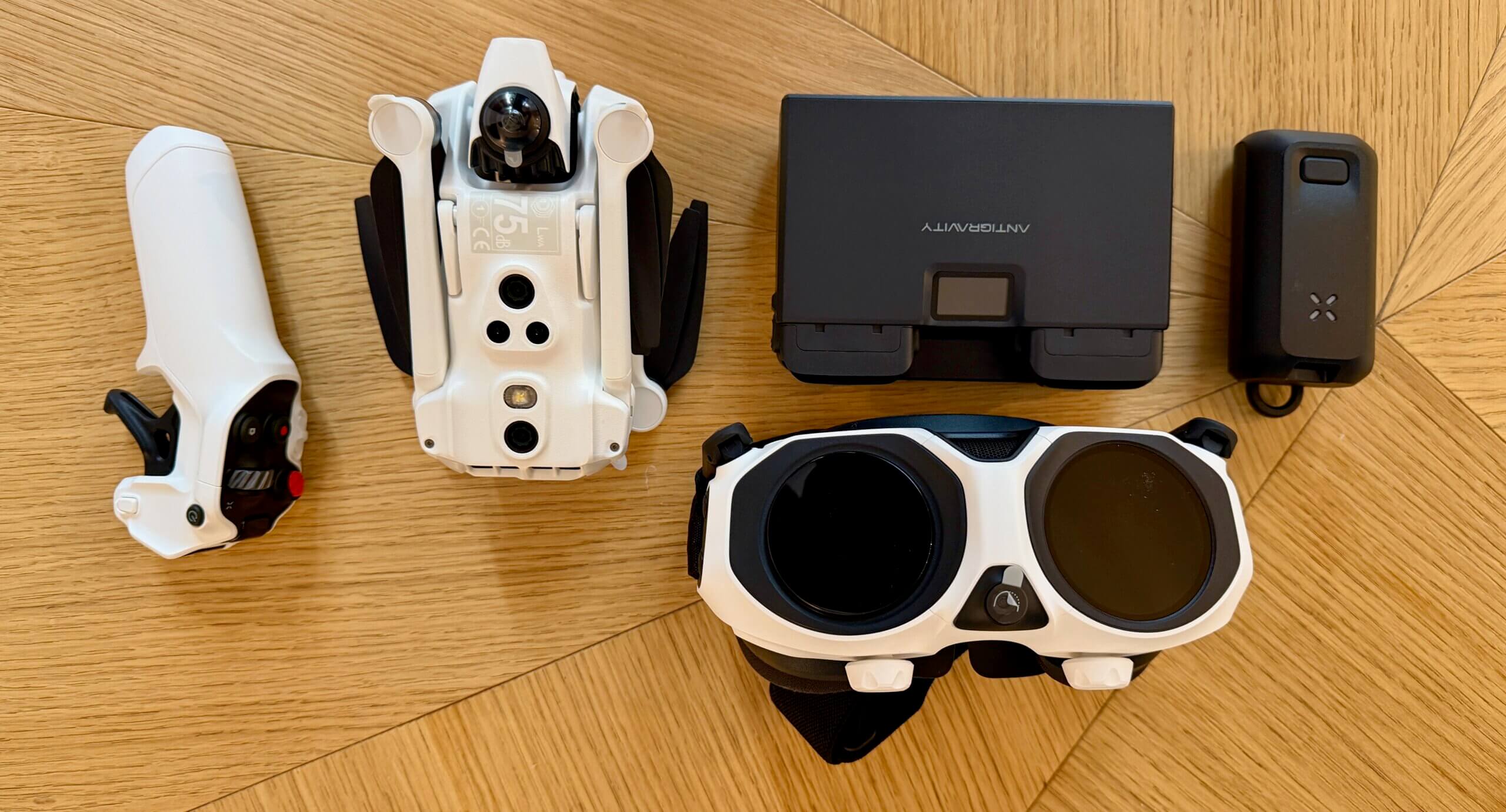
The Antigravity A1 drone, released in late 2025, represents a shift in how travel photographers capture destinations. This compact aerial device enables travelers to shoot sweeping landscape footage and overhead shots that traditional cameras cannot match, from desert highways to coastal cliffs.
Travel drones have exploded in popularity among road-trippers and adventure tourists seeking cinematic content. However, regulatory hurdles persist. The FAA maintains strict airspace rules in the United States, while countries like France, the UK, and Australia enforce their own licensing requirements and no-fly zones near airports and national parks. Travelers must register drones before departure and research local regulations for each destination.
The Antigravity A1 addresses portability concerns that plague heavier models. Compact enough to fit in carry-on luggage, it eliminates the hassle of checking oversized equipment through airports. This matters for travelers hopping between cities in Southeast Asia or Europe who cannot justify dedicated drone bags.
Battery life and wind resistance remain performance considerations. Most modern drones, including competing models from DJI and Autel, offer 20 to 30 minutes of flight time per charge. Windy conditions in mountain passes or coastal areas demand skilled piloting to maintain stable footage.
For budget travelers, drones add production value to social media content and travel blogs without hiring videographers. A single good aerial shot transforms a hotel or hiking trail into sharable content. Professional content creators monetizing YouTube channels or Instagram recognize drones as essential equipment, though they require investment ranging from 500 to 2,000 dollars depending on features.
Insurance and liability present practical concerns. Drone operators should carry travel insurance that covers equipment damage and third-party liability. Some travel insurance policies specifically exclude drone-related claims, requiring separate coverage through specialty providers.
The learning curve remains steep. First-time operators should practice in open spaces before