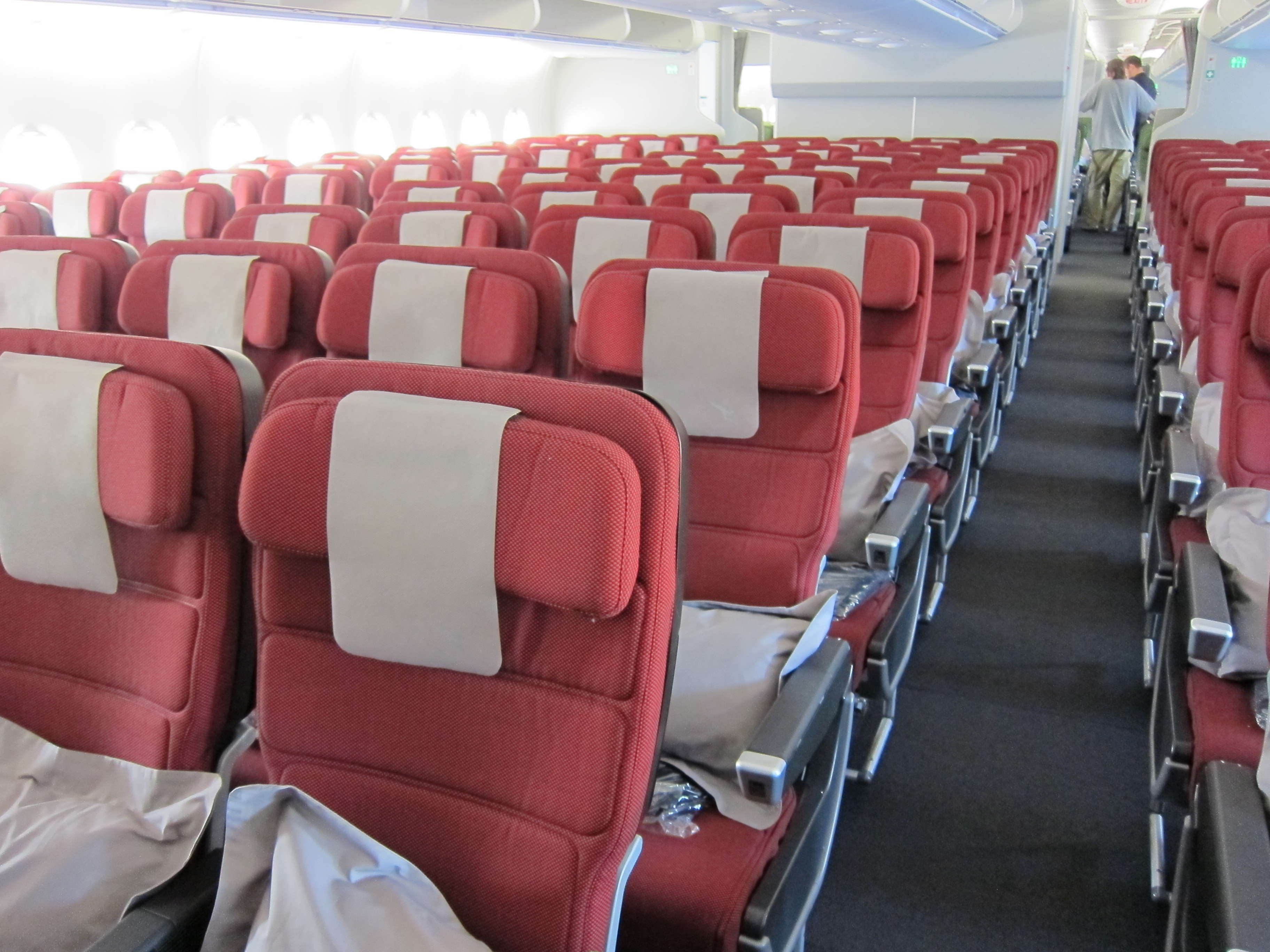
A travel journalist recently questioned the value of paying premium prices for domestic first class after unexpectedly spending three hours in a coach middle seat on American Airlines. Flying from Washington National (DCA) to Dallas/Fort Worth (DFW), the traveler completed two and a half hours of productive work despite the cramped conditions, sparking a reassessment of upgrade spending habits.
The experience highlights a growing conversation among frequent flyers about domestic first class economics. On short-haul routes under three hours, the traditional first class perks—extra legroom, better meals, priority boarding—deliver diminishing returns. A middle seat in economy proved surprisingly functional for work, suggesting that budget-conscious travelers gain little productivity advantage by paying upgrade premiums on flights under three hours.
This revelation arrives as American Airlines continues managing capacity and pricing on domestic routes. The three-hour Washington to Dallas flight falls into the sweet spot where business travelers traditionally justify first class purchases, yet the middle seat experience demonstrated that adequate work output remains achievable in standard seating with proper preparation.
For the typical business traveler, the calculus shifts significantly. First class fares on American between major hubs like DCA and DFW often command 50 to 100 percent premiums over economy. When actual productivity gains prove negligible on flights lasting under three hours, that markup becomes harder to justify. The middle seat discomfort became less relevant than initially expected, particularly for focused work tasks.
The takeaway extends beyond one traveler's experience. Many frequent flyers now prioritize first class upgrades for transcontinental routes, red-eye flights, and connections where rest matters more. On domestic flights under three hours, status-based upgrades via airline loyalty programs make sense, but deliberately purchasing premium cabins increasingly appears unnecessary for the work-focused traveler.
American Airlines and other carriers targeting the frequent business flyer should note this shifting perception. As