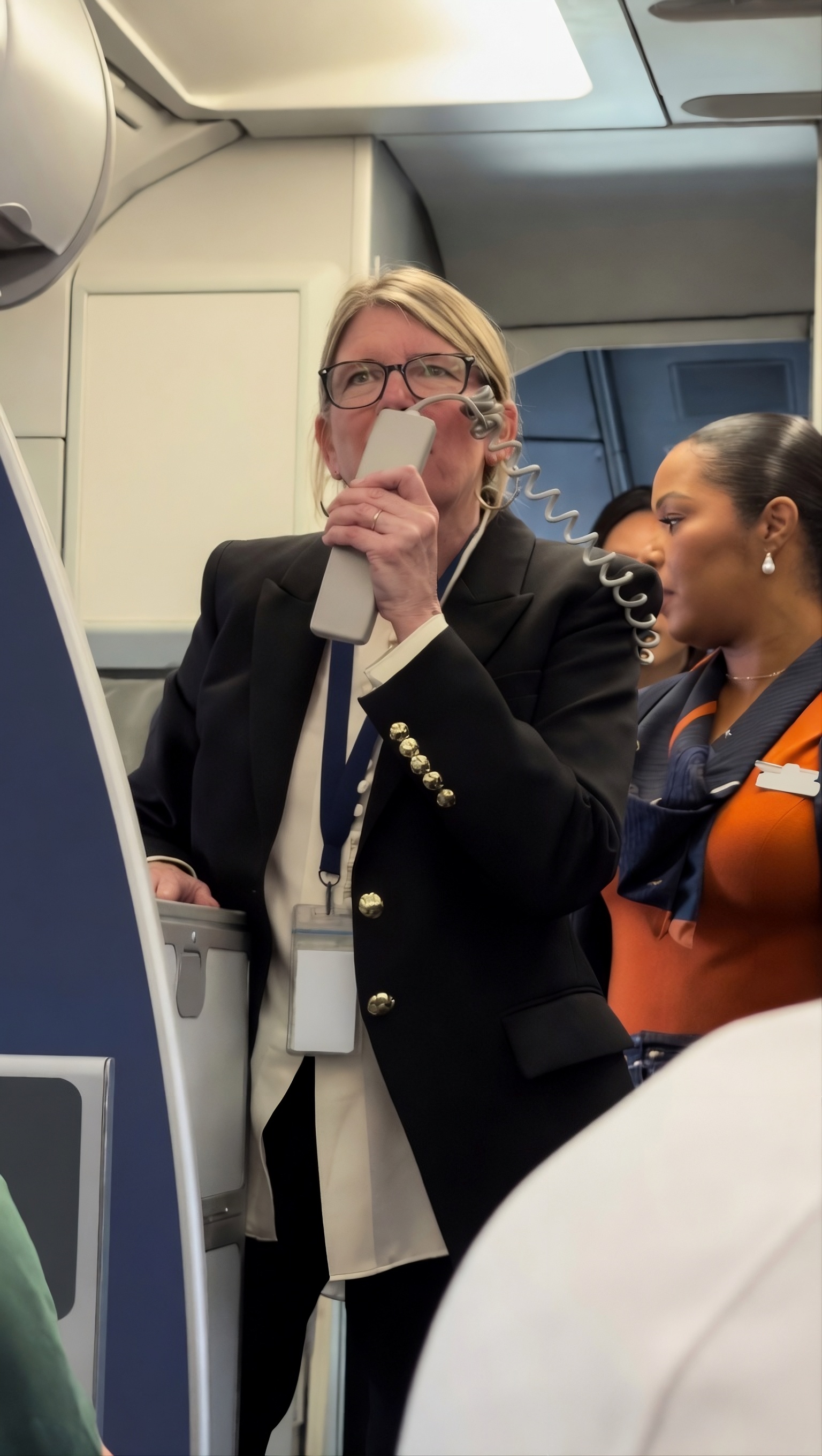
JetBlue's CEO recently entertained passengers aboard a Boston-Fort Lauderdale flight by playing "Seat Bingo" and distributing complimentary tickets to lucky winners. The unconventional in-flight activity caught attention when two of the ticket recipients occupied middle seats, the airline industry's least desirable real estate.
The video has circulated widely on social media, though it appears to be recycled content rather than a recent occurrence. Nonetheless, the gesture reflects JetBlue's attempt to humanize the flying experience and inject levity into what remains a competitive budget-carrier market.
This type of executive visibility aligns with JetBlue's brand positioning as a friendlier alternative to larger legacy carriers. The Fort Lauderdale base, a key hub for JetBlue, serves as a logical backdrop for such passenger engagement initiatives.
For travelers planning Northeast-to-Florida routes, JetBlue's Boston-Fort Lauderdale service remains popular. The low-cost carrier operates roughly six daily flights between these cities, with fares typically ranging from $89 to $200 depending on booking window and travel dates. Direct service eliminates connections that would add hours to the journey.
Middle seat occupants rarely experience perks, making the CEO's gesture noteworthy. Those seats command lower fares precisely because passengers avoid them. JetBlue's messaging through this stunt suggests the airline recognizes passenger frustration with basic economy constraints while maintaining competitive pricing.
The airline continues operating this route with its Airbus A320 and E190 aircraft, both configured with narrow-body cabins that emphasize density. Standard seat pitch measures 32 inches, comparable to other budget carriers like Southwest and Spirit.
For leisure travelers heading to Fort Lauderdale, Miami's broader market, or Caribbean connections via JetBlue's Caribbean gateway, the Boston route