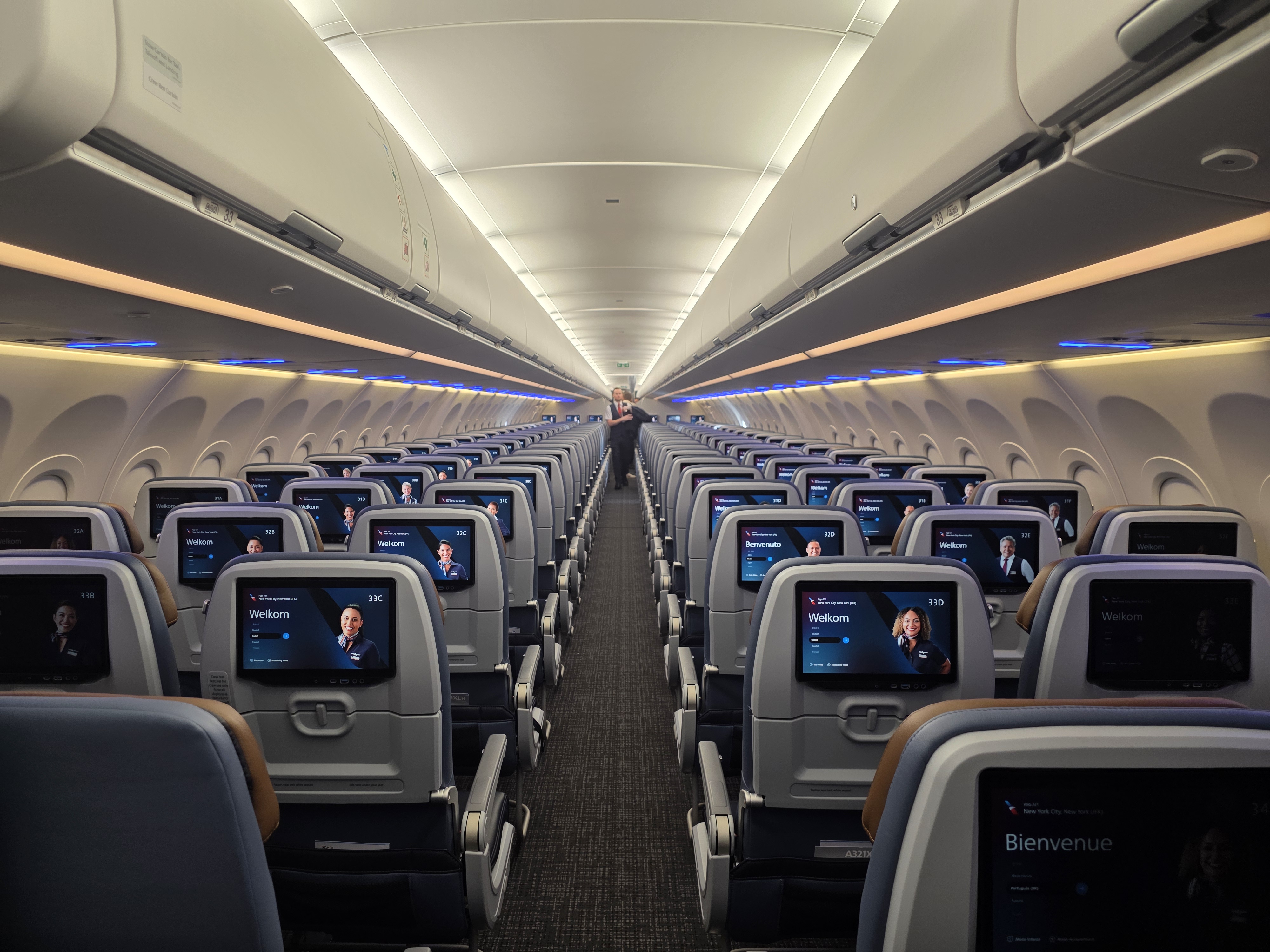
American Airlines rolls out Starlink connectivity to over 500 narrowbody aircraft beginning in 2027, a major upgrade that addresses one of the industry's persistent frustrations with in-flight internet. The Dallas-based carrier joins rivals United Airlines and Delta Air Lines in adopting Elon Musk's satellite technology, responding to customer demands for reliable, fast connectivity at altitude.
The installation targets primarily Airbus narrowbody jets, which operate most domestic routes where connectivity matters most to business travelers and leisure passengers alike. American's current Wi-Fi systems, powered by Intelsat and Viasat, frequently fail during flights, making Starlink's low-latency satellite network a meaningful competitive advantage.
However, the rollout comes with a glaring gap. American's widebody fleet, which operates transcontinental and international long-haul routes where passengers desperately need connectivity, receives no Starlink timeline. These aircraft currently suffer from the worst Wi-Fi performance across the airline. Widebodies like the Boeing 777 and 787 Dreamliner remain stuck with aging systems that struggle during extended flights over oceans and remote regions.
The phased approach reflects American's capital constraints. Full fleet installation would cost hundreds of millions of dollars. By prioritizing narrowbodies first, American captures the biggest operational advantage where most flights occur. Narrowbodies carry roughly 150-180 passengers on routes where competitors like United already offer Starlink service.
This creates an odd incentive structure for travelers. Domestic routes gain premium connectivity while premium-paying business-class passengers on 14-hour flights to London or Tokyo face continued frustration. American hasn't announced when widebody installation begins, leaving long-haul travelers without clarity.
The 2027 timeline also lags competitors. United launched Starlink on select aircraft in 2024, giving it a two