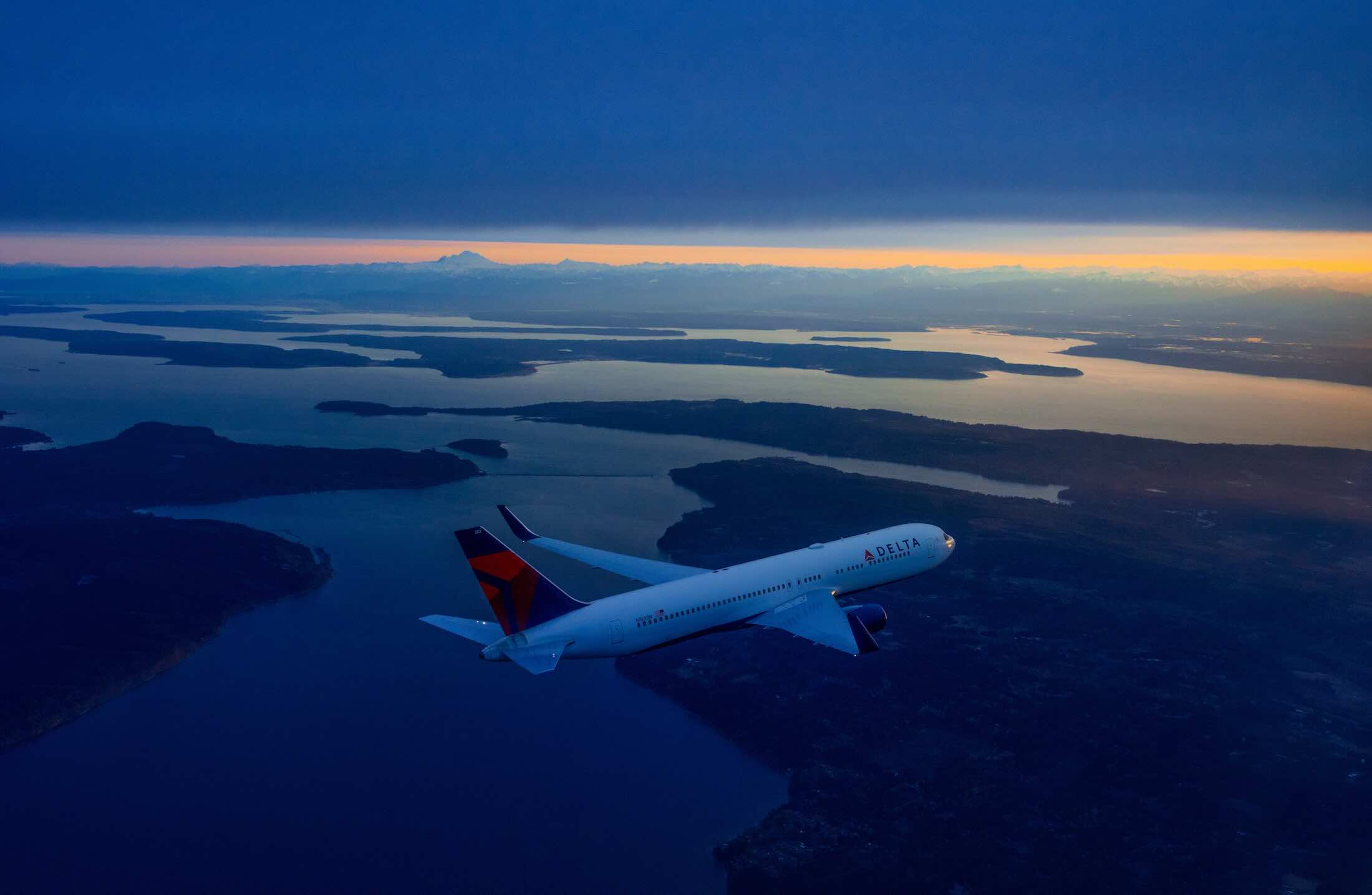
Delta Air Lines maintains its position as one of America's strongest carriers, but recent industry analysis suggests the airline risks complacency despite its operational success. The New York Times profile highlights Delta's strategy of incremental improvements rather than revolutionary changes. This cautious approach has delivered consistent profitability and customer satisfaction metrics that outpace competitors.
Delta's winning formula centers on three pillars: fleet modernization with Boeing 737 MAX and Airbus A220 aircraft, premium cabin expansion targeting high-yield passengers, and operational reliability that produces among the industry's lowest cancellation rates. The carrier consistently ranks above American Airlines, United Airlines, and Southwest Airlines in customer satisfaction surveys.
However, the airline faces a critical question about strategic stagnation. Southwest Airlines offers a cautionary tale. Once an industry darling celebrated for innovation and efficiency, Southwest became trapped in defending its operational model rather than evolving it. The carrier's December 2022 meltdown exposed fatal vulnerabilities in outdated systems. Now Delta must decide whether its current success justifies maintaining the status quo.
Industry observers point to specific concerns. Delta's revenue management systems, while effective, lag behind competitors in personalization technology. The airline's international expansion remains modest compared to United's aggressive growth in transcontinental and transpacific markets. Meanwhile, low-cost carriers like Spirit and Frontier continue gaining leisure travelers with aggressive pricing, even as Delta captures premium segments.
Delta's executive leadership argues refinement beats disruption. The airline has invested billions in customer experience improvements, from seat configurations to gate technologies. Recent partnerships with Amex and expanded lounge networks strengthen loyalty program stickiness. These moves attract affluent travelers willing to pay premium fares.
Yet the travel industry evolves faster than ever. Gen Z leisure travelers increasingly skip legacy carriers entirely, booking Southwest or budget options instead. Business travel demand, Delta's historical stronghold, remains unpredictable post