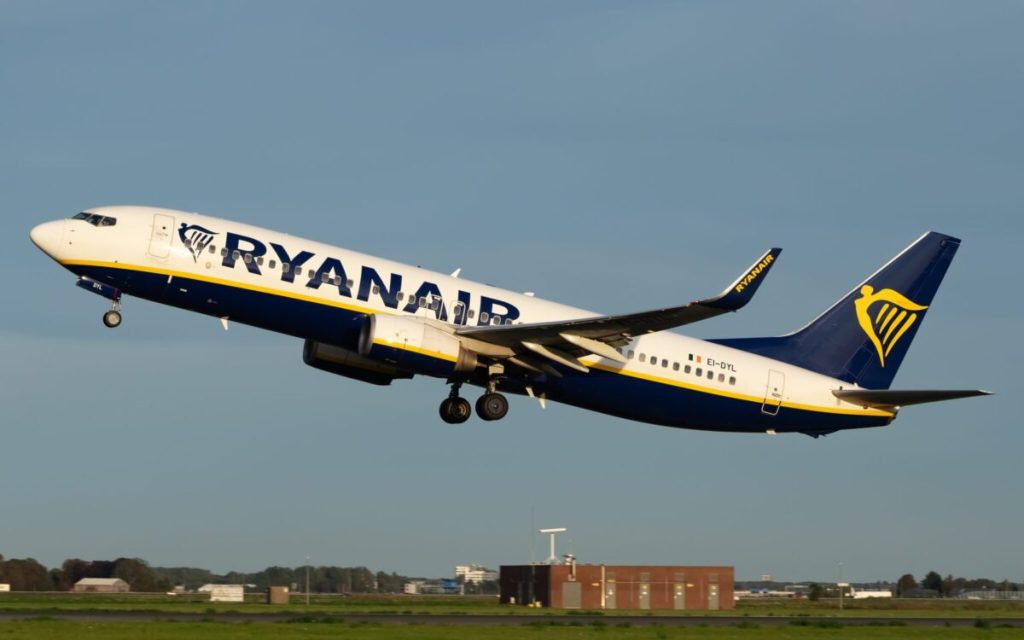
Ryanair has achieved what few airlines manage: complete debt elimination. Chief Executive Michael O'Leary's aggressive cost-cutting strategy and relentless focus on operational efficiency have delivered a debt-free balance sheet, positioning the Dublin-based carrier in a rare position of financial strength as the industry battles rising fuel costs and inflationary pressures.
This accomplishment stands in stark contrast to competitors. Major carriers like American Airlines, United Airlines, and Delta Air Lines carry substantial debt loads accumulated during pandemic-driven bailouts and restructuring. American Airlines alone holds roughly $30 billion in debt. European rivals including Lufthansa and British Airways remain heavily leveraged from pandemic recovery borrowing. Even younger, growth-focused carriers like Norse Atlantic struggle with significant debt obligations as they expand operations.
Ryanair's clean balance sheet reflects decades of financial discipline. The airline operates the industry's lowest-cost model through network optimization, single aircraft-type strategies using Boeing 737s, and aggressive ancillary revenue tactics. O'Leary's willingness to retire aging aircraft, reduce route profitability below certain thresholds, and demand operational excellence has created a fortress balance sheet.
The timing proves crucial. With jet fuel prices volatile and global recession risks mounting, airlines carrying heavy debt face margin compression and refinancing challenges. Ryanair can absorb fuel price spikes and economic slowdowns without threatening debt covenants or seeking emergency financing. The carrier maintains pricing power through its massive European network and low-cost model.
This debt freedom enables strategic flexibility. Ryanair can invest aggressively in fleet expansion, launch new routes competitors cannot afford to launch, and weather industry downturns without existential risk. The airline plans significant growth across Europe, particularly in underserved markets where competitors have retreated due to cost pressures.
For passengers, Ryanair's financial health signals continued low-fare