# Summary
The 2026 FIFA World Cup arrives in North America with matches spread across the United States, Canada, and Mexico, creating opportunities for travelers to combine soccer with coastal escapes. Rather than staying in Kansas City or other inland host cities, savvy travelers can use the tournament as a launchpad for beach vacations.
Mexico's World Cup venues offer the easiest beach access. Guadalajara sits near Pacific resort towns like Puerto Vallarta and Punta Mita, both featuring all-inclusive resorts and world-class surfing. Monterrey provides a gateway to Caribbean beaches along the Riviera Maya, where Cancun, Playa del Carmen, and Tulum deliver turquoise waters and Maya ruins within 300 miles.
The United States venues in Los Angeles, Miami, Dallas, and Seattle connect to distinct coastal experiences. LA fans can catch matches then head to Malibu or San Diego's beaches. Miami matches transition seamlessly into Keys exploration. Dallas travelers can drive six hours to the Texas Gulf Coast's quieter stretches. Seattle's rainy reputation masks proximity to the San Juan Islands and coastal British Columbia.
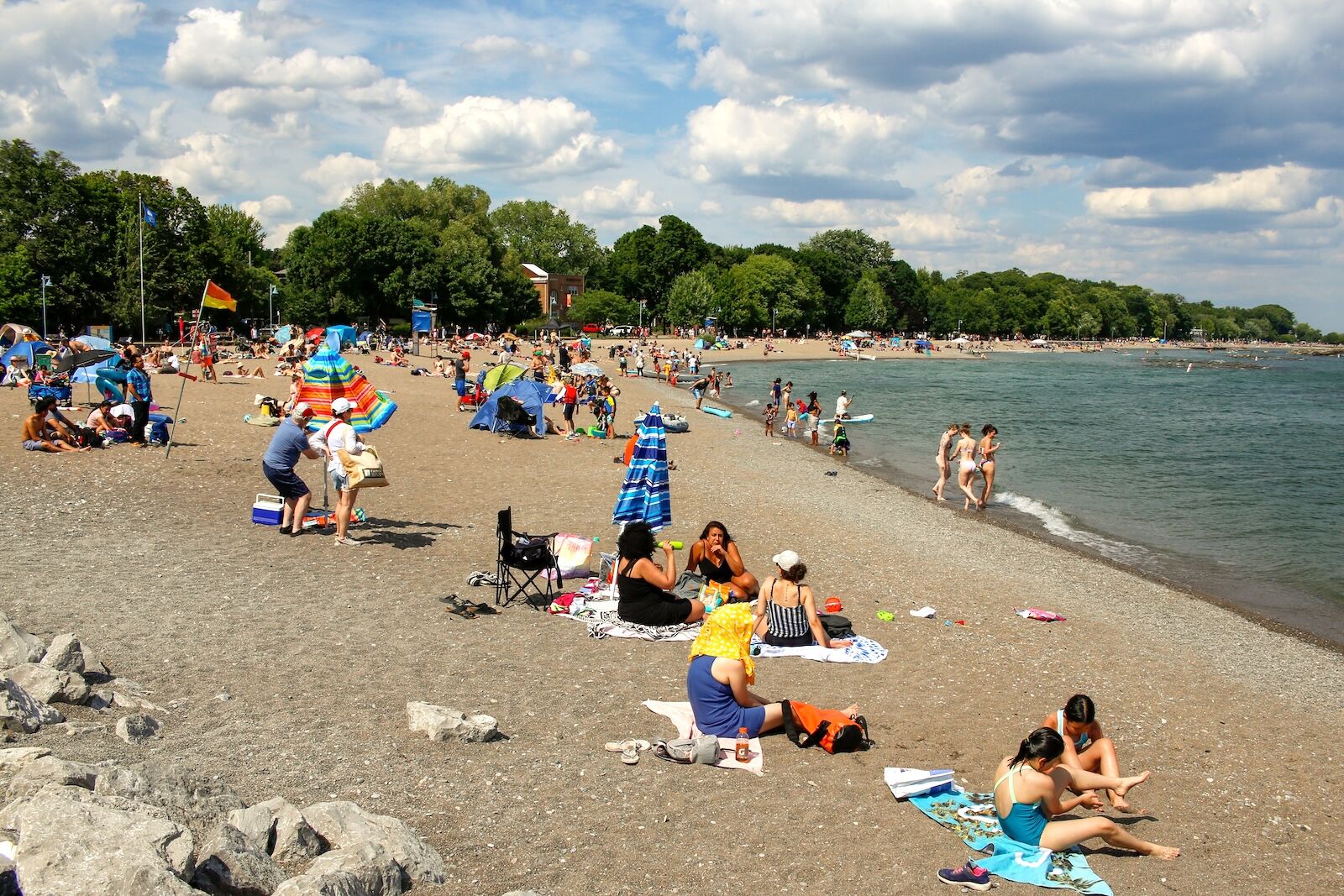
Canadian matches in Toronto and Vancouver open Pacific and Great Lakes options. Vancouver fans enjoy immediate access to Whistler Blackcomb mountains and the British Columbia coastline, while Toronto offers Niagara Falls and Lake Ontario beaches.
Travel costs for World Cup trips fluctuate wildly. Accommodation in match cities inflates 200-300 percent during tournaments, while beach towns 2-4 hours away remain relatively stable. Flying into gateway cities like Mexico City or Los Angeles, then renting cars southbound, typically costs less than booking flights into secondary venues.
Hotels in Playa del Carmen range from 120-250 dollars nightly outside tournament weeks, spiking to 400-600 dollars during matches. Puerto