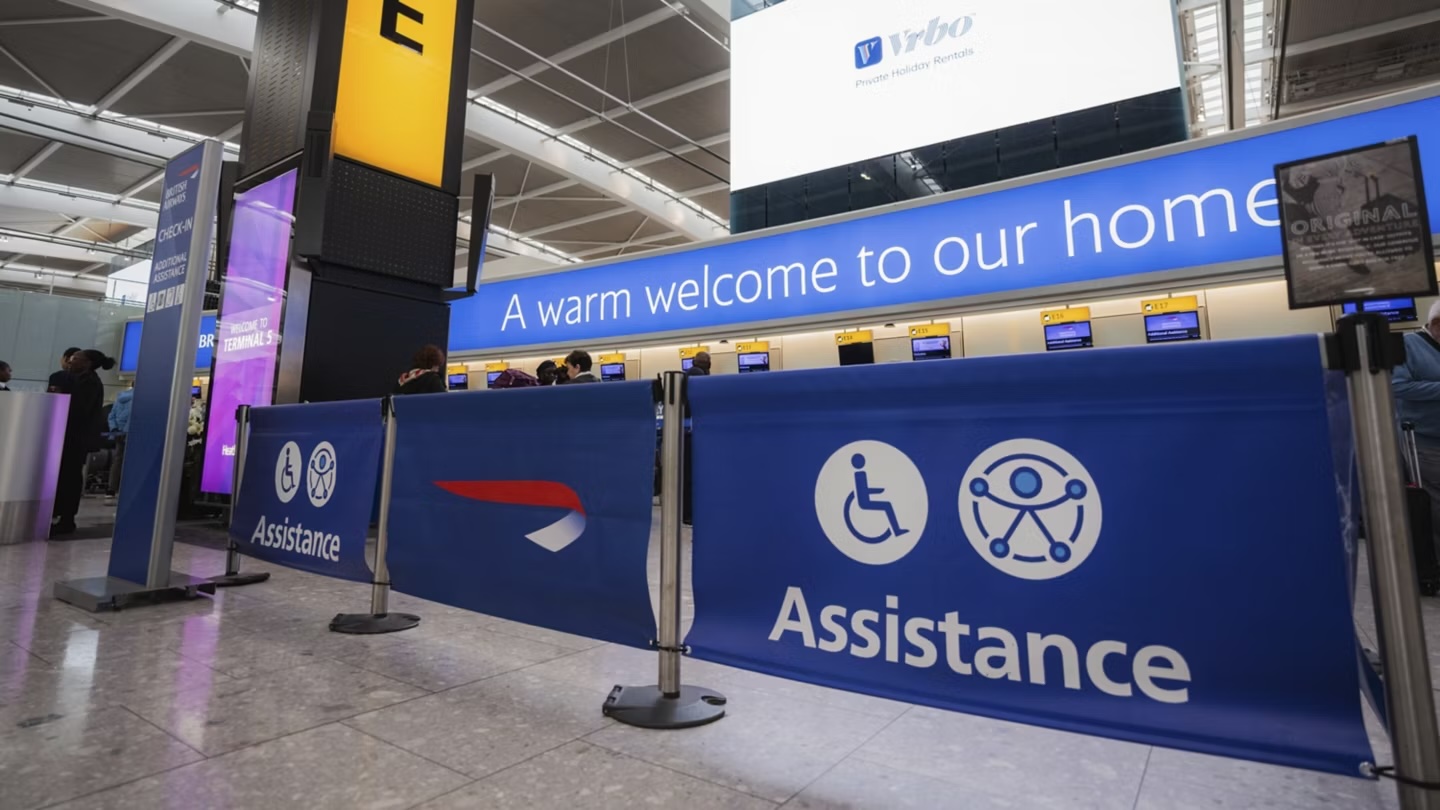
British Airways denied boarding to a 13-year-old boy with Tourette's syndrome at London Gatwick Airport after he repeatedly shouted "bomb" during the check-in process. The airline's decision to refuse him passage reflects heightened airport security protocols, yet raises questions about how carriers balance safety procedures with disability accommodations.
The boy's family had provided documentation of his Tourette's diagnosis before arrival. Security screening had already cleared the passenger for travel. Despite this preparation and clearance, BA staff elected to deny boarding based on the outbursts, which the boy could not control due to his neurological condition.
The incident highlights a growing tension in aviation. Airlines operate under strict post-9/11 security frameworks that treat bomb-related language as an immediate threat. Staff members face pressure to report suspicious behavior without exception. Yet passengers with documented disabilities like Tourette's syndrome have legal protections under disability rights legislation across the UK and Europe.
This case will likely intensify discussions about airline staff training on neurodevelopmental conditions. Other carriers have successfully accommodated passengers with similar diagnoses by pre-notifying crew members and implementing alternative procedures. Emirates and Air France have established protocols specifically for passengers with involuntary vocalizations.
For travelers with Tourette's or similar conditions, the incident underscores the importance of obtaining medical documentation well in advance. Contacting airlines directly before booking allows staff to prepare. Some carriers now offer priority boarding and briefing protocols that prevent security misunderstandings.
British Airways faces potential complaints to the UK Civil Aviation Authority and disability discrimination claims. The airline has not yet issued a public statement addressing whether staff training on disability accommodations will be reviewed. For families planning air travel with neurodevelopmental conditions, this case serves as a cautionary reminder to document diagnoses thoroughly and communicate directly with the airline before departure.