# Chilean Food Culture: The Comfort Foods, Customs, and Cocktails Travelers Should Know
Chile's culinary scene revolves around bread, beer, and mayo. These three staples anchor daily eating across Santiago and beyond, shaping how locals approach meals and hospitality.
Bread dominates Chilean tables. Pan francés, the country's version of a French baguette, appears at breakfast, lunch, and dinner. Bakeries operate on nearly every corner in Santiago and regional towns, and locals buy fresh loaves multiple times daily. The bread culture reflects Spanish colonial heritage mixed with European immigration waves that shaped Chilean baking traditions over centuries.
Mayo defines Chilean condiment culture. The country consumes more mayonnaise per capita than almost anywhere globally. Travelers will encounter mayo on sandwiches, alongside seafood in the coastal regions of Valparaíso and Puerto Montt, and even in unexpected dishes at restaurants from budget-friendly fondas to upscale dining establishments.
Beer consumption runs deep. Cerveza Pils and Cerveza Cristal dominate the market, though craft breweries have exploded in neighborhoods like Bellavista in Santiago and Puerto Varas in the Lake District. Local brewers experiment with IPA and stout varieties influenced by German immigrants who settled in southern Chile during the 1800s.
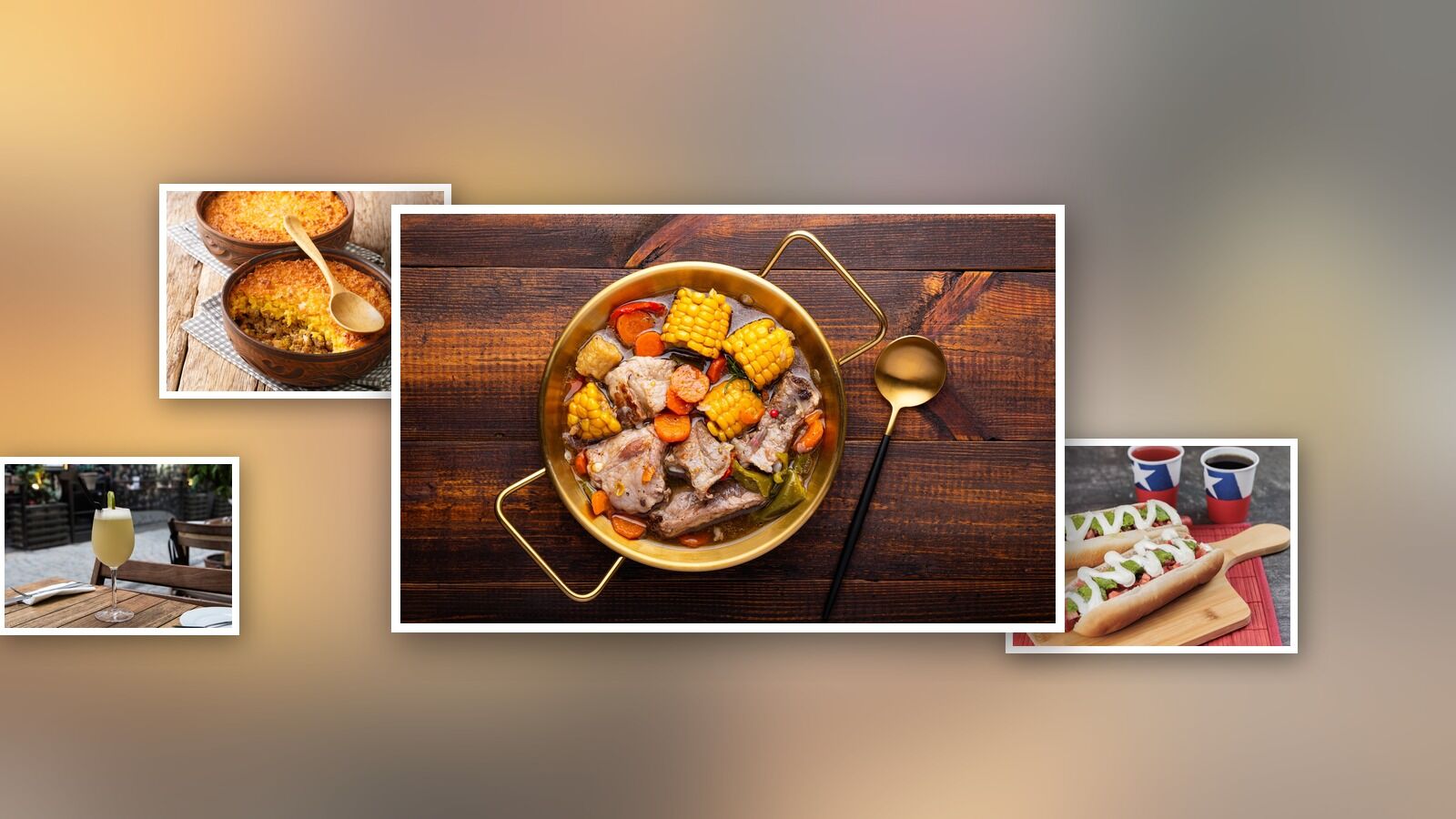
Beyond these foundations, visitors encounter comfort foods tied to seasons and regions. Empanadas stuffed with meat or cheese appear at street stalls across the country. Pastel de choclo, a corn pie with beef filling, shows up at family gatherings and restaurant menus. Caldillo de congrio, a creamy conger eel stew, dominates coastal areas.
Cocktails reflect Chile's wine heritage. Pisco sours utilize pisco brandy produced in northern desert regions near the Peru border. Santiago's