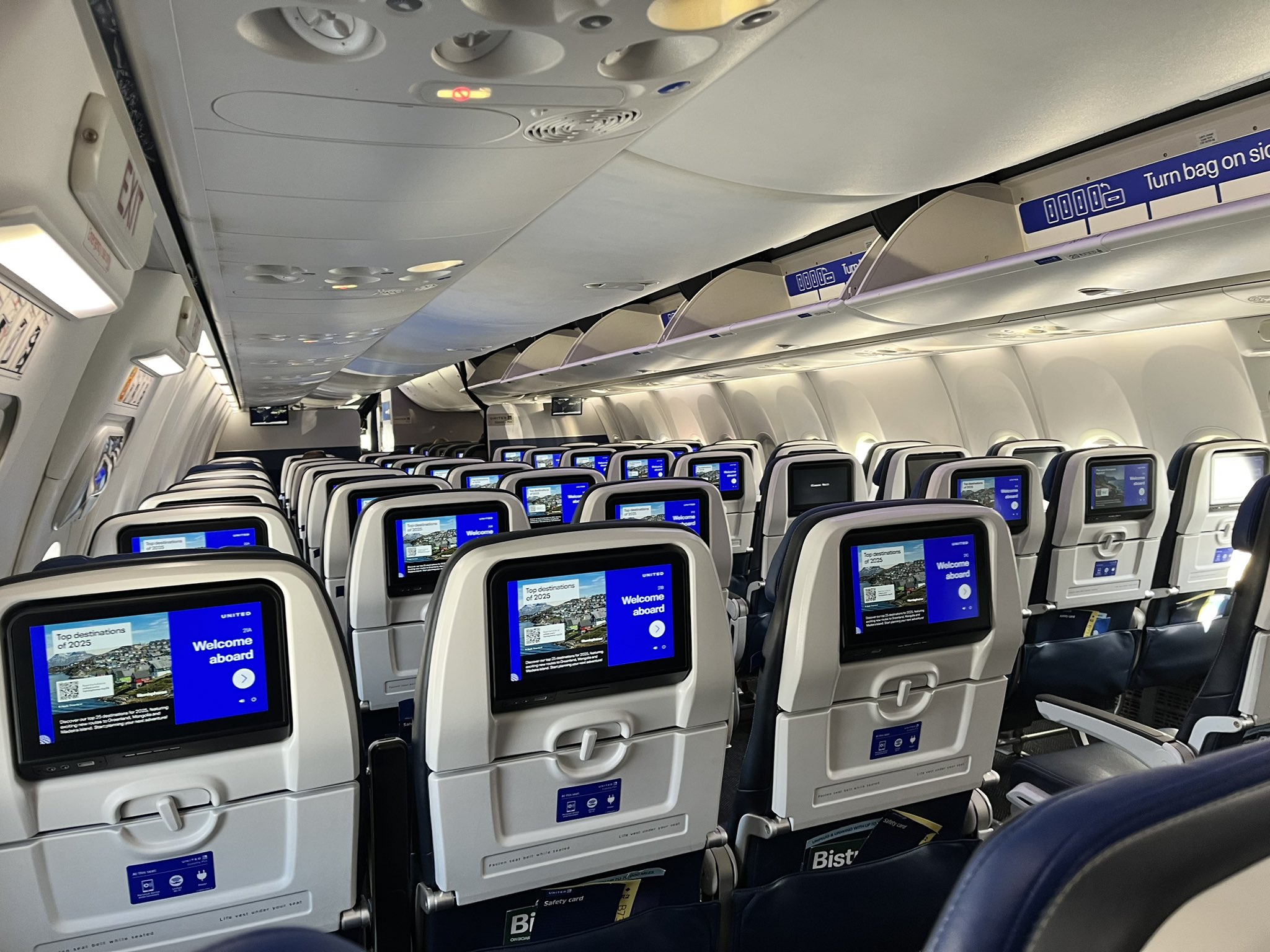
A United Airlines captain on a Newark-Miami flight demanded that a passenger disable an antisemitic Wi-Fi hotspot name within 30 seconds or face police inspection of all passengers' phones upon landing.
The offensive network name itself posed no direct threat. Instead, the captain classified it as a security risk because such provocative content could spark confrontations between passengers at 35,000 feet, potentially disrupting flight safety.
This incident reflects how airlines now treat offensive digital behavior as a legitimate safety concern. United's crew followed protocol by involving the captain, the final authority on any flight. The ultimatum worked. The passenger complied within the timeframe, and the flight continued to Miami without incident.
Airlines including United, Delta, American, and Southwest have tightened policies around passenger conduct in recent years, extending rules beyond physical actions to include digital behavior and online harassment. The Federal Aviation Administration reported more than 5,900 unruly passenger incidents in 2021 alone, with many sparked by minor confrontations that escalated rapidly in pressurized cabin environments.
The captain's decisive 30-second deadline demonstrates how aviation crews now view in-flight conflicts. Any disruption that could create tension among passengers ranks as a security matter. Law enforcement involvement becomes the natural consequence, not an overreaction.
For travelers, this signals a clear boundary. Airlines monitor connected devices on their networks and will act on offensive content. Crew members have authority to intervene before situations deteriorate. Passengers should expect that provocative behavior, even digital-only, invites police involvement upon arrival.
United's response aligns with broader industry practice. Airlines treat their flights as enclosed spaces where safety depends on passenger cooperation and respect. Offensive Wi-Fi hotspot names fall into that category now, alongside verbal harassment and physical threats.
This approach keeps flights calm and focused on getting passengers safely to their destinations. The captain's quick action