Several European cities are implementing car bans to reduce emissions and improve urban livability, reshaping how travelers experience these destinations.
Amsterdam, Netherlands, leads this movement with its long-established car restrictions in the historic city center. Bicycles dominate the streets, with over 500,000 bikes navigating dedicated lanes. Visitors rent bikes from shops throughout the city for roughly 10-15 euros daily. The compact layout means most attractions lie within cycling distance.
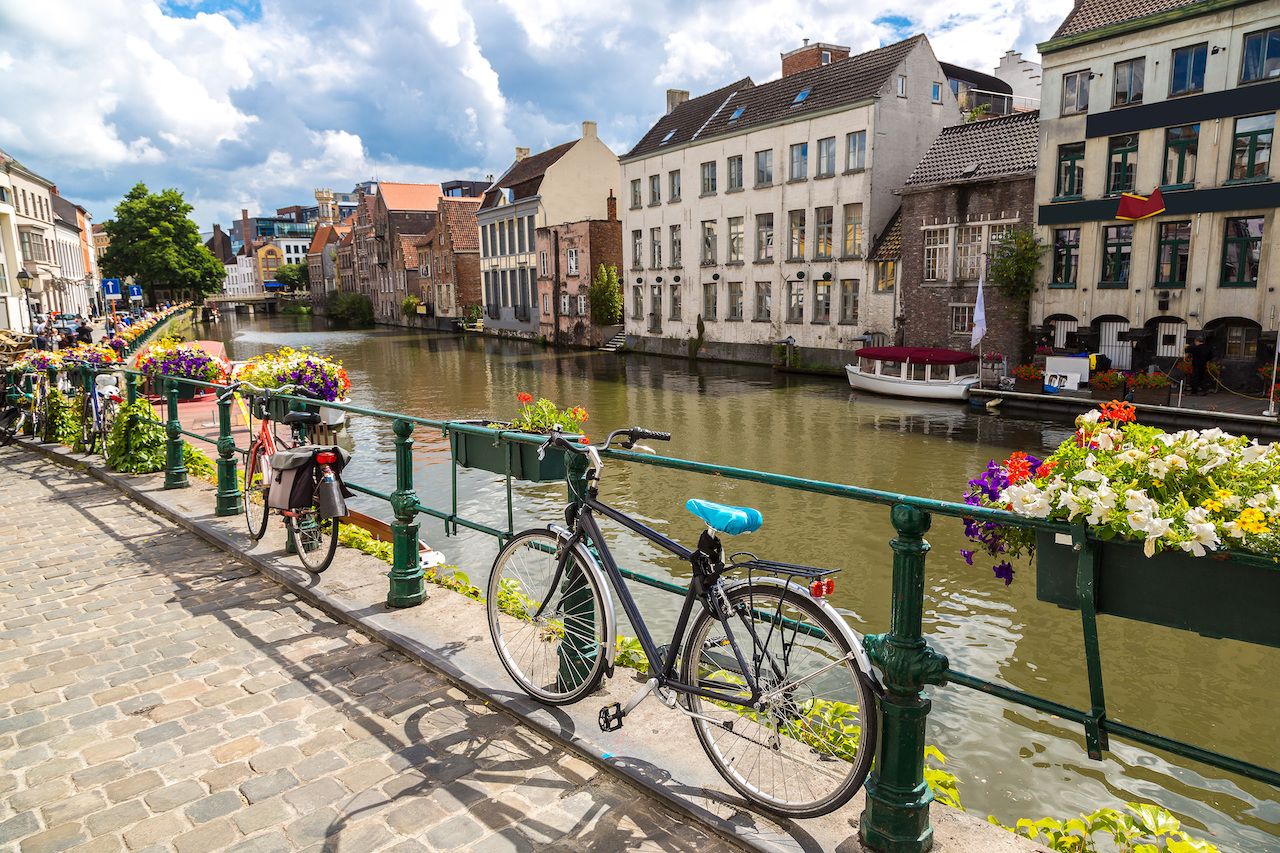
Ghent, Belgium, restricts cars from its medieval core during weekdays, allowing only residents and essential vehicles. The car-free zone spans 250 acres, forcing visitors to walk or cycle past 13th-century architecture and canal-side cafes. Public parking sits at the city's edge, with trams connecting the perimeter to the center.
Oslo, Norway, charges steep congestion fees and restricts diesel vehicles, effectively discouraging car travel downtown. The metro system and electric tram network provide reliable alternatives. Hotels increasingly offer bike rentals as standard amenities.
Paris, France, continues expanding car-free zones, particularly along the Seine. The city invested heavily in cycling infrastructure, with over 1,400 kilometers of bike lanes. The Velib shared bike program offers affordable access.
Barcelona, Spain, blocks cars from expanding neighborhoods through "superblocks," gridded zones where traffic speeds remain capped at 10 kilometers per hour. Residents and authorized vehicles only pass through main arterials.
These bans reshape traveler expectations. Budget increases slightly as bike rentals add 5-20 euros daily, though saved parking fees offset costs. Luggage becomes problematic on bicycles, pushing visitors toward smaller bags or luggage services like Bounce and Stasher.
Hotel selection matters more in car-free cities. Properties near transit hubs or bike rental stations become premium choices. Central locations in