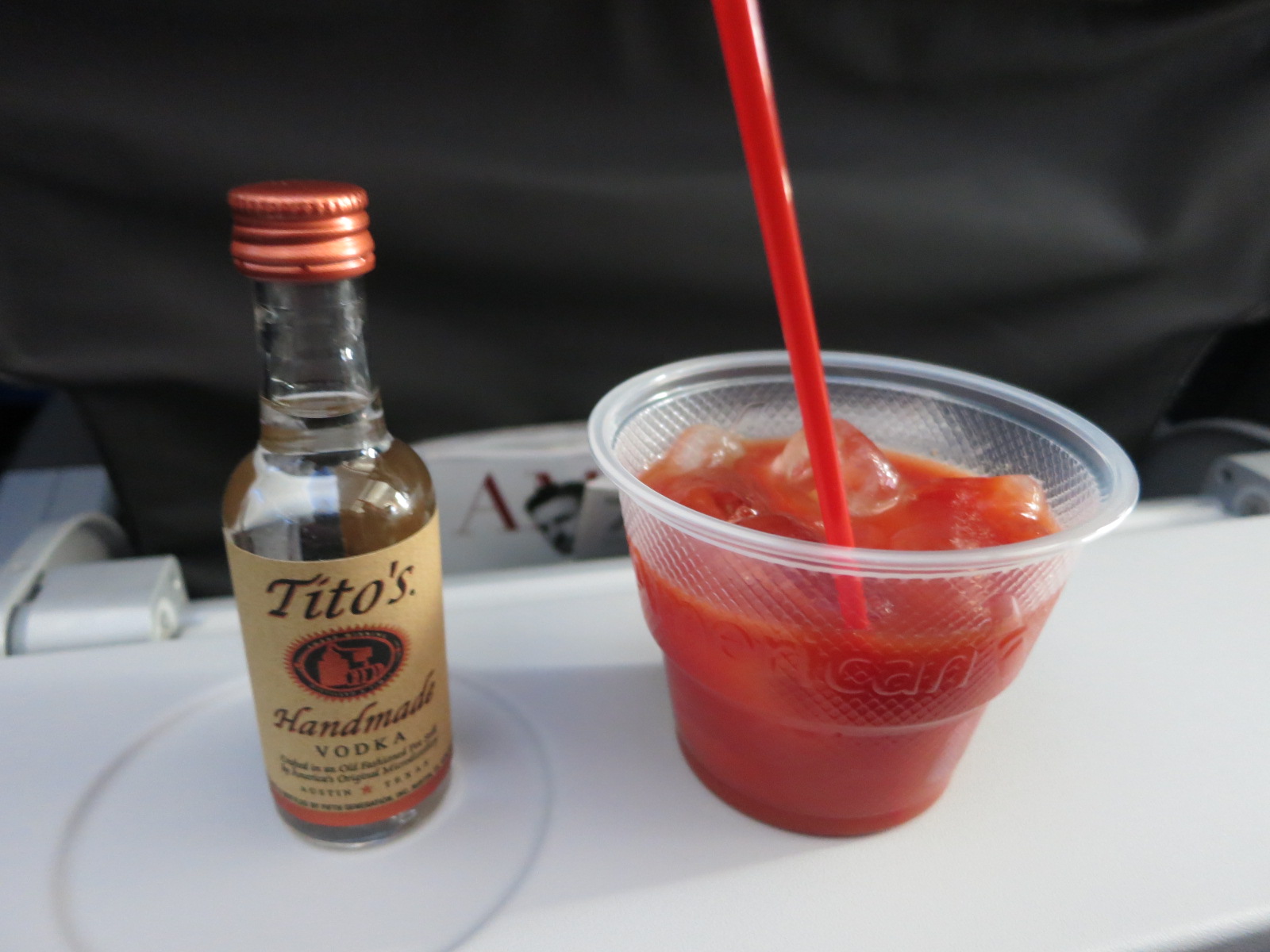
Alaska Airlines faces a $165,000 fine after the FAA determined that intoxicated passengers boarded 11 separate flights. The airline accepted the regulatory findings, but a deeper dispute has emerged over whether first class predeparture drinks bear responsibility for the safety lapses.
The core issue centers on passenger screening at the gate. Alaska Airlines failed to prevent visibly intoxicated travelers from boarding aircraft, raising questions about crew training and boarding procedures rather than drink service itself. The airline's first class beverage program may become a convenient scapegoat, even though the real failure occurred during pre-flight security checks.
First class predeparture drinks, offered on many legacy and premium carriers, have long been a point of contention for safety advocates. These complimentary cocktails served before departure can contribute to passenger intoxication, particularly when combined with lounge access or earlier drinking. However, the Alaska Airlines case demonstrates that the problem runs deeper than what airlines serve in premium cabins.
Gate agents and flight attendants must actively identify intoxicated passengers before boarding. This requires clear training on behavioral indicators, consistent enforcement of policies, and willingness to deny boarding to impaired passengers. Alaska Airlines appears to have fallen short in these areas across 11 separate flights, suggesting systemic weaknesses rather than isolated incidents.
The $165,000 penalty represents a meaningful enforcement action, though relatively modest compared to potential safety risks. Drunk and disruptive passengers create documented hazards for crew and fellow travelers. Recent years have seen a sharp rise in unruly passenger incidents across U.S. carriers.
Alaska Airlines now faces pressure to strengthen its boarding procedures and crew training. The airline may also review first class drink policies, though doing so without addressing the core screening failure would miss the actual problem. Other carriers operating similar premium beverage programs should examine their own gate procedures to ensure intoxicated passengers cannot board.
For travelers,