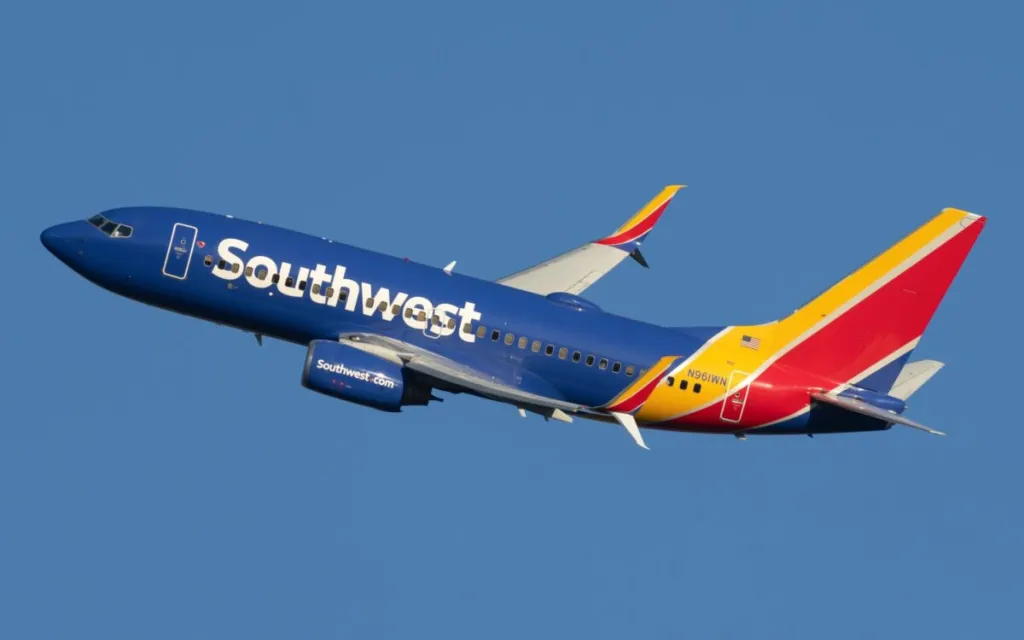
Southwest Airlines charts a dramatic departure from its low-cost, point-to-point model by expanding into long-haul international routes and introducing premium lounge access. CEO Bob Jordan insists the carrier "doesn't have to become Delta," yet the strategic shifts position Southwest increasingly as a full-service competitor to legacy carriers.
The Dallas-based airline already operates transatlantic service to London and Paris from select U.S. hubs. New international expansion targets routes across Europe, the Caribbean, and Mexico. Southwest simultaneously develops airport lounges for premium passengers, breaking from decades of no-frills operations where all travelers shared the same experience.
These moves represent a calculated response to market pressures. Business travelers who once tolerated Southwest's bare-bones cabins now expect amenities competitors offer. The airline's legendary operational efficiency and low fares created loyal leisure travelers, but expanding into premium segments captures higher-margin customers.
Southwest's transformation mirrors industry consolidation patterns. Legacy carriers like Delta, United, and American control most long-haul international capacity and premium segments. Southwest's decision to chase these revenues acknowledges market realities. Premium lounges generate recurring revenue from frequent flyers willing to pay for comfort and quiet spaces.
However, the reinvention carries risks. Southwest's brand identity rests on affordability and no-nonsense service. Adding complexity through international routes, varied cabin configurations, and tiered amenities could dilute what made the airline distinct. Operational challenges mount as international flying demands different crew training, aircraft maintenance, and infrastructure investments.
For travelers, Southwest's evolution offers more choices. Leisure passengers get reliable, affordable domestic service. Business travelers gain a third option between low-cost carriers and premium legacy airlines. International travelers find new options on competitive routes.
The airline industry historically consolidates around full-service models. Southwest's trajectory follows this pattern. Whether the carrier successfully executes this transformation while preserving its