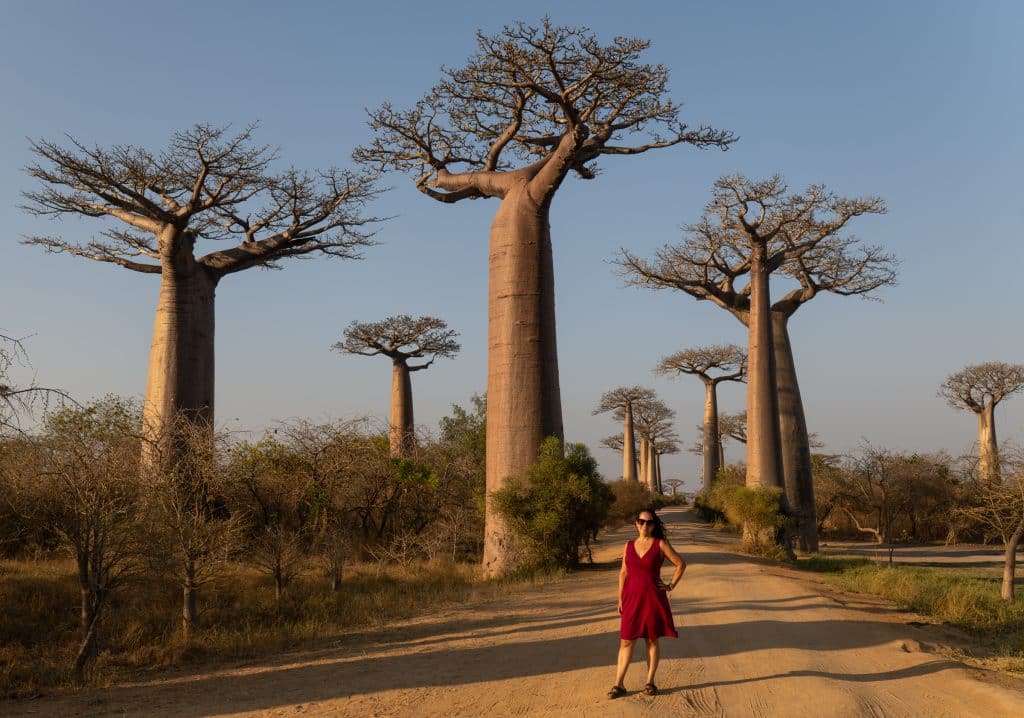
Madagascar delivers raw adventure for travelers seeking untouched destinations far from mainstream tourism circuits. This island nation off the southeast coast of Africa offers landscapes and wildlife found nowhere else on Earth, combined with genuine hospitality from local communities.
The country attracts adventure travelers willing to embrace slower travel and basic infrastructure. Visitors encounter lemurs, chameleons, and baobab forests that define Madagascar's unique ecosystem. The island remains relatively underdeveloped by Western tourism standards, meaning fewer resort chains and packaged tours than competitors like Mauritius or the Seychelles.
Getting there requires planning. Most travelers fly through Antananarivo, Madagascar's capital, using international carriers connecting through hubs in Europe or the Middle East. Once on the island, transportation relies on domestic flights, rough roads, and local guides rather than streamlined tourist infrastructure.
Costs favor budget-conscious travelers. Accommodation ranges from basic guesthouses at $15-30 nightly to mid-range lodges at $50-100. Food expenses stay low when eating local dishes, though imported goods carry premium pricing. Hiring guides for wildlife tours and treks typically runs $30-50 daily.
The dry season from April to October offers optimal conditions for trekking and wildlife viewing. Road conditions deteriorate significantly during wet months. Most visitors spend 10-14 days exploring multiple regions like Isalo National Park, the Avenue of the Baobabs, and the Tsingy de Bemaraha limestone formations.
Travelers should prepare for limited English outside tourist areas, unpredictable electricity, and basic medical facilities. Vaccinations for malaria, typhoid, and hepatitis A receive strong recommendations. Travel insurance covering evacuation proves essential.
Madagascar suits experienced independent travelers and adventure groups more than luxury seekers. The reward justifies the effort: encounters with endemic wildlife, dramatic geology, and authentic cultural experiences largely