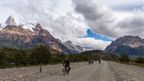
# Cycling the 'End of the World' in Patagonia
Few travellers venture beyond Patagonia's famous hiking trails and glacier viewpoints. A growing number now discover the region on two wheels, pedalling remote routes that reveal landscapes most visitors miss entirely.
The Carretera Austral, a legendary 1,240-kilometre dirt road stretching through Chilean Patagonia, attracts adventurous cyclists seeking raw wilderness. This unpaved route connects tiny towns across marble caves, turquoise lakes, and windswept valleys where gravel crunches beneath tyres and solitude becomes the main attraction. The road demands serious preparation. Mountain bikes handle the terrain better than road bikes. Travellers typically allocate 10-14 days for the full journey, breaking it into manageable daily distances through rugged terrain.
September through April offers the best riding season in Patagonia, when temperatures climb above freezing and daylight stretches long. Guided cycling operators like Explora Patagonia and Nomad Cycles offer supported journeys with accommodation and meals included, though independent travellers find cheaper options by self-guiding and staying in budget hostels in towns like Villa Santa Lucia and Coyhaique.
The experience costs vary significantly. DIY cyclists budget USD 50-100 daily for hostels, food, and supplies. Organized tours run USD 2,500-4,500 for week-long segments with full logistics support. Equipment rental in Puerto Montt or Punta Arenas runs USD 30-50 per day for quality mountain bikes.
What separates this experience from standard Patagonian tourism is access. Cyclists reach remote valleys and homesteads that tour buses never reach. They pace themselves through thundering wind and across suspension bridges spanning turquoise rivers. Towns like Villa O