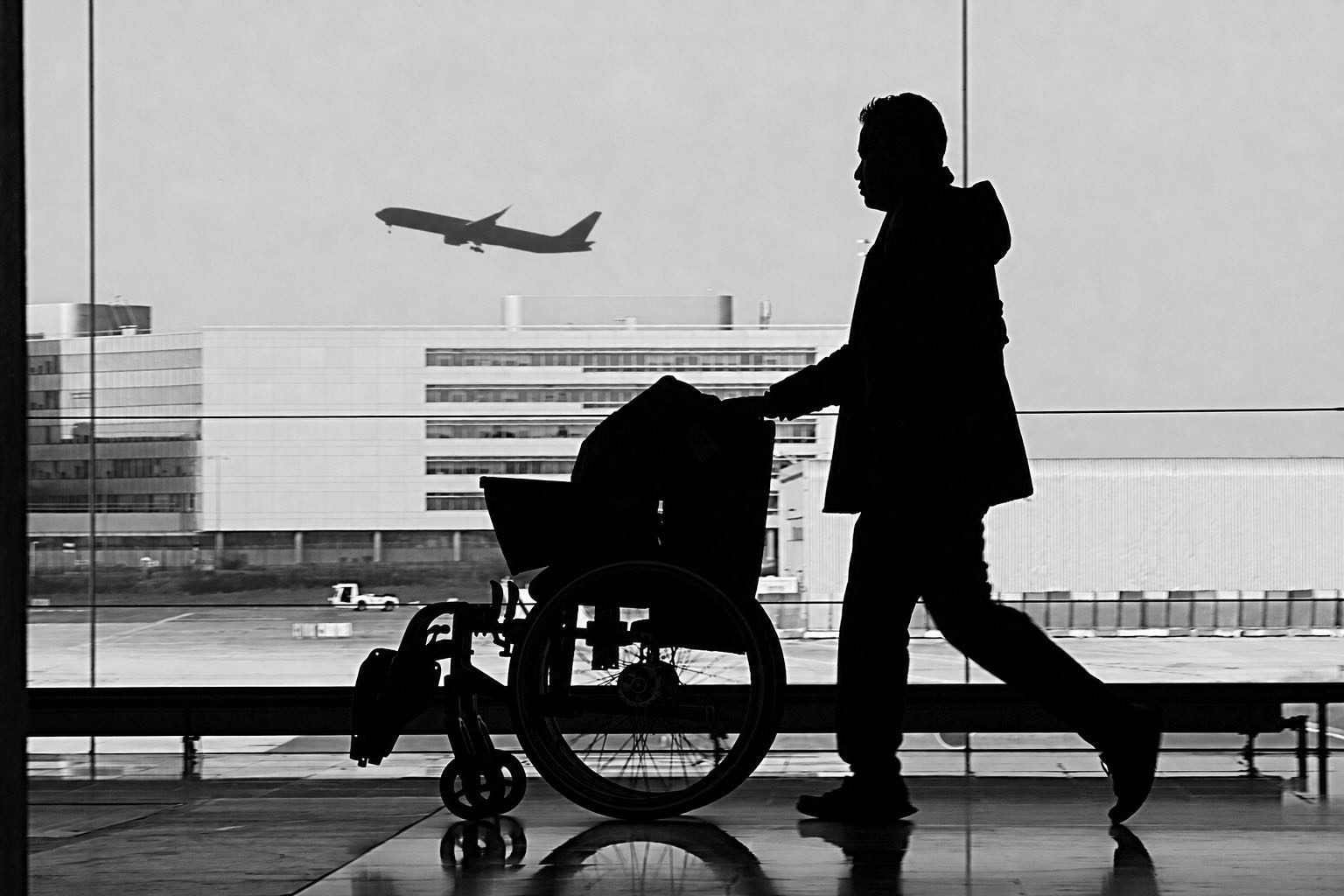
JetBlue CEO Joanna Geraghty has publicly highlighted a growing problem affecting disabled travelers. Some passengers request wheelchair assistance not because they need mobility support, but to gain priority boarding and skip security lines. This abuse puts genuine disabled passengers at a disadvantage and strains airport resources.
The practice undermines fair access for people with legitimate mobility needs. Wheelchair requests have surged at major airports, making it harder for airlines and ground handlers to serve those who genuinely require assistance. The issue reveals a gap between detecting fraudulent requests and maintaining passenger dignity during the screening process.
Airlines face a genuine dilemma. Aggressive verification systems risk offending legitimate disabled passengers or violating privacy laws. Airlines cannot legally demand medical documentation to prove disability under the Americans with Disabilities Act. This legal framework protects privacy but creates loopholes for abuse.
JetBlue and competitors like Delta and Southwest acknowledge the problem lacks an easy solution. Some carriers have tightened internal protocols. Others have increased ground staff training to identify inconsistencies. A few have implemented random verification checks, though these remain controversial.
The issue hits differently across airports. Major hubs like Atlanta's Hartsfield-Jackson, Dallas-Fort Worth, and Los Angeles report the highest rates of wheelchair requests, many flagged as suspicious by experienced ground handlers. These same airports struggle with legitimate accessibility requests going unfulfilled during peak travel times.
Joanna Geraghty's public statement signals that the industry recognizes the problem affects honest travelers. Disabled passengers report longer wait times for wheelchairs and less attentive service when staff assumes requests might be fraudulent. This creates a trust problem nobody wanted.
Airlines exploring solutions include requiring advance wheelchair registration for frequent flyers, flagging accounts with patterns of requests only during peak hours, and partnering with TSA on better screening integration. None offer perfect answers without potentially penalizing legitimate users