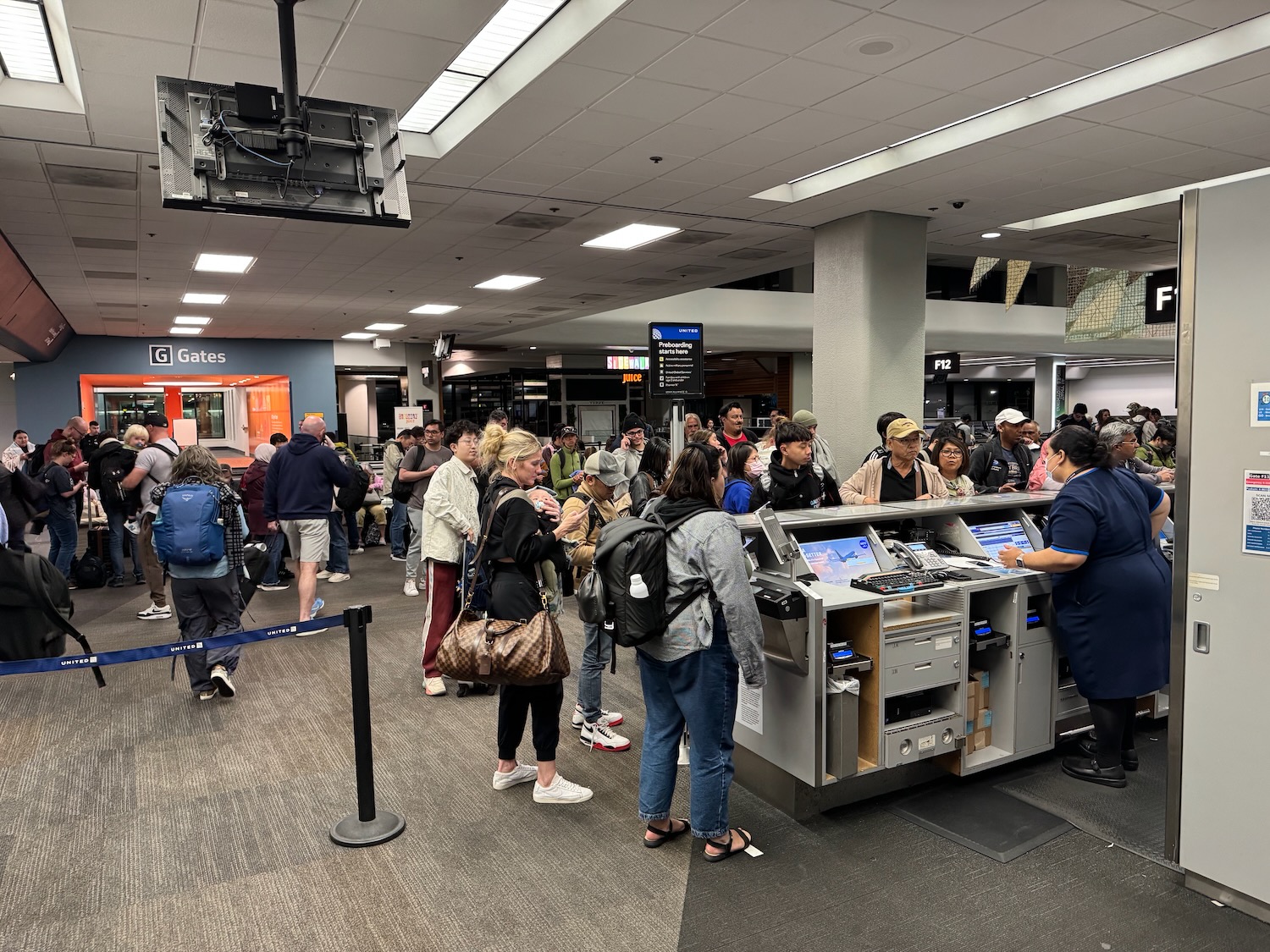
United Airlines' aging 777-200 fleet struck again at San Francisco International Airport, leaving passengers stranded overnight and exposed to the airline's deteriorating operational reliability. Two aircraft equipped with Pratt & Whitney engines experienced mechanical failures on the same night, triggering cascading delays and cancellations that left the journalist sleeping on an airport bench.
The traveler booked a redeye flight from SFO to Chicago O'Hare (ORD) but faced rolling delays as United struggled to manage the dual aircraft breakdowns. The airline failed to secure alternative aircraft or rebook passengers efficiently, forcing many to endure the night in terminals without adequate accommodation or communication about next steps.
This incident underscores a growing problem within United's fleet. The 777-200s, delivered primarily in the late 1990s and early 2000s, represent some of the oldest wide-body jets still in active service. Pratt & Whitney engines on these aircraft have become particularly problematic, generating mechanical issues at higher rates than newer powerplant options. United has been slower than competitors like American and Delta to retire these aging frames, relying on them for long-haul domestic and international routes.
The operational breakdown reflects systemic pressure on legacy carriers managing aging fleets during peak travel periods. Other airlines face similar challenges, but United's maintenance issues have drawn particular scrutiny from travelers and industry observers. Passengers booking United redeyes face elevated risk of disruption compared to flights on carriers with newer aircraft like the 787 Dreamliner or refreshed 777X variants.
For travelers planning cross-country flights, especially overnight routes, routing matters significantly. United's San Francisco hub relies heavily on aging wide-bodies. Passengers concerned about reliability should examine aircraft type before booking, preferring newer jets when available. Alternative carriers operating modern fleets from SFO to Chicago offer better odds against overnight delays