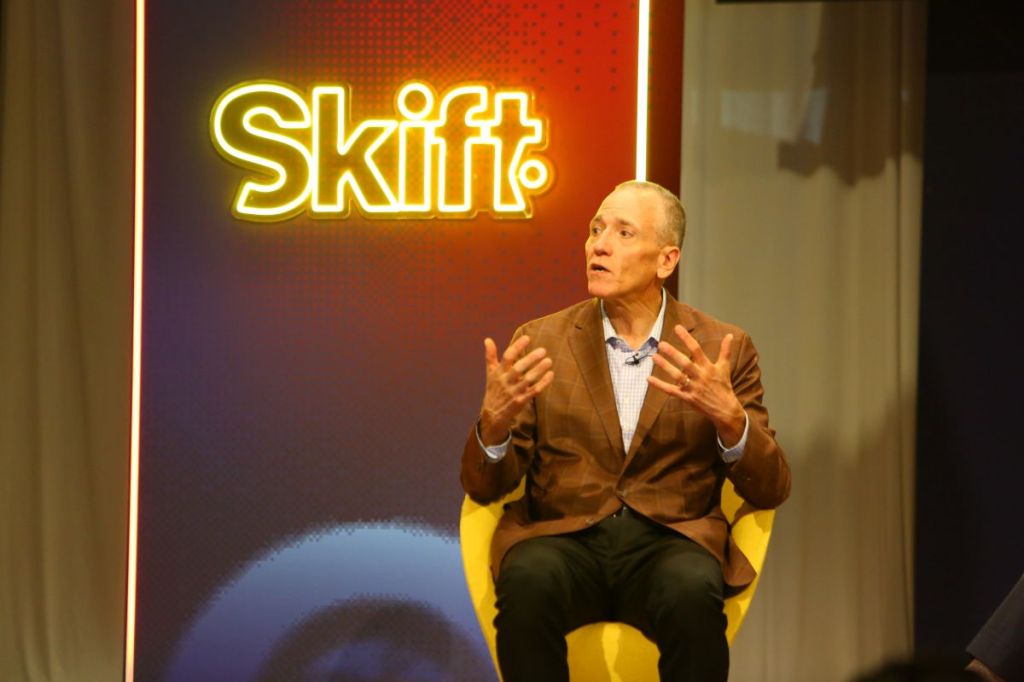
Hilton's Chief Information Officer is steering the hospitality giant through a major artificial intelligence transformation, launching an AI trip planner while wrestling with the substantial infrastructure costs of deploying machine learning across the organization.
The hotel chain's new AI trip planning tool shows early promise. The conversational assistant helps guests design itineraries, book accommodations, and discover experiences. Early testing indicates the tool drives conversion improvements, turning browsing behavior into actual bookings. The system integrates with Hilton's vast property network, pulling real-time availability and pricing data across its portfolio of brands like Waldorf Astoria, Conrad, and DoubleTree.
However, scaling AI comes with hidden expenses. Running advanced language models demands significant computational power, which translates into GPU costs, data infrastructure investments, and continuous model training. The company grapples with what executives call "tokenomics," the economics of processing massive volumes of text through AI systems. Each user interaction consumes tokens, small units of text that accumulate into substantial bills at scale.
Hilton faces a familiar AI dilemma: the technology delivers genuine customer value and revenue lift, but operational expenses climb faster than anticipated. The company must balance building competitive offerings against rising cloud computing and model operation fees. This tension shapes strategy across the hospitality industry as chains invest in personalization tools and guest experience automation.
The broader challenge extends beyond the trip planner. Hilton's leadership examines how AI impacts staffing models, revenue management systems, and backend operations. Deploying cutting-edge technology across thousands of properties worldwide amplifies costs exponentially compared to point solutions.
For travelers, this investment signals more intelligent booking experiences ahead. Hilton's AI planner represents the hospitality industry's shift toward predictive, personalized travel services. However, whether hotels can sustain these innovations while managing costs remains an open question. The race continues between delivering differentiated guest experiences