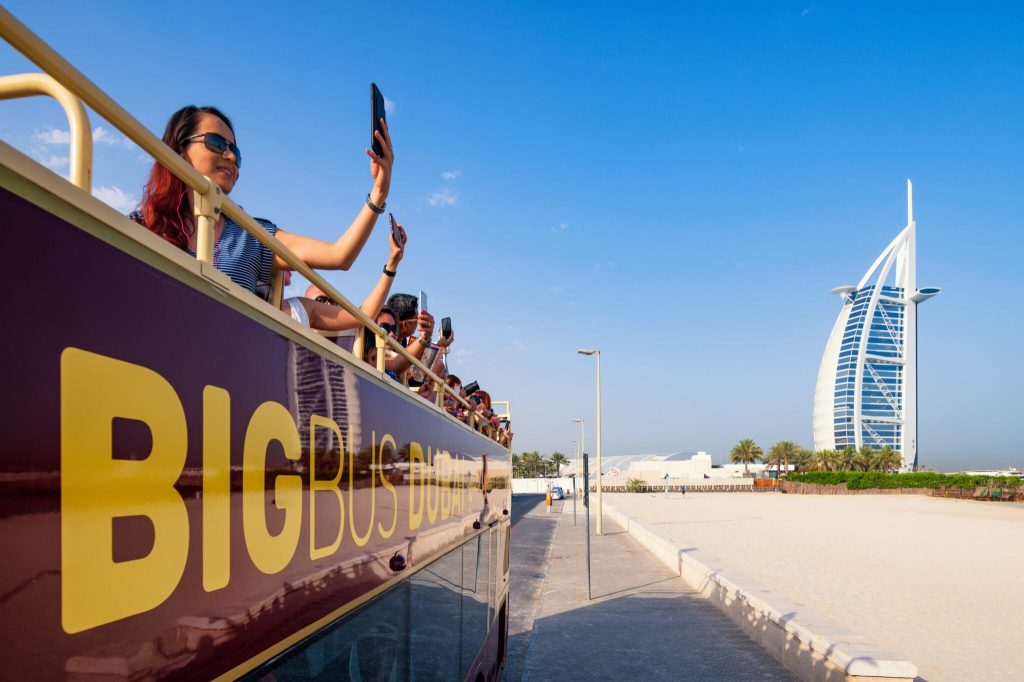
Dubai's tourism industry confronts a sharp downturn as regional tensions ripple through the emirate's visitor economy. The city typically draws affluent travelers from Iran, Iraq, and neighboring Gulf states, but geopolitical instability has chilled demand significantly.
Tourism officials in Dubai have activated aggressive counterstrategies. The emirate is pivoting toward new source markets in Asia and Europe while ramping up marquee events to anchor visitor arrivals. Major conferences, sporting competitions, and cultural festivals now serve as demand generators when traditional regional traffic stalls.
The Burj Khalifa, Palm Jumeirah, and gold souks that define Dubai's luxury appeal remain operational. Hotels like the Atlantis The Royal and Jumeirah operations continue welcoming guests, though occupancy rates have softened compared to pre-tension periods. Airlines including Emirates and flydubai have adjusted capacity on regional routes while maintaining long-haul service to Asia, Europe, and North America.
Dubai's event calendar has become its lifeline. Expo 2020 momentum fades, but the city doubles down on conferences, fashion weeks, yacht shows, and sporting events to fill hotel beds at properties ranging from budget-friendly Deira options to ultra-luxury beachfront resorts. These events attract business travelers and enthusiasts less vulnerable to geopolitical hesitation than leisure visitors from Iran and Iraq.
Tour operators report slower bookings for traditional packages. Visitors from high-spending Iranian demographics, who historically fueled retail and hospitality revenue, have largely vanished from malls and hotels. This absence creates measurable economic pressure across hospitality, retail, and transportation sectors.
Recovery hinges on regional stability. A lasting ceasefire would restore confidence among Gulf and Iranian travelers who view Dubai as a neutral ground for business and leisure. Until that occurs, the emirate relies on its established infrastructure, event portfolio, and ability