# AI Investment in Travel: Stop Counting Labor Savings
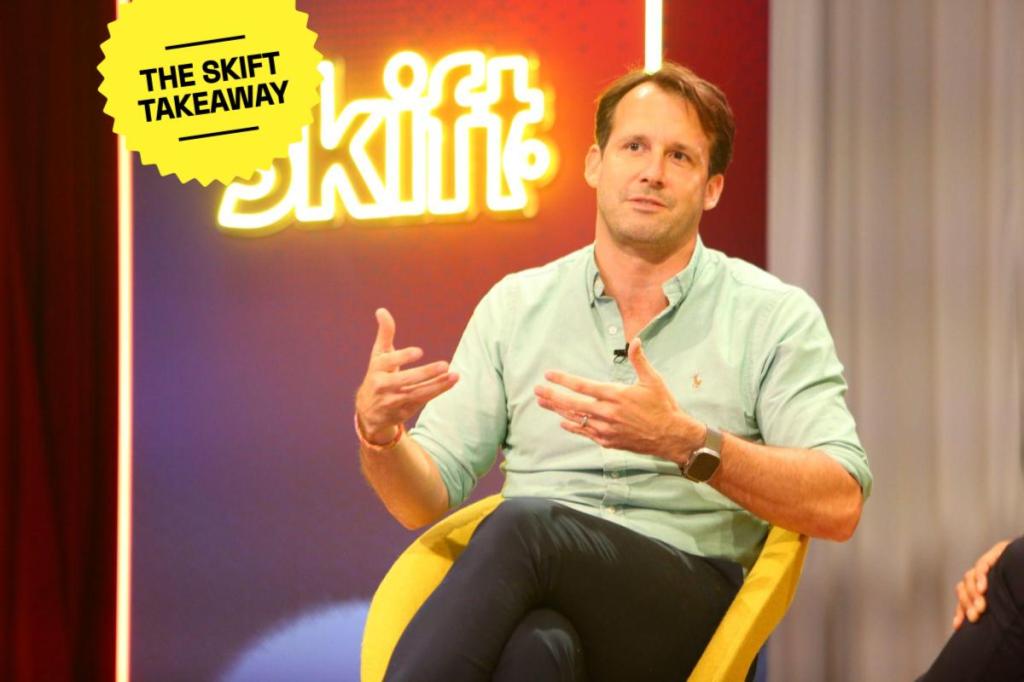
Travel companies investing in artificial intelligence are framing their spending wrong, according to speakers at Skift's Data+AI Summit 2026. The industry obsesses over labor reduction as justification for AI spending. This misses the bigger picture entirely.
The real value proposition sits elsewhere. AI in travel generates new revenue streams rather than just cutting payroll costs. Hotels and tour operators that focus solely on replacing staff overlook opportunities to personalize customer experiences, optimize pricing in real time, and unlock entirely new booking patterns travelers didn't know they wanted.
This reframing matters now. Travel booking platforms face margin pressure from OTAs like Booking.com and Expedia. Airlines watch margins compress as dynamic pricing becomes table stakes. Hotel groups compete on experience differentiation as much as room rates. In this environment, AI that drives incremental revenue captures far more value than AI that eliminates a handful of customer service reps.
The labor savings narrative also sets unrealistic internal expectations. Companies promise boards that AI will slash headcount by 20 percent or 30 percent. When that doesn't materialize, executives blame the technology rather than their own assumptions. AI augments human workers. It doesn't wholesale replace them at the speeds companies imagine.
Travel operators should reshape their AI business cases immediately. Build models around revenue uplift from better personalization, smarter upsells, and optimized inventory management. Train teams to work alongside AI tools rather than wait for automation. Budget for integration and training rather than pure cost reduction.
The message cuts against boardroom intuition. Executives think technology spending justifies itself through headcount reduction. The travel industry learned this painful lesson during the COVID-19 pandemic. Automation investments made sense only when paired with experience improvements that drew customers back. Pure cost-cutting left companies vulnerable when demand returned.
Travel companies attending the summit