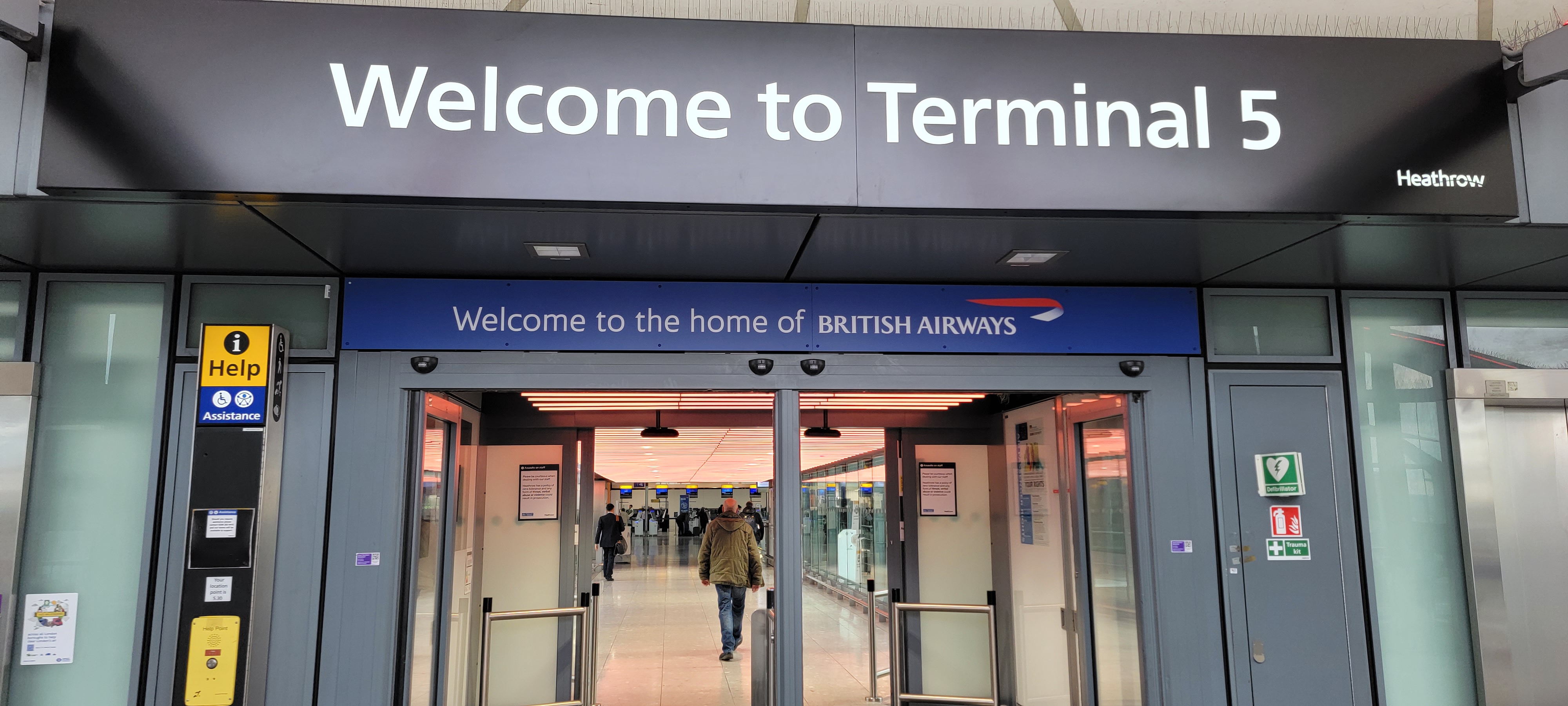
The UK government is developing a shared passenger blacklist that would let airlines coordinate bans across carriers, potentially preventing banned travelers from flying with any airline in the country. The system aims to address genuine safety threats like crew assaults or flight diversions caused by disruptive behavior.
The proposal raises serious concerns about due process and standards. Without clear definitions of what constitutes disruptive behavior, fixed ban durations, or meaningful appeal mechanisms, routine customer-service disputes could escalate into permanent travel bans enforced across the entire airline industry. A passenger banned by British Airways for an argument over baggage fees could find themselves grounded on Ryanair, EasyJet, and every other UK carrier.
Industry supporters argue the blacklist protects crew safety and operational efficiency. Airlines report rising incidents of unruly passengers, and coordinated bans would prevent offenders from simply switching carriers after being banned. The logic mirrors how other transport sectors manage safety threats.
However, the lack of established guardrails creates accountability gaps. Airlines have financial incentives to ban passengers aggressively, removing them from the customer base permanently rather than temporarily. Without independent oversight, transparent criteria, and robust appeal processes, travelers face potential lifetime bans for subjective behavioral assessments.
The proposal also lacks clarity on information sharing. Which incidents trigger blacklist entries. How long bans last. Who determines whether an appeal succeeds. These details matter enormously for travelers whose livelihoods depend on air travel.
The UK should establish this system only with statutory safeguards. Clear behavioral definitions, ban duration limits (such as six months to three years depending on severity), automatic review periods, and independent appeals boards must exist before implementation. The system must distinguish between genuine safety threats and customer disputes.
For travelers, this represents a shift toward collective airline industry control over access to travel. Until proper protections exist, any blacklist risks transforming minor infractions