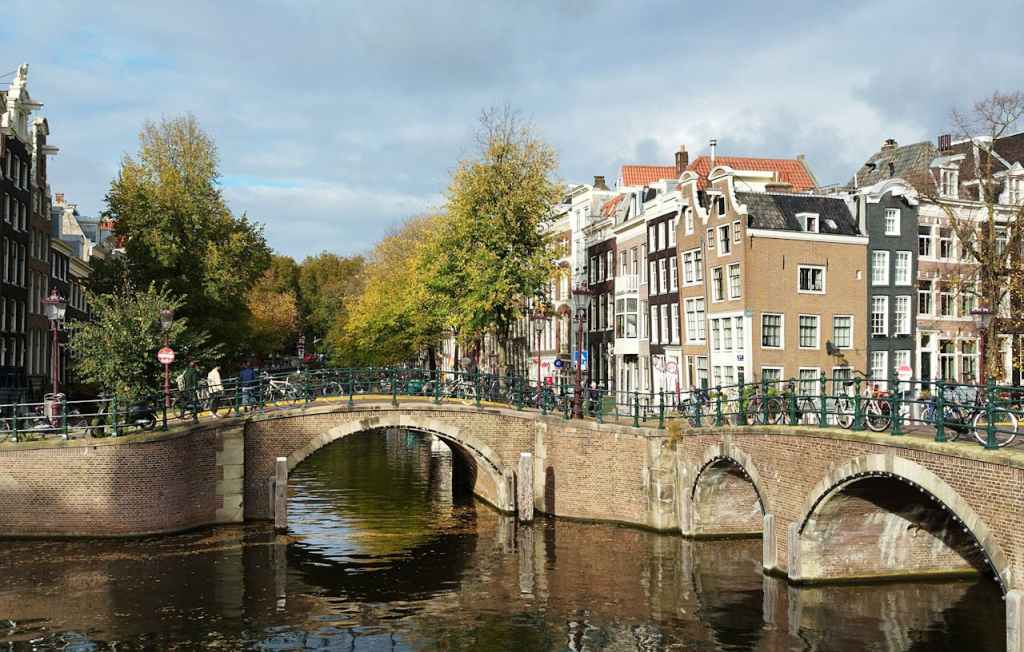
Amsterdam's city council is pushing forward with a controversial plan to hike its tourism tax from the current 12.5% to 20%. The dramatic increase reflects the Dutch capital's struggle with overtourism, a problem that has plagued the city for years as record visitor numbers strain infrastructure, housing, and local quality of life.
The tax applies to hotel stays and short-term rentals across Amsterdam. Currently, visitors already pay significant levies, but city officials argue the higher rate will discourage casual tourism while generating revenue for infrastructure improvements and affordable housing initiatives. Hotels like the Pulitzer Amsterdam and countless Airbnb properties would see their effective costs rise substantially for guests.
The challenge Amsterdam faces is straightforward. While raising taxes generates money, it doesn't necessarily reduce visitor numbers, as the Skift report notes. Budget travelers may simply absorb higher costs, while affluent tourists typically continue regardless of price. The tax hits families and budget-conscious travelers hardest, shifting the burden downward rather than solving the core problem of overcrowding in the city's canal district.
Amsterdam received 19 million visitors in 2023, nearly double its pre-pandemic levels. The city has already implemented numerous restrictions, including limiting cruise ship arrivals and capping short-term rental licenses. A 20% tax represents escalation of this approach, though questions remain about effectiveness.
Airlines serving Amsterdam Schiphol Airport, including KLM and major European carriers, haven't faced capacity restrictions. Without coordinated efforts to limit flight capacity or visitor arrivals through quotas, the tax may prove insufficient.
Other European cities watching closely include Barcelona, Venice, and Dubrovnik, all grappling with similar overtourism pressures. Venice's recent booking system and Barcelona's ongoing restrictions offer alternative models. Amsterdam's gamble suggests that financial disincentives alone won't solve structural tourism problems in historic European cities.