Madagascar delivers raw adventure for travelers seeking untouched destinations beyond mainstream tourist circuits. The island nation offers singular landscapes and wildlife found nowhere else on Earth, attracting explorers willing to navigate less developed infrastructure for authentic experiences.
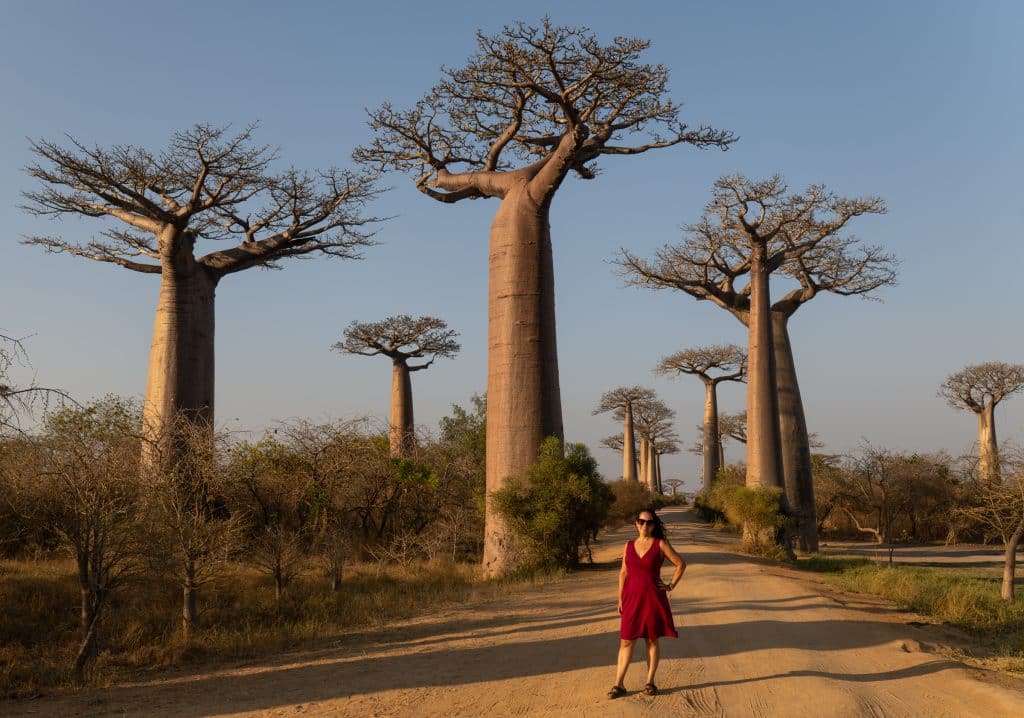
The island's appeal lies in its isolation. Lemurs, chameleons, and baobab forests define Madagascar's ecological uniqueness. Visitors encounter ecosystems shaped by millions of years of separation from mainland Africa, creating endemic species at every turn. The Avenue of the Baobabs near Menabe features ancient trees that dwarf travelers. Ranomafana National Park protects rainforests teeming with rare wildlife. The Tsingy de Bemaraha's razor-sharp limestone formations create otherworldly red landscapes impossible to replicate elsewhere.
Local communities remain genuinely welcoming despite minimal tourism infrastructure. Accommodations range from basic guesthouses to mid-range eco-lodges like Vakona Forest Lodge and Mantadia Lodge near Andasibe. Budget travelers find rooms for 15-25 dollars nightly in smaller towns. Mid-range options run 50-100 dollars. International flights typically connect through Antananarivo, Madagascar's capital, from major African hubs or European cities.
Transportation requires patience. Domestic flights between cities like Antananarivo, Toliara, and Antalaha operate through Air Madagascar, the national carrier. Road travel takes considerable time due to unpaved routes outside main towns. Four-wheel-drive vehicles and local guides become essential for reaching remote areas.
Getting there costs between 600-1200 dollars from North America or Europe. Travel during the dry season, May through September, offers optimal conditions. The rainy season brings cyclones and muddy terrain.
Madagascar remains genuinely underdeveloped for tourism compared to Kenya or Tanzania. Travelers encounter basic facilities, limited English,