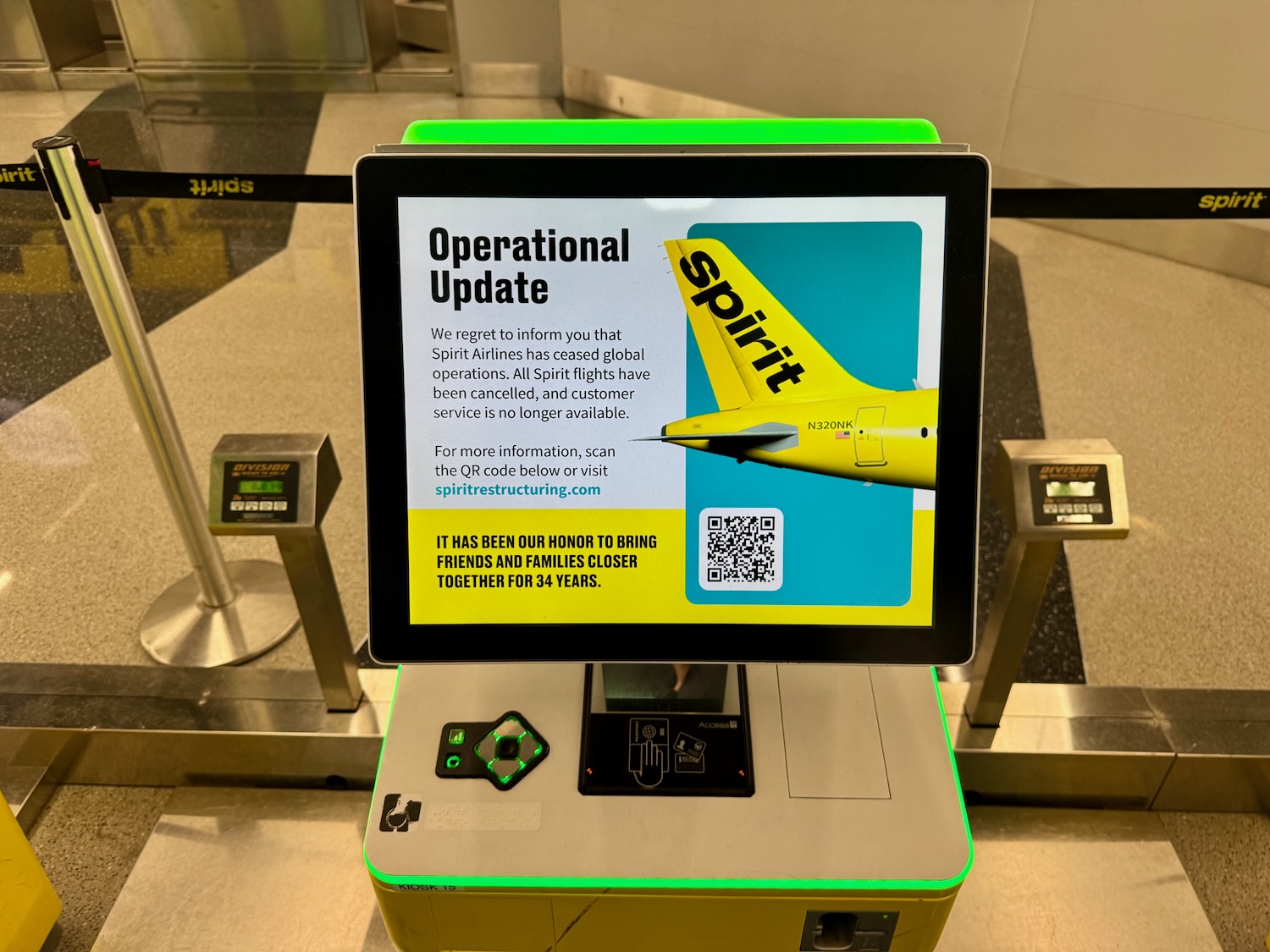
Spirit Airlines faces potential liquidation after years of financial turmoil, but a grassroots movement now pushes an unconventional rescue: community ownership. The campaign seeks to crowdfund a takeover, rallying everyday travelers, former employees, and airline loyalists to buy Spirit and relaunch it as a cooperative enterprise called "Spirit 2.0."
The ultra-low-cost carrier has hemorrhaged money for years, burning through cash reserves and bleeding passengers to competitors like Southwest Airlines and Frontier Airlines. Spirit filed for bankruptcy protection in November 2024 after failed merger attempts and mounting debt from aircraft orders it could not afford. The airline once dominated the budget-travel space with fares starting at $19, attracting price-conscious passengers willing to accept bare-bones service and abundant fees.
This community-ownership model represents a radical departure from typical airline rescues. When distressed carriers fail, private equity firms or established airlines typically acquire their assets, strip costs, and integrate operations. United Airlines, JetBlue Airways, and Frontier have all circled Spirit's remains. A grassroots buyout would instead create a mutually owned airline governed by stakeholders rather than distant investors chasing quarterly returns.
The odds remain grim. Launching or rescuing an airline requires billions in capital, regulatory approval from the Federal Aviation Administration, and sophisticated operational expertise. The Spirit brand carries baggage from years of service complaints and frustration over ancillary fees. Potential investors would need confidence in management and a viable route network.
Yet the sentiment resonates. Spirit employed thousands of workers across its network. Its ultra-low fares made air travel accessible to budget-conscious families, students, and leisure travelers who might otherwise drive or skip trips entirely. The campaign taps nostalgia for the airline's early days and recognition that some travel infrastructure serves communities better under different ownership models.
Whether this crowdfunded dream