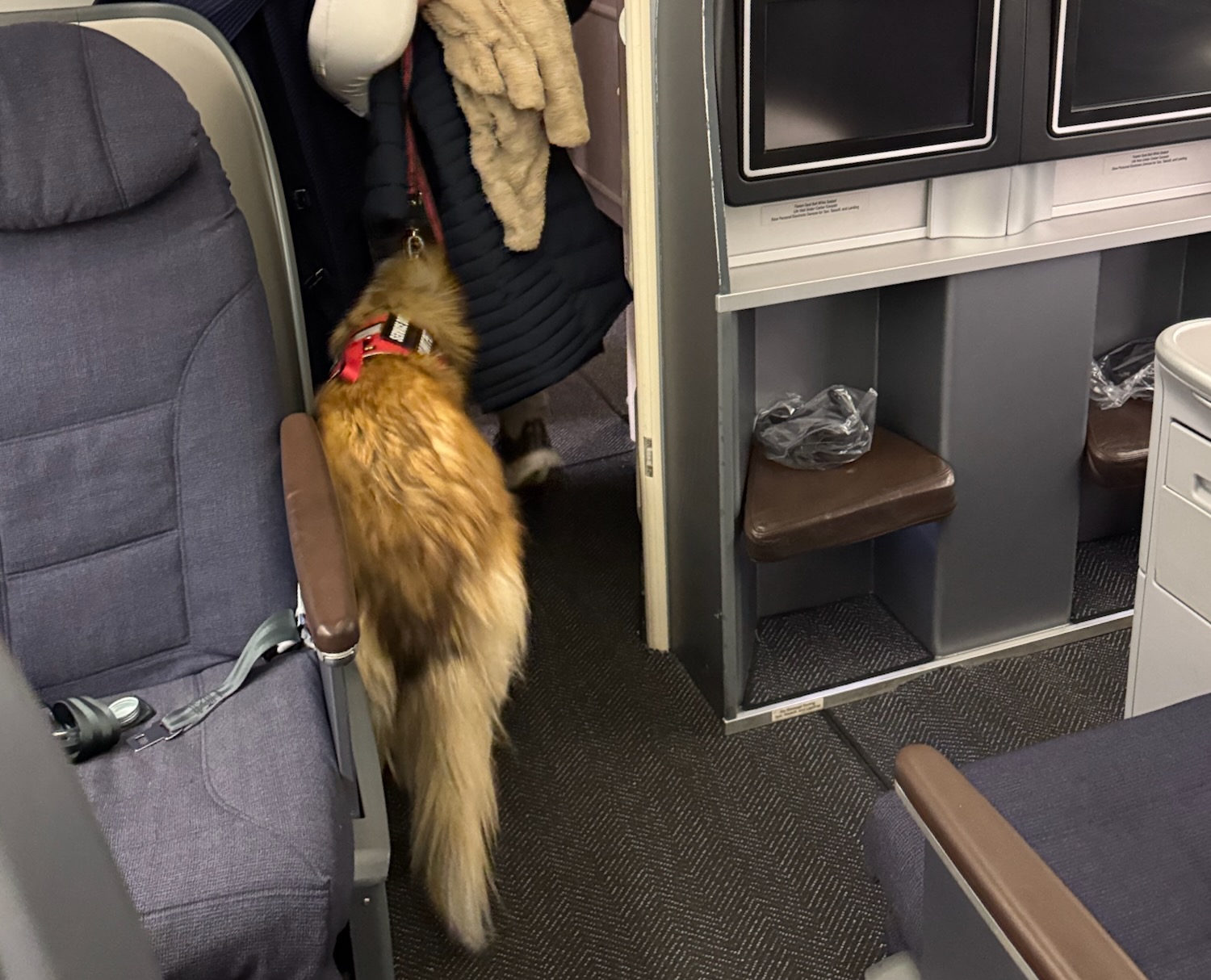
A passenger's redeye flight from Los Angeles to Chicago on United Airlines turned sleepless after a barking dog claimed service animal status disrupted the cabin throughout the flight.
The incident highlights an escalating problem in commercial aviation. Service animal fraud costs airlines millions annually and creates genuine safety and comfort issues for other passengers. Unlike emotional support animals, legitimate service dogs undergo rigorous training to perform specific tasks for passengers with disabilities. They're trained to remain calm in high-stress environments like aircraft cabins.
The Department of Transportation permits only dogs and miniature horses as legitimate service animals. Airlines cannot require advance documentation or special certifications, creating a loophole that bad actors exploit. Passengers fraudulently claiming their pets as service animals face potential fines up to $2,500, but enforcement remains inconsistent.
United Airlines' policy allows one service animal per passenger at no charge. The airline depends on passenger honesty and crew judgment to identify fraudulent claims. When crews encounter disruptive animals, they can deny boarding or remove passengers mid-flight, though operational disruptions like overnight flights make intervention difficult.
For travelers booking redeye flights, this remains an uncontrollable risk. Earplugs and sleep aids offer minimal protection against persistent barking. The issue affects sleep quality on already challenging red-eye routes, particularly on transcontinental flights where rest is essential.
The broader travel community increasingly demands stricter service animal verification. Some carriers and destination countries have implemented stricter protocols. The International Air Transport Association supports clearer guidelines, though U.S. regulations remain permissive.
Passengers booking United or other major carriers on overnight flights should manage expectations about cabin noise. Documenting incidents by contacting flight attendants creates records that airlines use to identify repeat offenders. Travel insurance and flexible ticket policies provide limited recourse for disrupted sleep on long-haul flights.