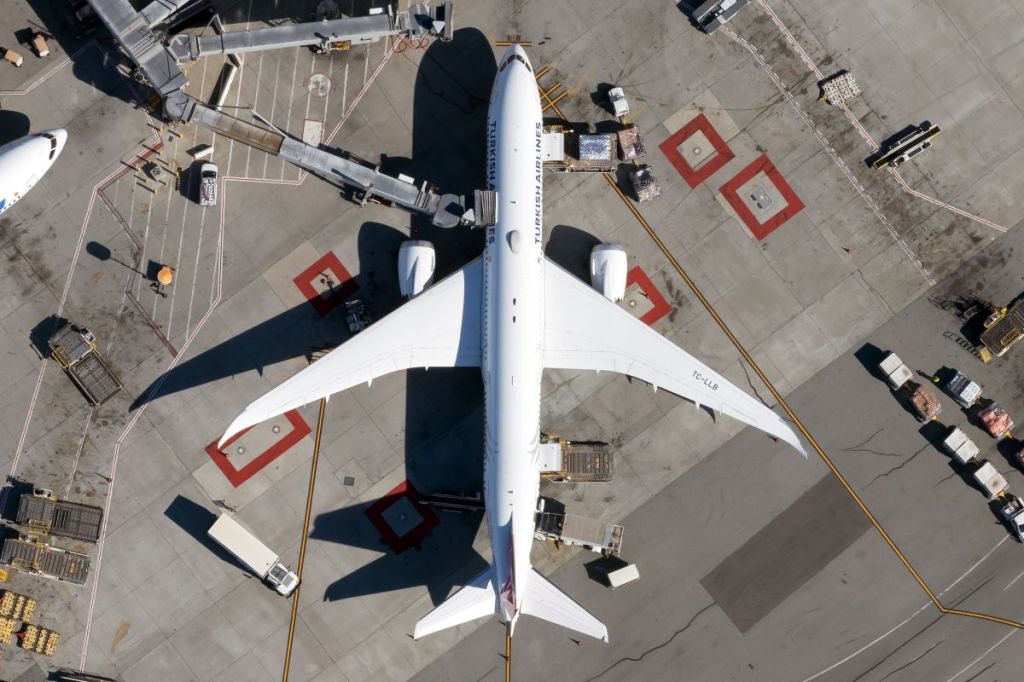
Turkish Airlines, long resistant to premium economy, now plans to introduce the cabin class by 2028. The carrier's reversal marks a significant shift in strategy for one of Europe's largest airlines, which previously argued its business model operated successfully without the middle-tier offering.
The Istanbul-based carrier serves 340 destinations across four continents, positioning itself as a bridge between Europe and Asia. Its decision to add premium economy reflects broader industry trends. Airlines including Air France, Lufthansa, and British Airways already offer premium economy on long-haul routes, capturing passengers unwilling to pay full business class fares but seeking better comfort than economy.
Premium economy typically costs 30 to 60 percent more than standard economy but undercuts business class significantly. Passengers gain extra legroom, better meals, priority boarding, and enhanced amenities. For Turkish Airlines, the cabin class addresses a market gap on routes like Istanbul to New York, London, and Bangkok, where demand from corporate travelers and affluent leisure passengers justifies the investment.
The 2028 timeline provides Turkish Airlines roughly three years to retrofit aircraft and develop cabin products. The airline operates a modern fleet including Boeing 787 Dreamliners and Airbus A350s, both compatible with premium economy configurations. Retrofitting existing aircraft proves more complex than installing premium economy on new deliveries, but Turkish Airlines possesses the operational scale to manage the transition.
Analysts view the move as necessary. Turkish Airlines faced pressure from competitors offering premium economy on overlapping routes. The cabin class generates higher per-seat revenue without the cost burden of full business class suites. Premium economy represents a practical revenue lever for carriers serving the premium leisure and economy business segments.
Turkish Airlines' premium economy rollout positions the airline to compete more effectively against Gulf carriers like Emirates and Qatar Airways, which dominate premium cabin markets. The decision also signals confidence in post-pandemic demand recovery for