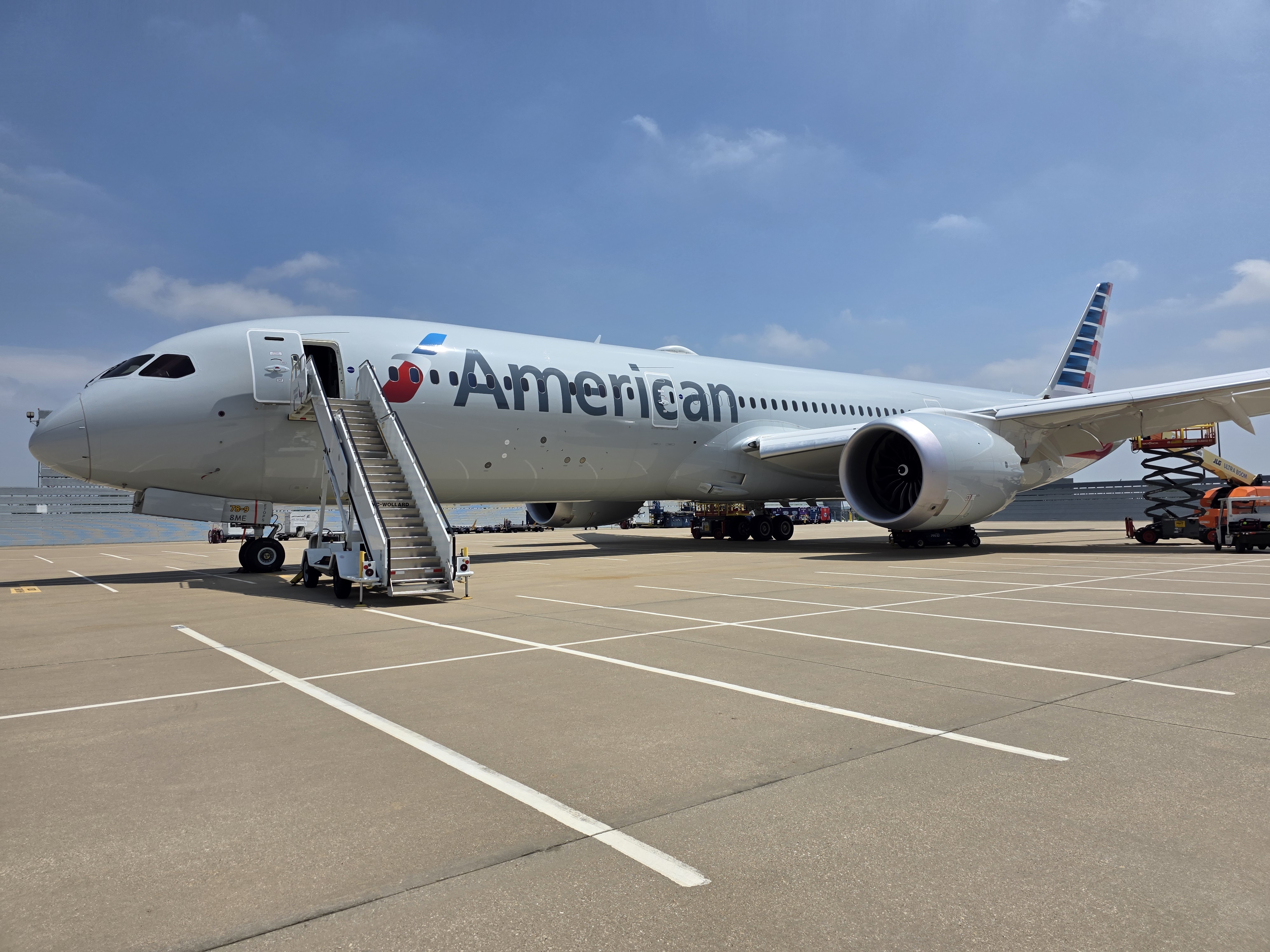
American Airlines is investing billions of dollars to transform itself into a premium carrier, rolling out lie-flat business class seats, expanded premium lounges, upgraded wine selections, and enhanced cabin dining across its fleet. The carrier aims to compete directly with Delta Air Lines and United Airlines in the high-margin premium travel segment.
Yet the airline faces a critical obstacle. Flight attendants, whose labor contract remains under negotiation, have filed service complaints that reveal growing friction between management's premium ambitions and cabin crew morale. Recent grievances highlight staffing shortages, scheduling pressures, and what crew members describe as unrealistic service expectations for the premium product American promises wealthy passengers.
The tension exposes a fundamental truth about premium travel. Luxury seats and gourmet meals mean little without attentive, well-rested cabin service. American's multibillion-dollar cabin refresh cannot succeed if flight attendants feel overworked or undervalued.
American flight attendants represented by the Transport Workers Union have been negotiating their first contract since union certification in 2022. Service complaints underscore that crew scheduling, workload management, and compensation remain sticking points. The airline's aggressive premium push demands more personalized attention, but attendants report insufficient breaks and turnaround times between flights.
For travelers booking premium cabin fares on American, the message is clear. You're paying for a premium product whose quality now hinges on labor negotiations happening behind closed doors. American's billion-dollar investment in hard products—those fancy seats and lounges—only works when its human capital remains committed and compensated fairly.
Competitors like Delta have invested heavily in flight attendant retention and training to support their premium offerings. American's strategy of upgrading hardware while neglecting crew concerns may ultimately undermine its premium positioning. The airline must resolve labor tensions soon, or risk delivering a premium experience that feels less than premium in practice.