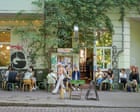
European city travellers are discovering hidden neighbourhoods that rival traditional tourist hotspots for authenticity and atmosphere. Readers have identified underexplored quarters in Stockholm, Amsterdam, Berlin, and Porto as their favourite urban escapes, places they've stumbled into and stayed longer than planned.
Berlin's Neukölln district anchors this discovery trend. The Maybachufer neighbourhood, accessible via U-Bahn station Kottbusser Tor near the Landwehrkanal, hosts a multicultural market on Tuesdays and Fridays. The area attracts visitors seeking genuine local experience over curated tourist routes. Beyond shopping, the neighbourhood offers cool bars, street culture, and the casual vibe that defines contemporary Berlin exploration.
This pattern reflects a broader shift in European travel. Post-pandemic visitors increasingly bypass major attractions like Brandenburg Gate or Canal Ring in favour of residential quarters where locals actually live. Stockholm's quieter districts, Amsterdam's outer ring neighbourhoods, and Porto's hillside communities offer travellers affordable, authentic experiences without the crowds and premium pricing of city centres.
The appeal lies partly in economics. Secondary neighbourhoods feature independent cafes, vintage shops, and casual dining at fraction of rates charged in tourist zones. A beer at a Neukölln bar costs significantly less than Mitte establishments. Hotels and Airbnb rentals in these areas undercut central locations by 30-50 percent.
Social media has amplified this trend. Instagram's focus on undiscovered spots encourages travellers to venture beyond guidebook recommendations. Readers actively share neighbourhood tips, creating informal networks of recommendations that guide planning better than traditional tourism boards.
These discoveries work because they reflect genuine neighbourhood life. Maybachufer's Tuesday and Friday markets serve residents, not visitors. The bars cater to locals. This authenticity proves more memorable than polished museum experiences