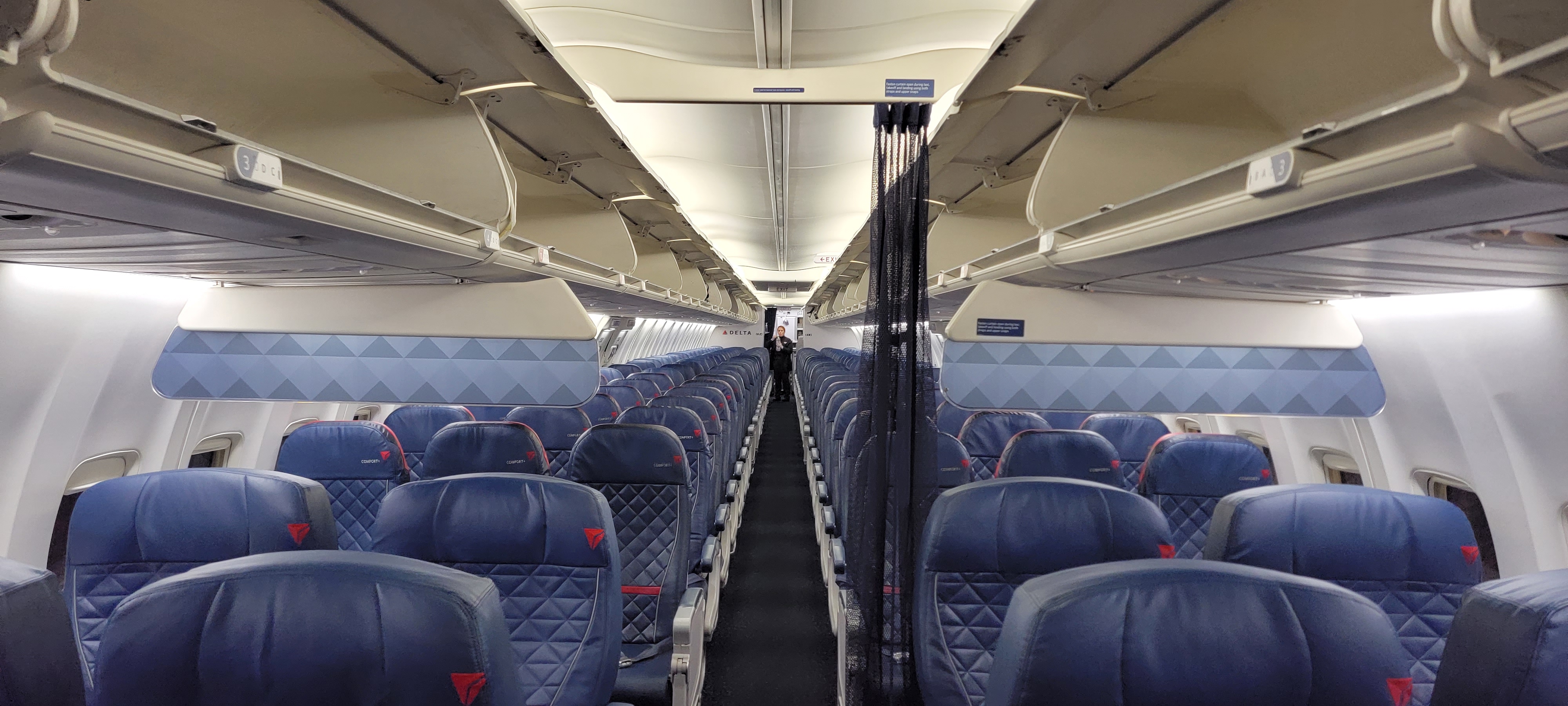
A Delta Air Lines first class passenger discovered vomit in her purse after waking before landing, sparking outrage over the airline's response to the incident.
The passenger found her belongings, including AirPods and other items, soiled and damaged by the vomit. Delta's compensation package consisted of a $50 flight voucher and Clorox wipes. The inadequate response generated significant backlash on social media, with travelers questioning whether the gesture matched the severity of the sanitation violation and property damage.
This incident highlights persistent customer service gaps at major carriers, even in premium cabin experiences. First class passengers pay substantial premiums for enhanced service and comfort. Delta charges between $200 to $500 or more for domestic first class upgrades, with some transatlantic first class fares exceeding $10,000. A $50 voucher falls drastically short of addressing the cost of damaged electronics like AirPods, typically priced at $129 to $249.
The situation reflects broader frustrations with airline incident response protocols. Passengers increasingly expect airlines to take health and safety violations seriously, particularly in premium cabins where cleanliness standards remain paramount. The incident raises questions about how Delta handles biohazard cleaning, passenger compensation standards, and whether crew members properly assessed the situation's severity.
For travelers booking Delta first class, this case serves as a cautionary reminder about what compensation actually covers when service failures occur. Airlines typically use vouchers as a low-cost settlement option, but they rarely address direct property damage or health concerns adequately. Passengers experiencing similar incidents should document everything with photos and receipts, file formal complaints with Delta's customer relations department, and consider pursuing claims through credit card companies or small claims court if the airline's initial offer seems insufficient.
This incident underscores why premium cabin passengers should maintain travel insurance and consider what recourse options exist beyond