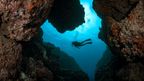
Diving tourists visiting Japan's coastal waters are now playing an active role in shark conservation through a novel underwater education program. The initiative transforms recreational divers into citizen scientists, collecting valuable data on shark populations and behavior that researchers previously gathered alone.
The program operates in Japan's waters, where diving operators have developed specialized courses that teach visitors to identify shark species, document sightings, and record behavioral patterns during dives. Participants contribute observations to conservation databases that track population health and migration routes. This approach addresses a critical gap in marine research funding while engaging tourists in meaningful environmental work.
The diving course combines typical recreational activities with scientific methodology. Divers learn species identification for local sharks, proper documentation techniques, and how their observations feed into peer-reviewed research. The program works with marine biologists who analyze collected data to inform protection strategies and management policies.
Japan's shark populations face mounting pressure from overfishing and habitat loss. By enlisting tourists as data collectors, conservation organizations reduce research costs while raising awareness about these misunderstood predators. Many visitors arrive with preconceived fears about sharks, but the educational program shifts perspectives through direct underwater interaction and scientific engagement.
Diving operators report increased bookings for conservation-focused courses, suggesting growing traveler interest in eco-conscious tourism. The model proves cost-effective compared to traditional research expeditions, as divers pay standard recreational diving fees while contributing professional-grade data collection. Several operators along Japan's coast now offer variations of the program, with participants receiving certification upon completion.
This approach reflects broader travel trends toward experiential and purpose-driven tourism. Travelers increasingly seek activities that combine vacation enjoyment with tangible environmental impact. The Japanese shark conservation dive program demonstrates how tourism infrastructure can support scientific research while generating revenue for local diving businesses and conservation organizations.
The initiative shows particular promise for species that require large-scale, long-term monitoring across broad geographic areas. As more destinations develop similar