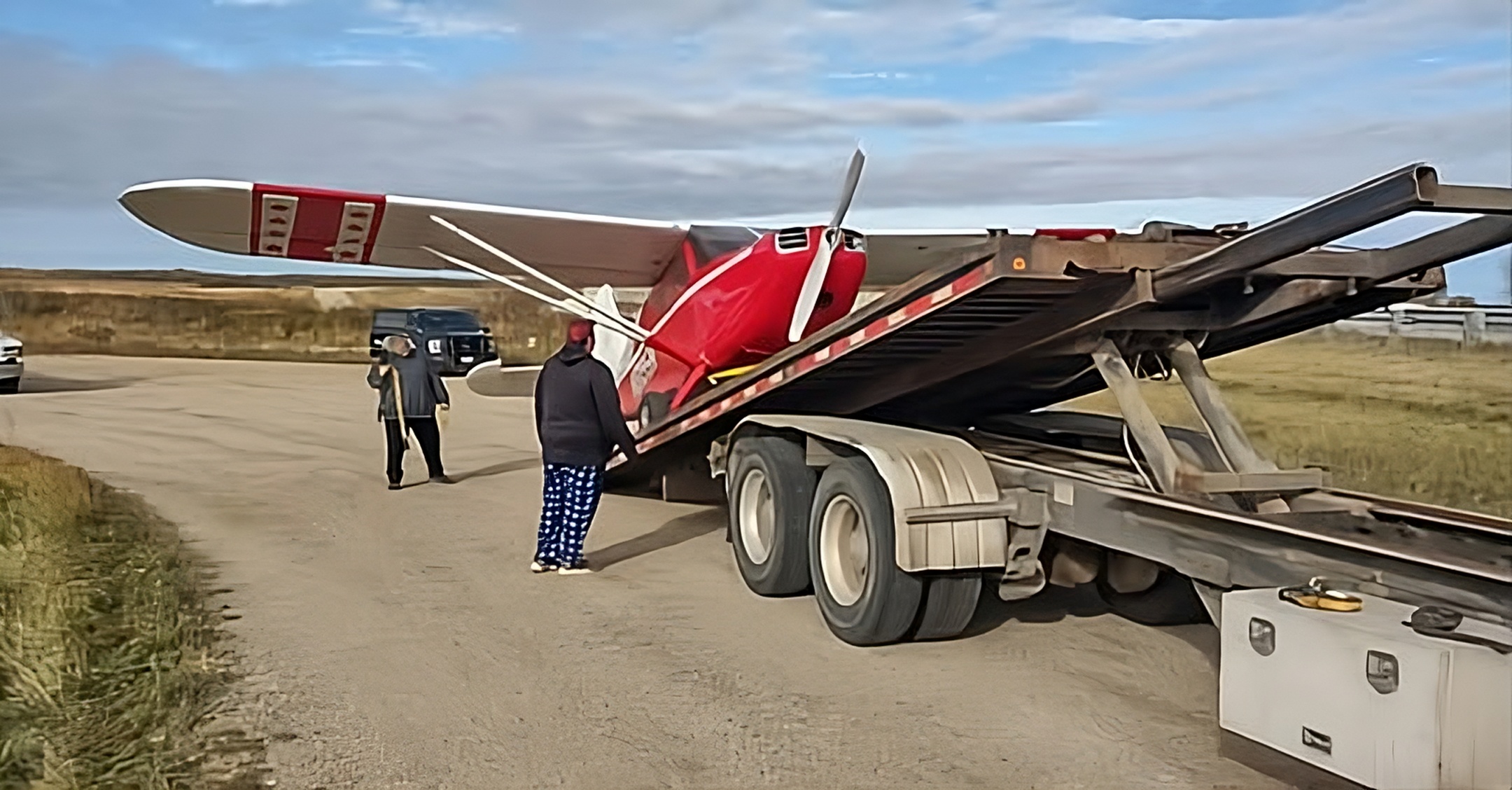
A private pilot faced an extraordinary regulatory clash after executing an emergency landing on a Minnesota highway. When his aircraft's engine failed over northern Minnesota, the pilot chose to land on a state road crossing the Red Lake Reservation rather than risk a crash in nearby water or marshland. His decision prioritized safety over all other considerations.
Tribal officials at the Red Lake Reservation then seized the aircraft for six months, citing violations of an airspace ban. The tribe claimed the pilot had flown too low over their territory. However, tribal authorities lacked legal jurisdiction to enforce such restrictions. State highways crossing tribal lands fall under state authority, not tribal airspace control.
This incident reveals tensions between tribal sovereignty and federal aviation regulations. The Federal Aviation Administration oversees all U.S. airspace, including areas above tribal lands. Local tribes cannot unilaterally impose flight restrictions or penalties on aircraft. Emergency landings receive particular protection under aviation law, which prioritizes pilot safety and passenger survival.
The seizure raised questions about due process. The pilot faced a six-month aircraft confiscation for an emergency maneuver executed to prevent a potentially fatal crash. No evidence suggested reckless behavior. The pilot selected the highway specifically because it offered the safest landing option available.
This case highlights confusion at the intersection of tribal governance and federal aviation authority. While tribes possess legitimate sovereignty over their lands, that sovereignty does not extend to controlling airspace above reservation territory or penalizing emergency procedures. The FAA maintains exclusive authority over aviation matters.
For general aviation pilots, the incident serves as a cautionary tale about navigating regulatory gray zones. Pilots operating near tribal lands should understand the limits of tribal authority while respecting tribal interests. Emergency procedures always take precedence, but pilots should document their decisions thoroughly.
The resolution of this dispute could establish important precedent for future incidents involving emergency landings on tribal territories. Clear communication between tribal nations, the FAA