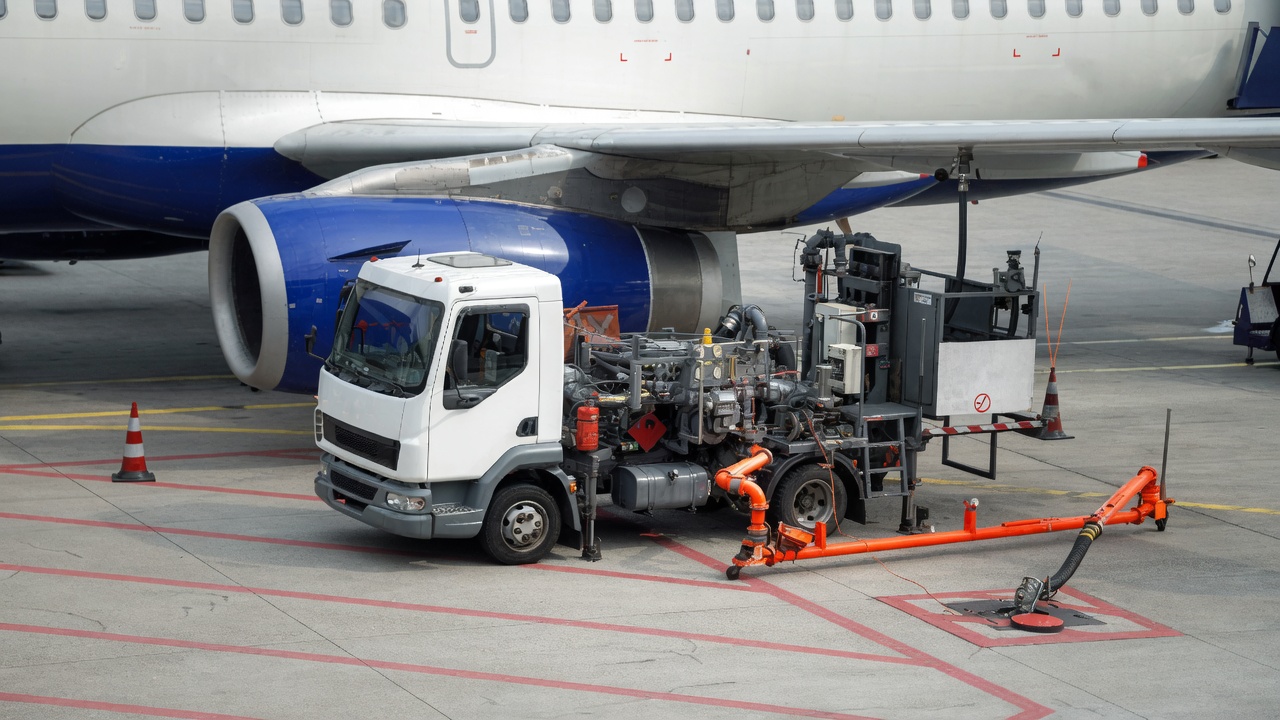
American Airlines partnered with Google to purchase sustainable aviation fuel, casting the deal as an environmental milestone. However, the airline's actual emissions breakthrough lies elsewhere, in contrail avoidance technology that delivers immediate, measurable climate benefits.
SAF remains prohibitively expensive and supply-limited. Production costs run three to five times higher than conventional jet fuel, making the fuel accessible only through government subsidies. Airlines can blend SAF into existing fuel supplies at just 5 to 10 percent currently, a constraint that limits real-world impact. The Google partnership, while generating favorable headlines, addresses a fuel supply problem that won't scale meaningfully for years.
American Airlines' more promising work involves contrail management. The airline has been testing technologies that adjust flight routes and altitudes to reduce or eliminate contrail formation. Contrails trap heat in the atmosphere, contributing significantly to aviation's total climate footprint. Some researchers estimate contrails double the warming impact of jet fuel combustion alone.
This contrail work offers immediate deployment potential. Airlines can implement altitude adjustments without waiting for fuel supply chains to mature or subsidies to expire. American has already begun deploying these strategies on select routes, with measurable results. The approach costs far less than purchasing premium SAF and delivers environmental benefits right now.
The SAF announcement serves marketing purposes. American Airlines and Google generate positive press coverage, satisfy investor pressure on environmental commitments, and appeal to conscious consumers willing to pay premium fares for carbon-conscious travel. None of this addresses the fundamental problem: SAF won't become competitive or abundant within the next decade.
Travelers planning trips face a choice between supporting greenwashing initiatives or demanding airlines prioritize proven emissions reduction. Booking with carriers investing in contrail avoidance technology sends a clearer environmental signal than purchasing SAF-inclusive tickets at inflated prices. American Airlines already operates this technology on certain routes. Checking flight options reveals