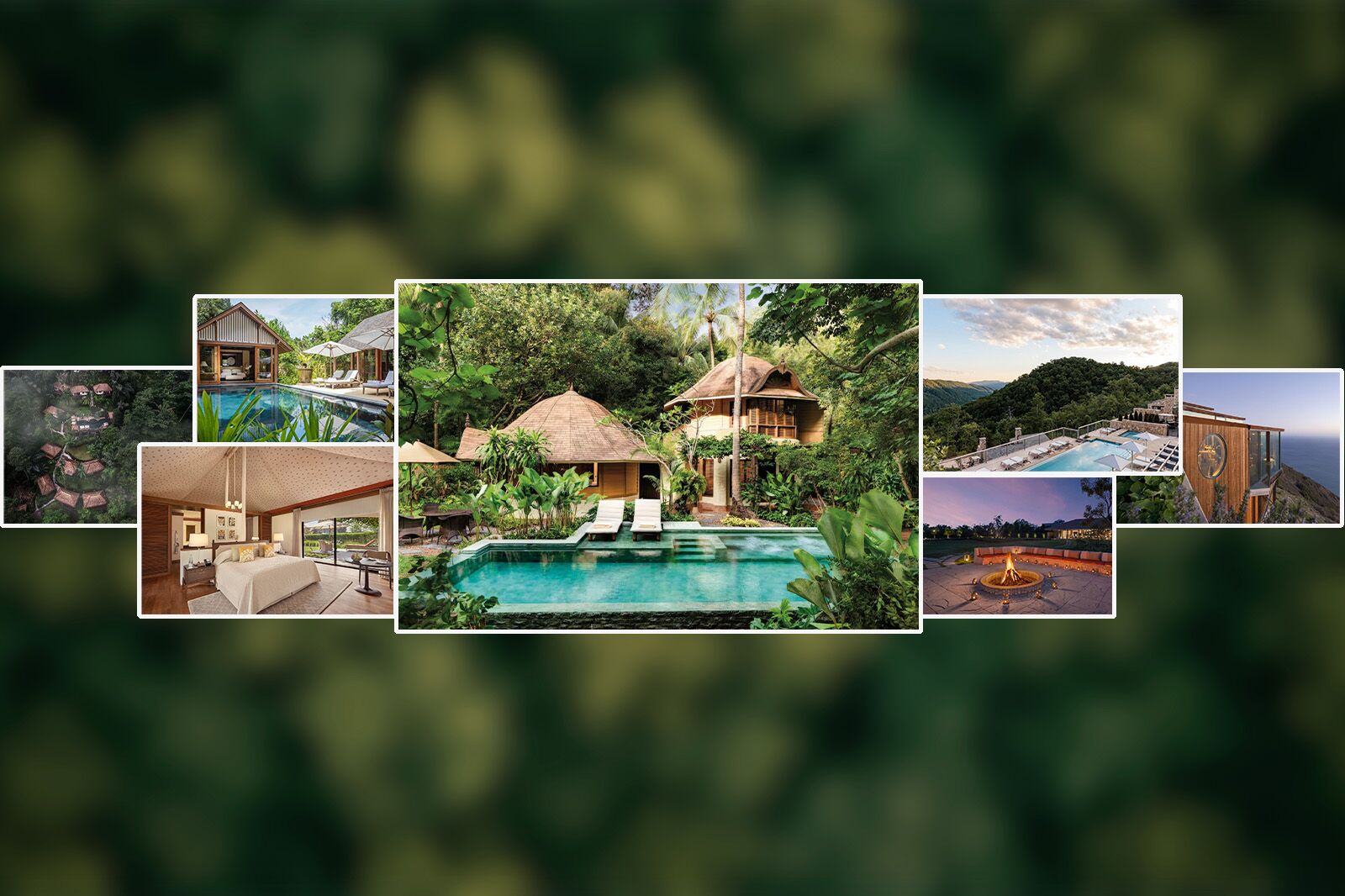
# Best Forest and Jungle Hotels
Travelers seeking immersion in pristine wilderness can now access luxury accommodations nestled within some of Earth's most biodiverse ecosystems. These properties combine five-star amenities with unfiltered nature access, creating experiences that rival traditional city-based luxury resorts.
Leading jungle hotels operate across contested terrain. Properties in the Amazon Basin, Southeast Asian rainforests, and Central African reserves offer sophisticated accommodations while navigating conservation concerns. Operators like Lapa Rios in Costa Rica's Osa Peninsula and Sonora Resort in Belize have pioneered models balancing high-end hospitality with environmental stewardship.
The market segment explodes as wealthy travelers prioritize experiential over material luxury. These properties command nightly rates from $500 to $3,000 per room, with some ultra-luxury camps in East Africa reaching $5,000 plus. Guests expect private guides, gourmet dining prepared from foraged ingredients, and activities like canopy walks and wildlife tracking.
Conservation credentials matter increasingly to guests. Many properties employ local guides, support reforestation programs, and maintain strict low-impact policies. The Four Seasons ventured into jungle hospitality with properties in Bali and Thailand, applying their service standards to forest settings.
Booking patterns shift seasonally. Dry seasons attract peak demand, particularly November through March in tropical regions. Travelers planning jungle stays should reserve six months ahead and budget $8,000 to $15,000 weekly for couples including guides and activities.
Accessibility varies dramatically. Costa Rican and Belizean jungle hotels offer paved final approaches with helicopter options. African bush camps require charter flights. Southeast Asian properties typically connect via regional airports like Phuket or Bangkok.
These resorts represent a gamble. Their existence depends on forest preservation, yet increased access risks overt