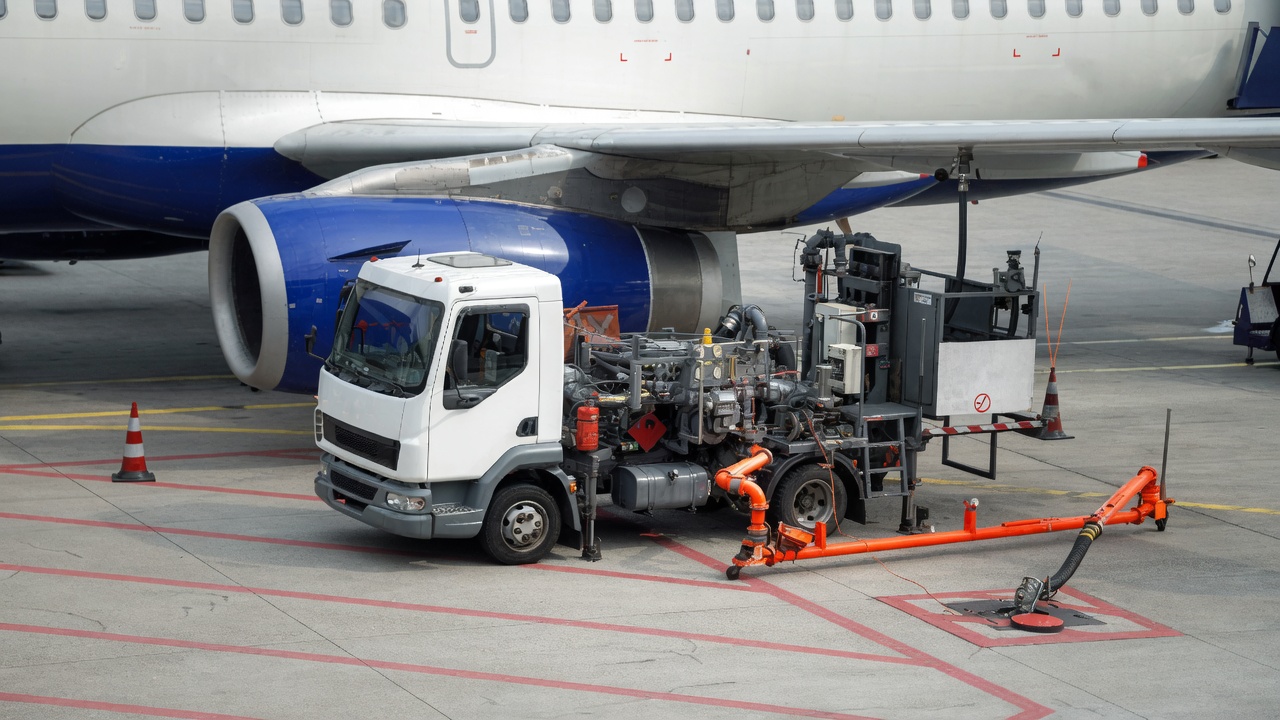
Canada's government launched a financial lifeline for struggling airlines, suspending fuel taxes and offering subsidized loans to carriers operating within the country. Air Canada stands to gain the most from the fuel tax holiday, which removes excise duties on jet fuel purchases.
The program shifts financial risk directly to Canadian taxpayers. Subsidized loans come with favorable terms that private lenders would not offer, effectively using public money to shore up airline balance sheets. Air Canada, the nation's largest carrier, dominates domestic and international routes and will capture the largest share of tax savings given its fuel consumption volume.
This bailout reflects the airline industry's ongoing financial struggles post-pandemic. Carriers face elevated labor costs, fuel price volatility, and weakened demand in key markets. Rather than let airlines adjust through market forces, Ottawa chose direct intervention.
The fuel tax suspension matters for travelers planning Canadian trips. Lower airline operating costs do not automatically translate to cheaper fares, though competitive pressure may eventually benefit economy passengers on popular routes like Toronto to Vancouver or Montreal to Calgary. Business and premium cabin pricing rarely responds to such subsidies.
Smaller carriers and regional airlines also benefit from the tax break, but their ability to access subsidized loans remains unclear. This creates a two-tier system where established players like Air Canada receive robust support while competitors operate on unequal footing.
For Americans flying into Canada, ticket prices may shift marginally over time, though currency fluctuations and US fuel costs remain dominant pricing factors. The policy essentially asks Canadian taxpayers to underwrite cheaper airfares for the flying public, a trade-off between short-term consumer relief and long-term fiscal burden.
Whether these measures prove temporary or permanent remains unclear. If subsidies continue indefinitely, they establish a precedent that airline profitability depends on government support rather than operational efficiency.