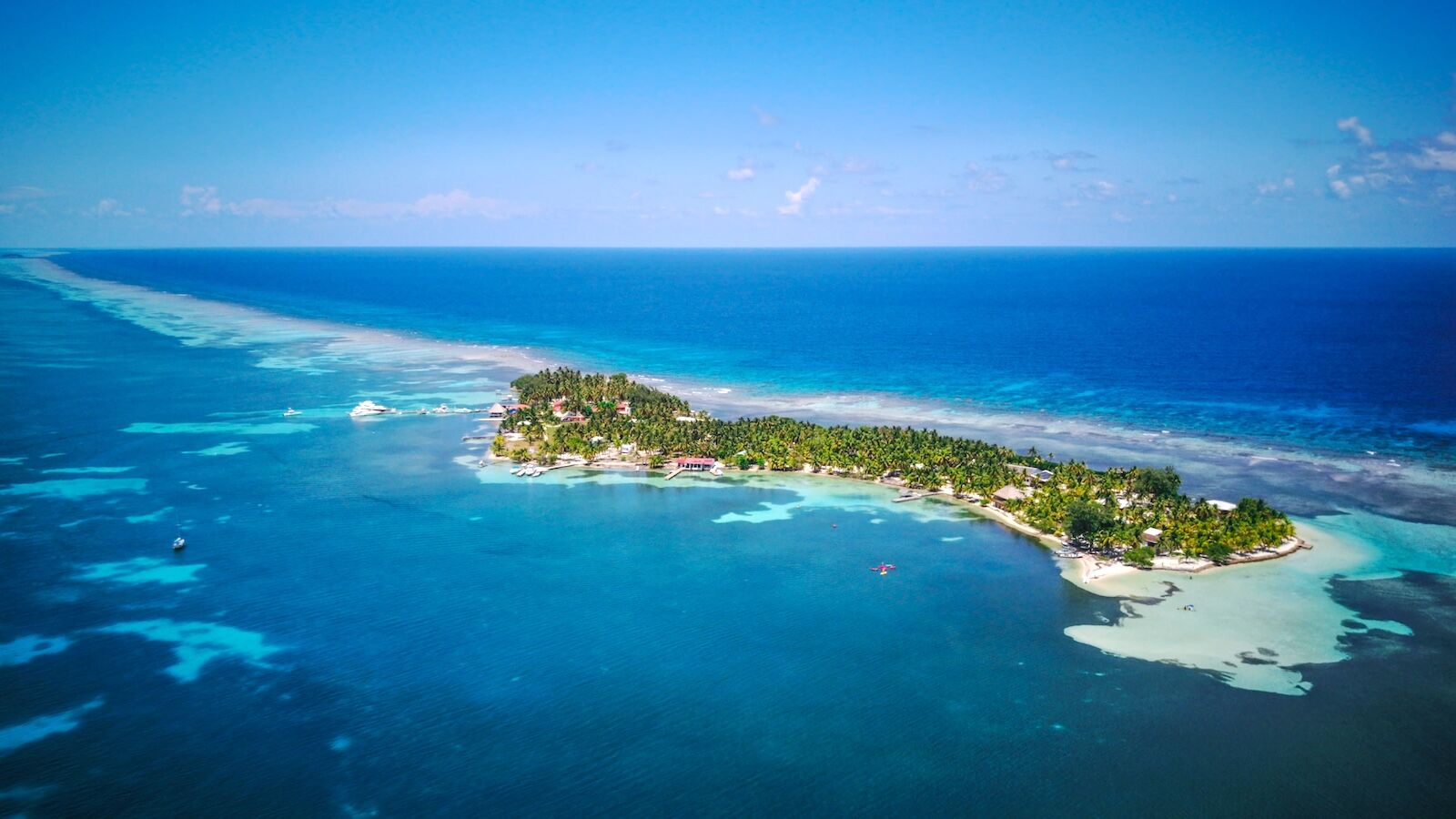
# Belize's Reef Guardians Drive Sustainable Tourism
Belize's Great Blue Hole and surrounding coral reef system face a paradox. The natural wonders that draw thousands of divers and snorkelers annually depend on protection from the very tourism industry that funds conservation efforts. Local operators and guides have become the solution, merging environmental stewardship with economic survival.
Communities across Belize, particularly around Ambergris Caye and the Lighthouse Reef Atoll, employ marine biologists and certified guides who enforce strict diving protocols. These professionals limit group sizes, prevent coral contact, and educate visitors on reef ecosystems during descents into the iconic 984-foot-wide sinkhole. Operators like Belize Diving Services and Half Moon Caye resorts partner directly with local conservationists, creating a model where tourism revenue directly funds marine protection.
The economics work in Belize's favor. A single dive at the Great Blue Hole costs visitors $200 to $350, generating substantial income for fishing communities that historically depended on reef extraction. Guide salaries now rival or exceed traditional fishing incomes, incentivizing locals to protect rather than exploit their marine resources.
The Belize Fisheries Department and NGOs like the Belize Audubon Society work alongside private operators to enforce no-take zones and seasonal closures. Recent data shows coral bleaching events and overfishing pressures persist, but the reef's recovery rates outpace other Caribbean locations where tourism remains unregulated.
Travelers planning trips to Belize should expect higher prices than other Central American destinations, but this cost reflects genuine conservation investment. Booking directly with locally owned operators rather than international chain resorts ensures funds reach community hands. The best time to visit spans November through April, when water clarity peaks and sea conditions stabilize for diving.
This model offers