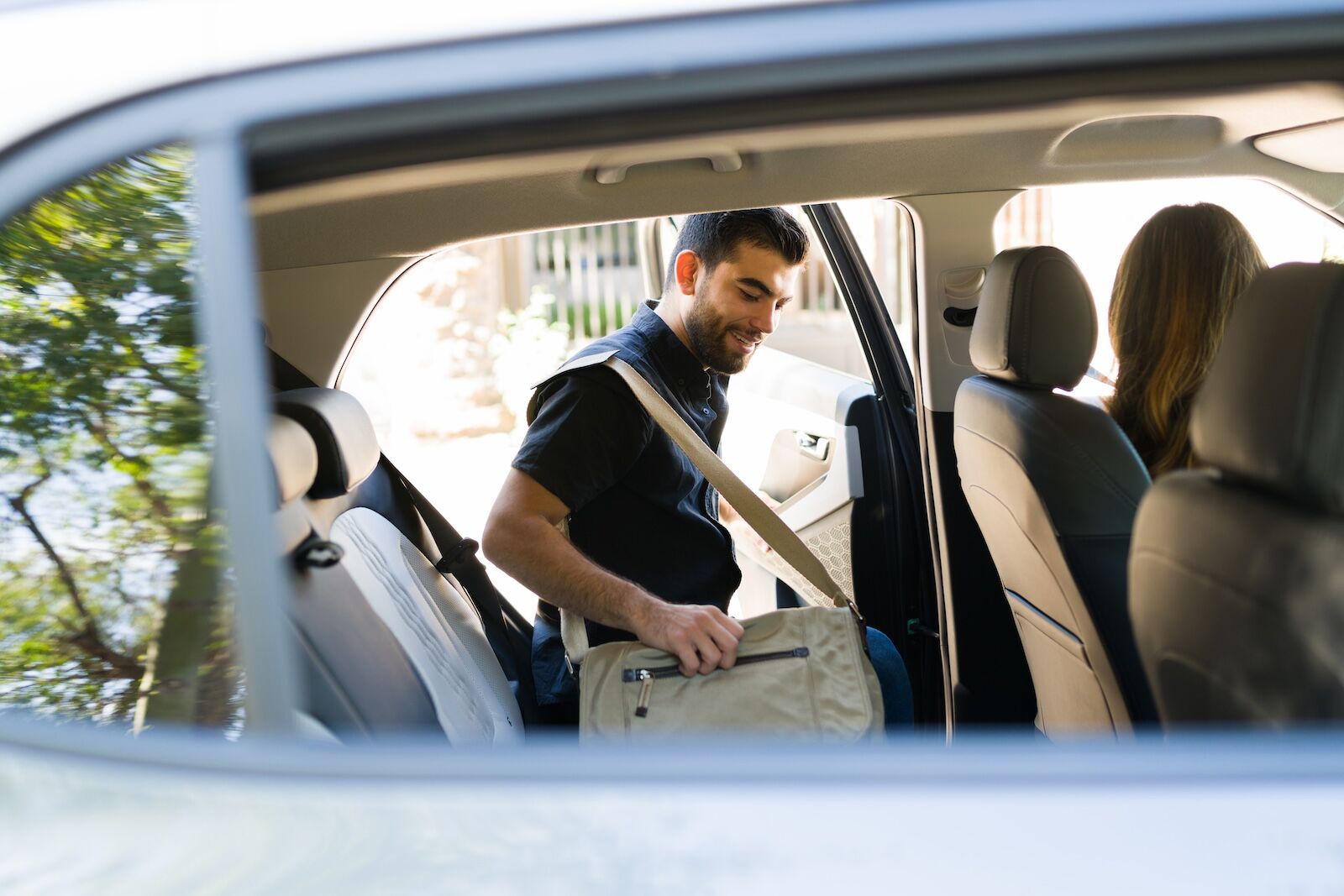
Uber has launched a dedicated lost and found service across its rideshare platform, allowing passengers to track and retrieve items left in vehicles. The new feature connects travelers directly with drivers through the app, streamlining the recovery process for forgotten belongings.
The service addresses a persistent travel pain point. Riders frequently abandon phones, wallets, keys, and clothing during trips, but retrieving these items previously required contacting support or hoping drivers would return them independently. Now, passengers can file claims through Uber's app and communicate with drivers to arrange pickups or deliveries.
Uber's announcement included a humorous catalog of unusual items left behind. Beyond typical travel essentials, passengers have forgotten prosthetic limbs, wedding dresses, and even a live chicken. One rider left a full cooler of seafood; another abandoned a motorcycle helmet inside an Uber Black luxury vehicle. These anecdotes reveal how distracted travelers become during transit, particularly business passengers rushing between airports and hotels or tourists navigating unfamiliar cities.
The feature rolls out across Uber's network, including UberX, UberXL, and premium services. Drivers retain flexibility in whether they retrieve and return items, and Uber handles coordination and liability concerns. The service particularly benefits international travelers and business professionals who rely on rideshares for airport transfers and city navigation.
This development reflects broader travel industry trends toward passenger convenience and technology integration. Airlines, hotels, and ride services now compete on digital experience alongside basic transportation. Lost items create friction in travel itineraries, delay connections, and generate customer service costs. Automating recovery through the app reduces back-and-forth communication and speeds resolution.
For frequent Uber users planning trips, the new service offers peace of mind during transitions between locations. Travelers can now focus on navigating destinations rather than worrying about forgotten items. The feature works best when drivers participate actively, making communication and follow