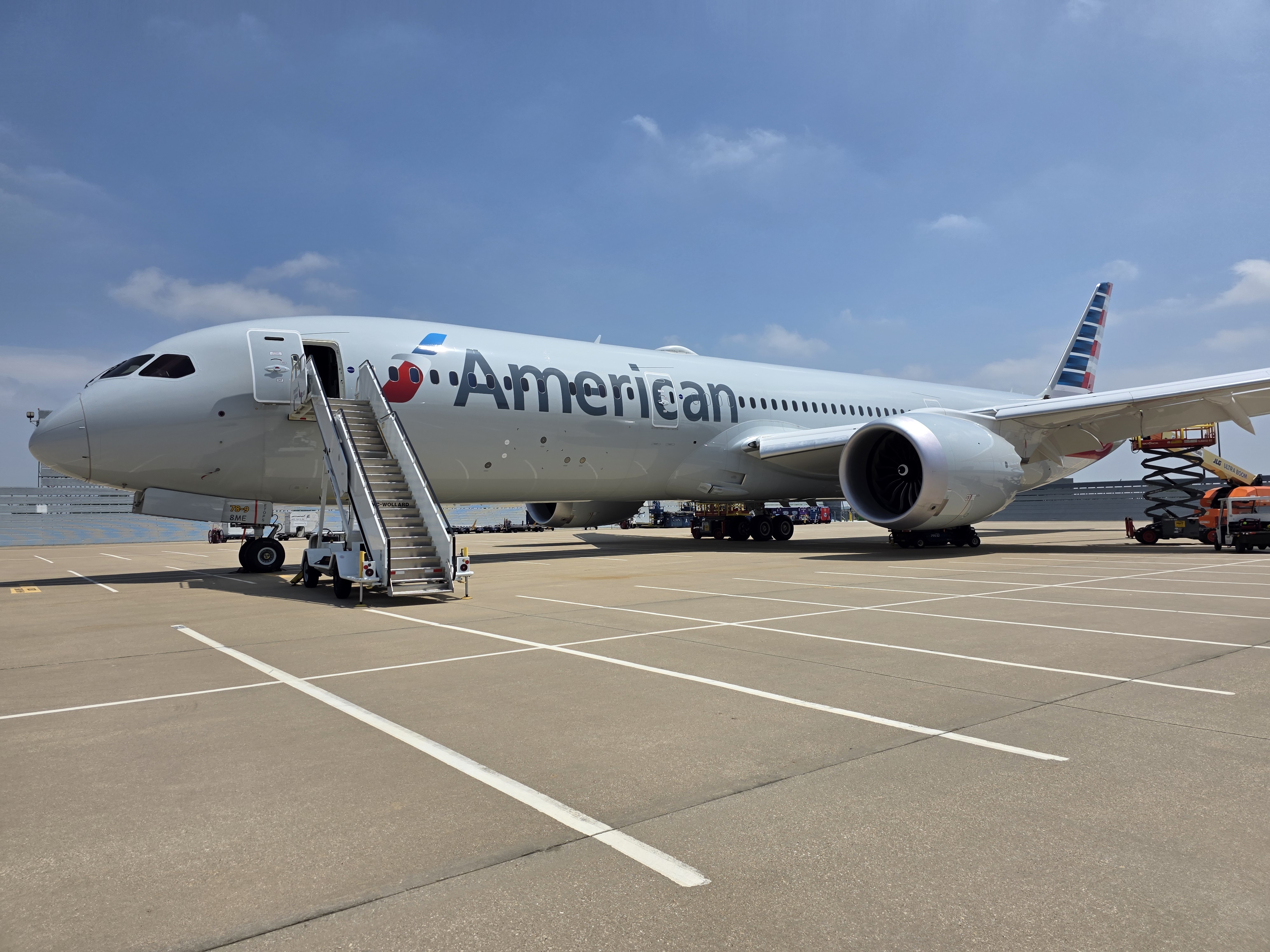
American Airlines is actively seeking new widebody aircraft to rebuild its long-haul international capacity after a strategic fleet restructuring. CEO Robert Isom confirmed the airline issued a request for proposals (RFP) to aircraft manufacturers, signaling a major pivot in the carrier's network strategy.
The move follows American's recent retirement of 40 percent of its long-haul fleet, a decision made during pandemic recovery when demand for international travel remained uncertain. Now, with global travel rebounding and premium cabin demand accelerating, American is doubling down on premium international routes rather than pursuing the high-capacity, economy-focused model that dominated pre-pandemic strategy.
This procurement decision puts American in direct competition with Boeing and Airbus for widebody orders. Boeing's 787 Dreamliner, 777X, and Airbus' A350 represent the leading contenders for airlines seeking fuel-efficient, long-range aircraft that appeal to business travelers and premium leisure passengers. The timing matters significantly. Aircraft orders placed today arrive in 2028 or later, giving American time to assess market conditions and route profitability before taking delivery.
The decision reflects a broader industry shift toward premium flying. International routes generate substantially higher revenue per seat than domestic markets, and American's restructuring positions it to capture that opportunity. By retiring older widebodies like 777-200s and smaller aircraft, the carrier eliminates fuel-inefficient capacity while repositioning toward newer, more profitable segments.
For travelers, this development promises improved cabins on American's longest routes. New widebodies typically feature premium economy sections, enhanced business class products, and modern in-flight entertainment systems. American has invested heavily in premium cabin redesigns on its domestic fleet, and international aircraft will likely follow suit.
The RFP places American among carriers reshaping post-pandemic strategies. United Airlines and Delta have similarly refreshed their widebody fleets with