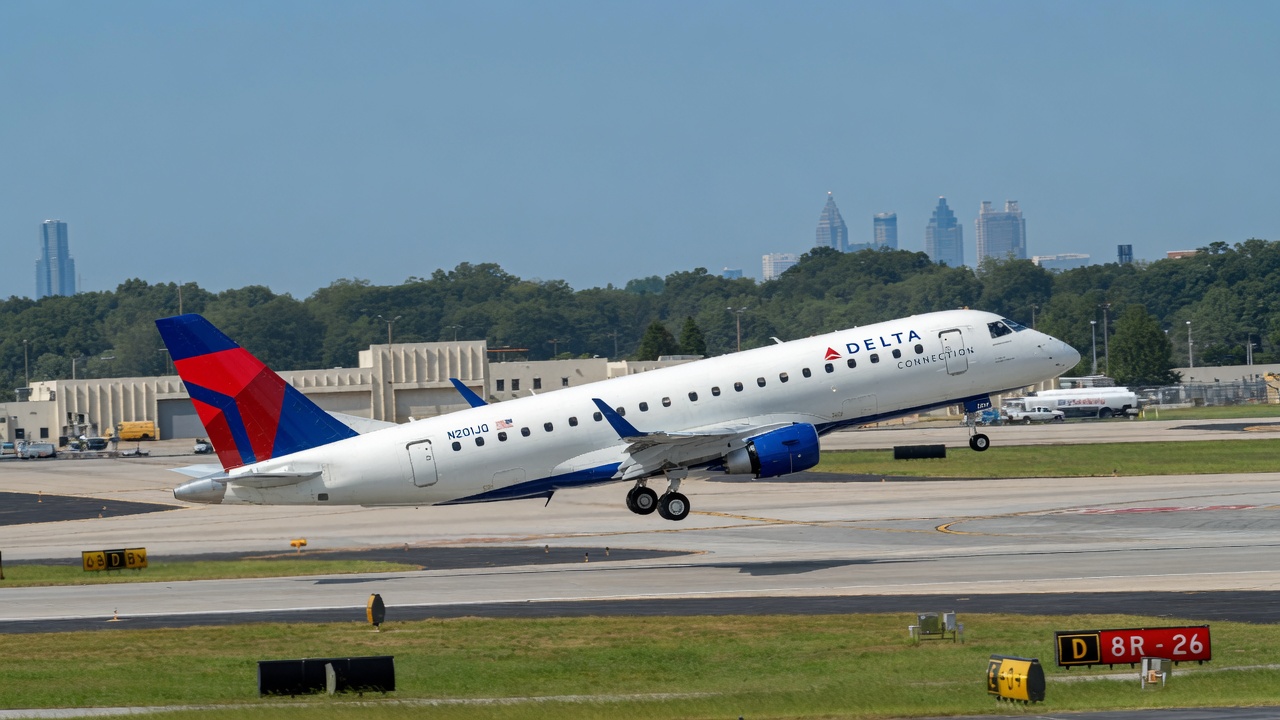
Delta Air Lines faces a lawsuit after a flight attendant reported a father attempting to comfort his frightened daughter as suspected human trafficking. The incident raises serious questions about the depth and quality of training that major carriers provide to frontline staff tasked with identifying exploitation.
The case centers on a routine paternal gesture misidentified as criminal behavior. A flight attendant observed the interaction and escalated it to authorities based on perceived suspicious activity. Law enforcement subsequently investigated but found no evidence of trafficking or wrongdoing.
The lawsuit highlights a systemic problem across the airline industry. While carriers like Delta have implemented human trafficking awareness programs following federal mandates, these trainings often lack nuance and practical guidance. Flight attendants receive minimal instruction on how to distinguish between normal family behavior and actual indicators of exploitation. Red flags such as controlling behavior, isolation, signs of physical abuse, or victims appearing coached remain difficult for untrained eyes to spot reliably.
Airlines have faced increasing pressure from advocacy groups and government agencies to combat human trafficking. This pressure has produced checkbox compliance rather than meaningful education. Flight attendants complete online modules or brief in-person sessions that teach broad warning signs but struggle to provide context for the thousands of interactions crews witness daily.
The case exposes the collateral damage of well-intentioned but poorly executed initiatives. False reports damage innocent travelers and their families while diverting law enforcement resources from genuine cases. More critically, they erode trust between passengers and airlines at a moment when cooperation remains essential.
Delta and competitors including American Airlines, United Airlines, and Southwest Airlines will likely face increased scrutiny over training protocols. Industry observers expect carriers to revisit their programs, potentially adding scenario-based learning and consultation with actual trafficking survivors and law enforcement experts. Better training protects vulnerable people while protecting families from unfounded accusations during what should be routine travel.