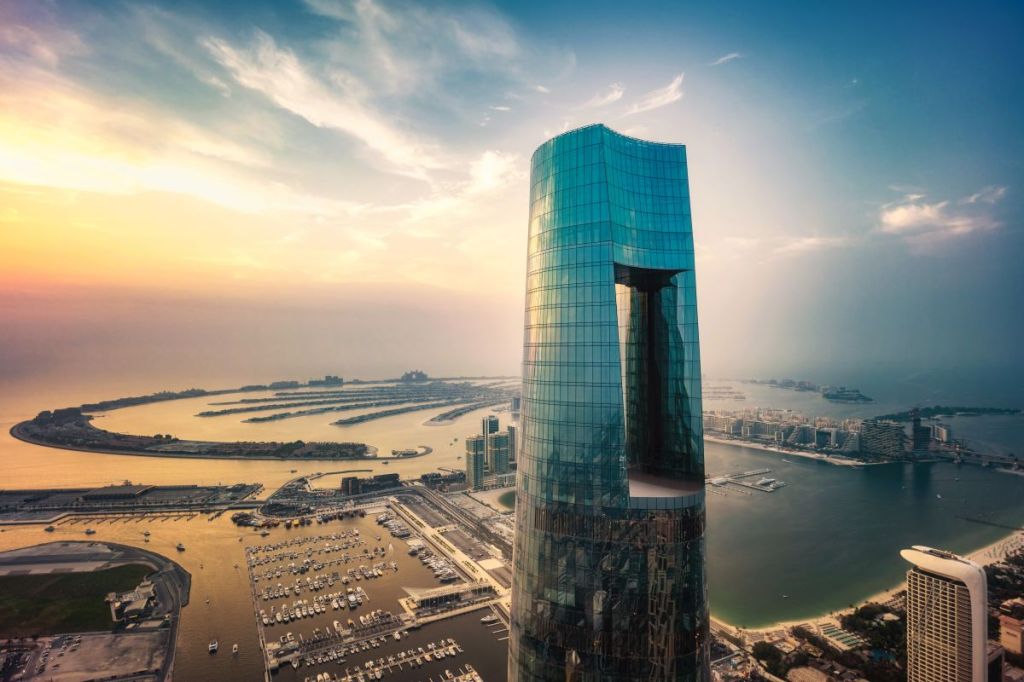
InterContinental Hotels Group is redirecting its Middle East expansion strategy away from Dubai's struggling market, pivoting instead toward Egypt and Saudi Arabia while banking on a fourth-quarter rebound in the region's tourism.
The luxury hotel operator's Middle East properties are performing well with guests from Gulf Cooperation Council countries and India, but European travelers remain absent. This demand shift has forced IHG to recalibrate its portfolio across the region.
Dubai's hospitality sector faced headwinds from oversupply and softening demand from traditional European markets. The city's hotel inventory expanded significantly in recent years, creating pricing pressure. Meanwhile, regional competitors intensified competition for the limited pool of leisure and business travelers returning to the Gulf after pandemic disruptions.
IHG sees stronger opportunity in Egypt and Saudi Arabia, where tourism infrastructure remains less developed. Egypt's Red Sea resort destinations like Hurghada and Sharm el-Sheikh attract growing numbers of European visitors seeking sun and value. Saudi Arabia's Vision 2030 initiative has spurred investment in hospitality, particularly in Riyadh and around leisure destinations like NEOM and the Red Sea resort developments.
The company expects the typical Q4 surge in Middle East tourism to accelerate bookings across its portfolio. Winter months traditionally draw wealthy international travelers to Dubai, Abu Dhabi, and emerging regional destinations. IHG properties including its InterContinental and Holiday Inn brands are positioned across these markets to capture both luxury and mid-market segments.
Indian travelers now rank among the region's top growth sources, shifting regional hotel marketing strategies. These visitors tend to book longer stays and book during specific seasonal windows aligned with Indian holidays and school breaks.
For travelers planning Middle East trips, this trend signals better value in Egypt and Saudi Arabia as IHG expands properties there. Dubai remains viable for Q4 travel but expects continued pricing pressure. The hotel group's divers