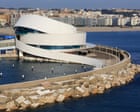
Matosinhos, the industrial fishing town next to Porto, has transformed into a thriving coastal destination that balances gritty authenticity with genuine cultural appeal. Built on centuries of seafood production, this formerly declining neighbourhood now showcases retro fish canneries converted into galleries, museums, and art spaces alongside working seafood restaurants that still honour local culinary traditions.
The shift reflects broader European gentrification trends, but Matosinhos remains caught in that sweet spot between discovery and overdevelopment. Travellers visiting now encounter genuine local culture rather than sanitised tourist versions. The town's architectural heritage, rooted in its industrial past, provides character that newer developments lack. Museums and galleries fill converted factory spaces, creating authentic cultural experiences without the polished feel of purpose-built attractions.
The seafood restaurants here operate in a different register than Porto's trendier establishments. Prices remain reasonable, menus feature honest preparations of catch-of-the-day, and dining rooms reflect decades rather than seasons of operation. This represents the kind of travel opportunity that defines smart destination selection: visiting before Instagram discovers the place, before rents triple, before character vanishes.
The timing matters for budget-conscious travellers. Matosinhos offers museum-quality experiences and excellent meals at a fraction of what similar offerings cost in Porto proper or other established Portuguese coastal towns like Cascais. Transport from Porto takes minutes via metro or bus, making Matosinhos an easy day trip or base for exploring the broader region.
The warning embedded in travel coverage about this destination proves telling. Gentrification in European coastal towns follows predictable patterns. Early visitors enjoy low prices and authentic culture. Then social media amplifies discovery. Property investors follow. Locals depart as rents climb. Restaurants rebrand toward tourists. Within five years, uniqueness evaporates.
Matosinhos hasn't reached