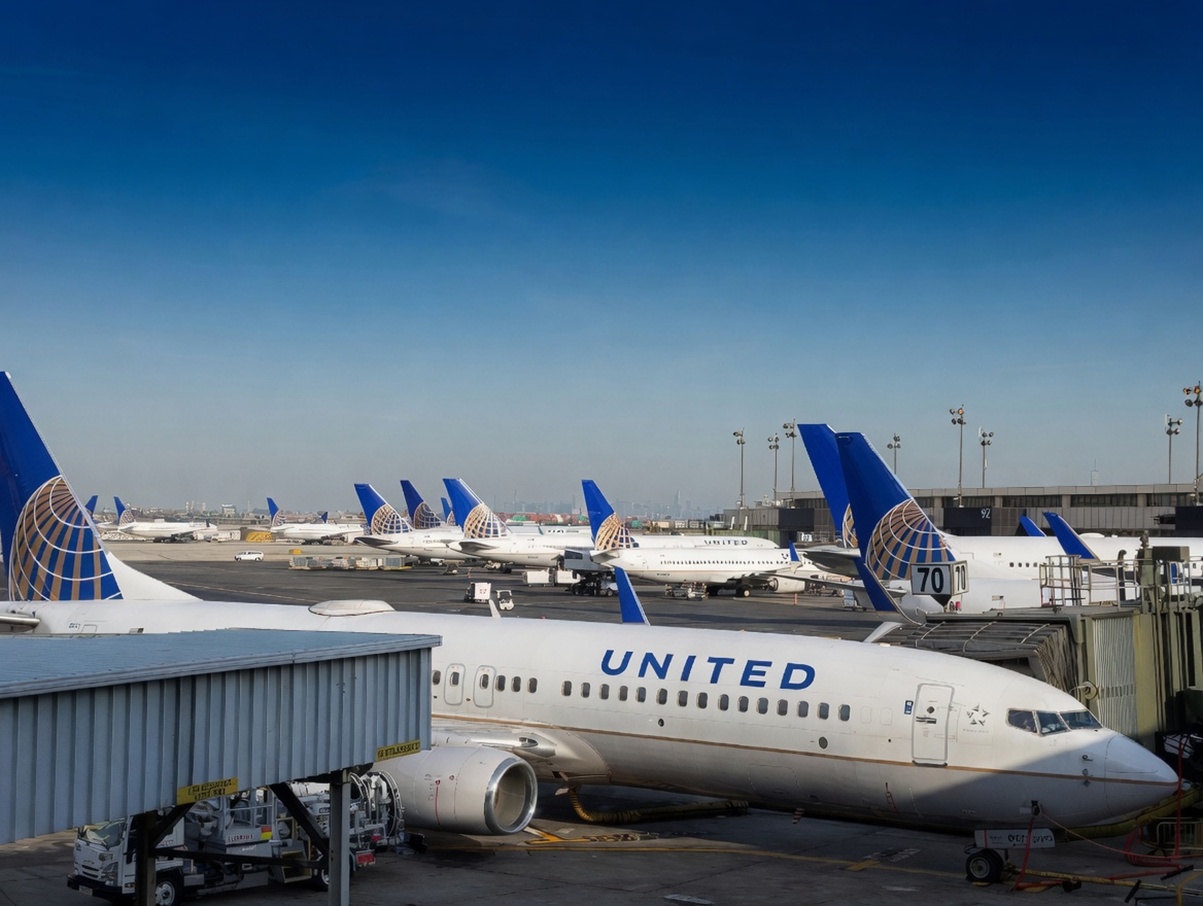
United Airlines has overtaken Delta Air Lines in total passenger volume across New York area airports for the first time in recent memory, according to new data. However, the shift reveals a nuanced competitive picture rather than a decisive market victory.
United's lead stems primarily from its dominant Newark Liberty International Airport hub operation and surging international traffic, rather than superior domestic market penetration. Delta maintains stronger positions at LaGuardia and JFK, where it operates more domestic flights and maintains deep connections within New York's business travel market.
The momentum shift carries real implications for travelers. United's Newark operations feature expanded international routes to Europe and Asia, offering New York passengers direct access to global destinations without Manhattan connections. The airline has invested heavily in modernizing its Terminal C facility, featuring newer aircraft like the Boeing 787 Dreamliner on international routes and refurbished Airbus A320s domestically.
This competitive dynamic affects pricing and service quality across the region. More capacity from United typically translates to improved pricing competition, particularly on transcontinental and international routes. Business travelers benefit from increased frequency options, while leisure passengers gain better connecting opportunities through Newark's expanded hub.
Delta responds with its own strengths. The carrier maintains superior frequent flyer integration through its SkyMiles program, deeper partnerships with international carriers, and established corporate contracts favoring its LaGuardia and JFK operations. Premium cabin passengers often prefer Delta's established lounge networks and consistent premium service standards at New York's airports.
For travelers planning trips from New York, this competitive intensification creates opportunities. Passengers flying to Europe or Asia benefit from United's expanding Newark international schedule and newer aircraft. Domestic routes show competitive pricing as both carriers fight for market share. Loyalty program members should evaluate which airline's benefits matter most, since neither has eliminated the other as a viable choice.
The next phase could reshape the market further. United's Newark investment strategy positions it to