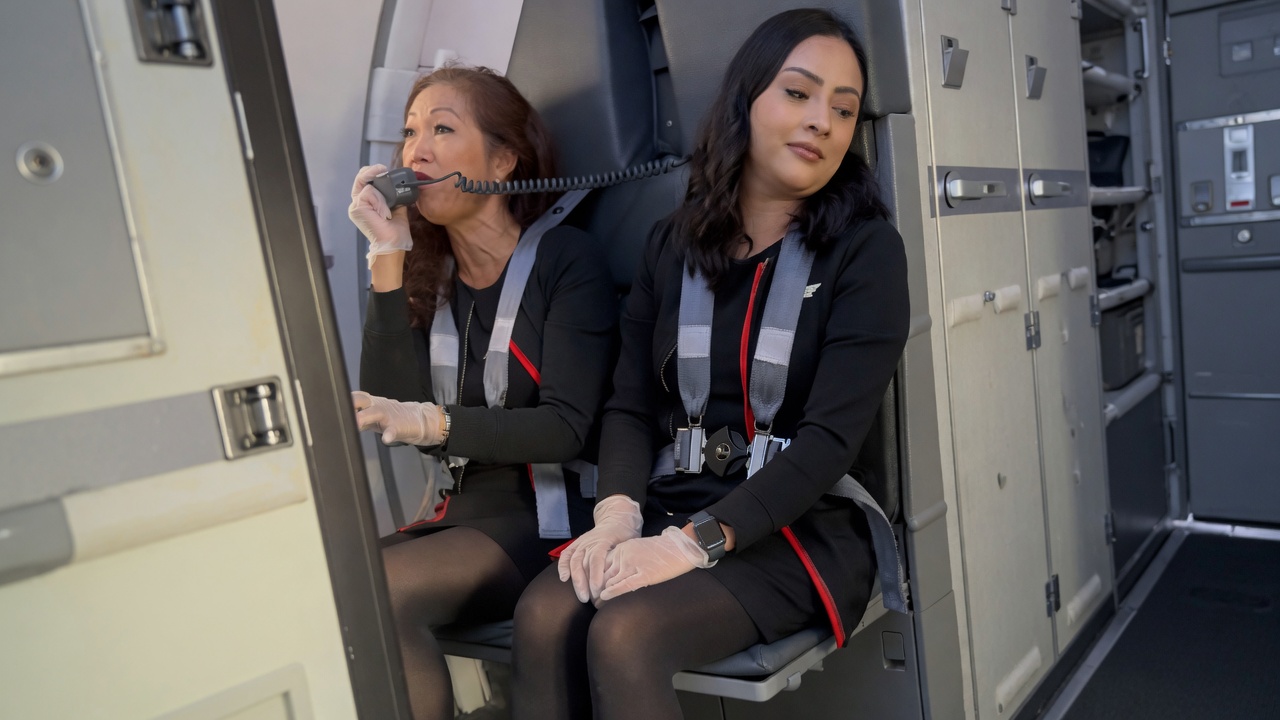
Southwest Airlines is restoring jumpseat access for mechanics and other maintenance employees on full flights, reversing a 2021 policy that reserved those seats exclusively for flight attendants. The Transport Workers Union (TWU), which represents mechanics, successfully challenged Southwest's restriction after the airline implemented the flight-attendant-only rule. Now mechanics will regain the ability to travel in jumpseats during fully booked flights, provided they complete annual safety training.
Flight attendants oppose the change vehemently. The jumpseat represents a rare perk for crew members trying to position themselves between cities or reach personal destinations without paying for a ticket. With Southwest's limited seat inventory and no first-class cabin, jumpseats become particularly valuable. The scarcity transforms this benefit into a contentious negotiating point between competing unions at the carrier.
The dispute reflects deeper labor tensions at Southwest. Flight attendants argue that mechanics rarely need jumpseat access compared to their own operational requirements. Mechanics counter that the previous policy unfairly excluded them from employee travel benefits that other workers at rival carriers like United and American maintain routinely.
Southwest's decision requires jumpseating mechanics to undergo annual training, establishing a compromise that addresses safety concerns while acknowledging the TWU's grievance. Still, the flight attendants union remains dissatisfied, viewing the restoration as an encroachment on hard-won protections.
This conflict illustrates how employee benefits extend far beyond salary at major airlines. With Southwest operating point-to-point routes across the continental U.S., crew positioning between cities like Denver, Las Vegas, and Orlando matters significantly to worker quality of life. The airline's lean staffing model and competitive cost structure make every available resource hotly contested between union groups.
Travelers won't notice operational changes, but the internal conflict signals continuing labor friction at Southwest as the carrier navigates competing demands from its flight attendant and mechanic work