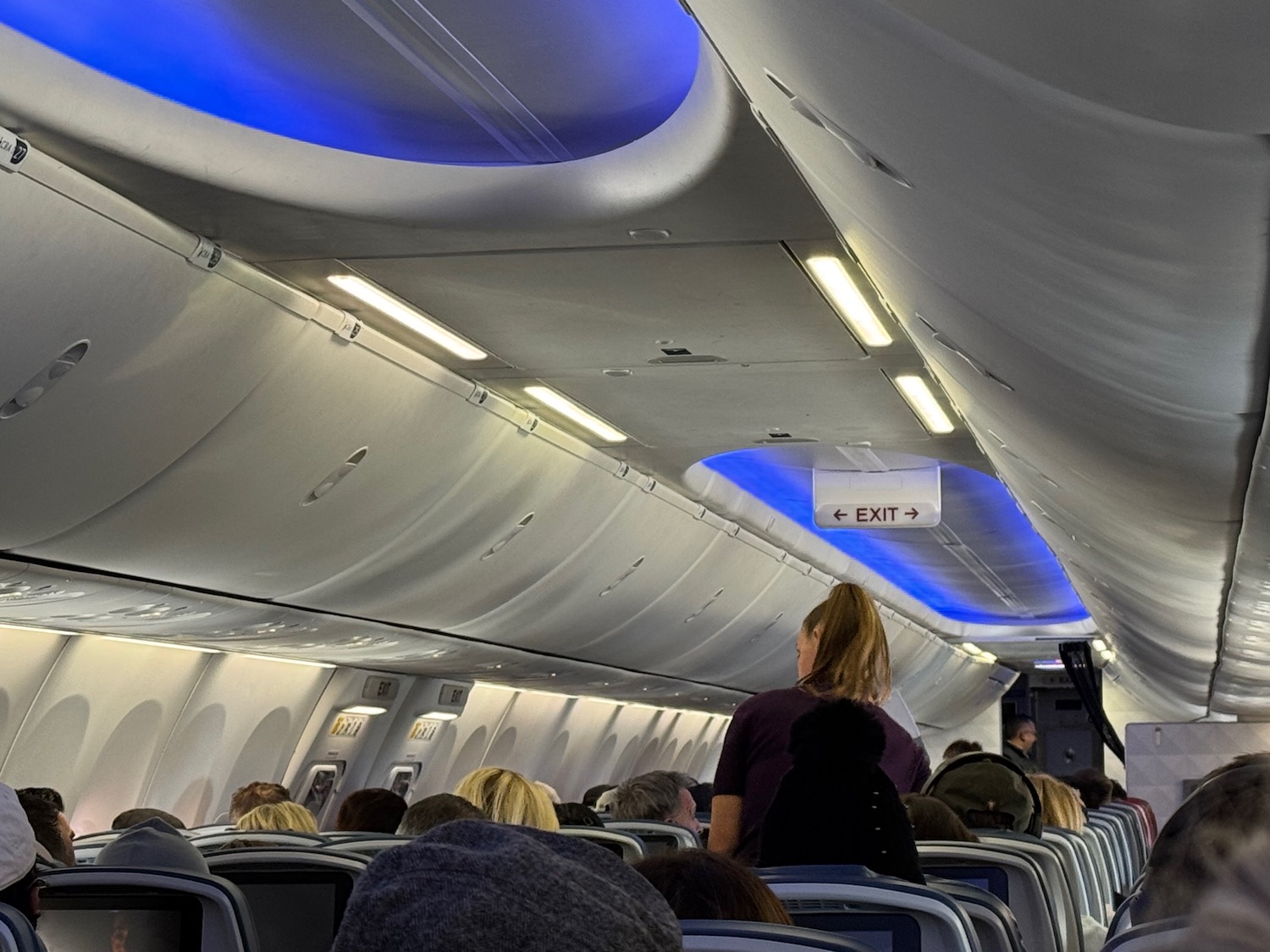
A Delta Air Lines flight from Fort Lauderdale to Los Angeles diverted to Atlanta after a passenger assaulted a flight attendant during beverage service. The male passenger allegedly slapped the flight attendant on the buttocks after claiming she had skipped him when distributing drinks. Federal authorities charged him following the incident.
The diversion disrupted the cross-country route, forcing the aircraft to land in Atlanta where law enforcement removed the passenger. Flight attendants work under stressful conditions serving hundreds of passengers during long flights, and physical contact of any kind violates federal aviation regulations. The incident underscores ongoing tensions between passengers and crew members, particularly when service complaints escalate into aggressive behavior.
Airlines including Delta have zero-tolerance policies for passenger misconduct. Federal law prohibits assault on flight crew members, with penalties ranging from substantial fines to prison time. The FAA reported over 5,000 unruly passenger incidents in 2021 and 2022 combined, though numbers have declined since mask mandate lifting reduced one major flashpoint for conflict.
This case reflects broader frustrations travelers face during crowded flights. Extended routes like Fort Lauderdale to Los Angeles test patience, especially when beverage service moves quickly through narrow aisles. Flight attendants manage multiple competing demands while maintaining safety protocols and serving hundreds of passengers per flight.
The passenger now faces federal charges that could result in fines exceeding $35,000 and potential jail time. Airlines maintain that crew members deserve respect and safety at work. Delta, along with American, Southwest, and United, have all implemented stricter enforcement of conduct policies, including banning repeat offenders from future flights.
For travelers, incidents like this reinforce that aircraft represent federal airspace where different rules apply. Aggressive behavior toward crew members carries serious legal consequences beyond just removal from a flight. Airlines continue pressing for stronger federal penalties and passenger education about acceptable