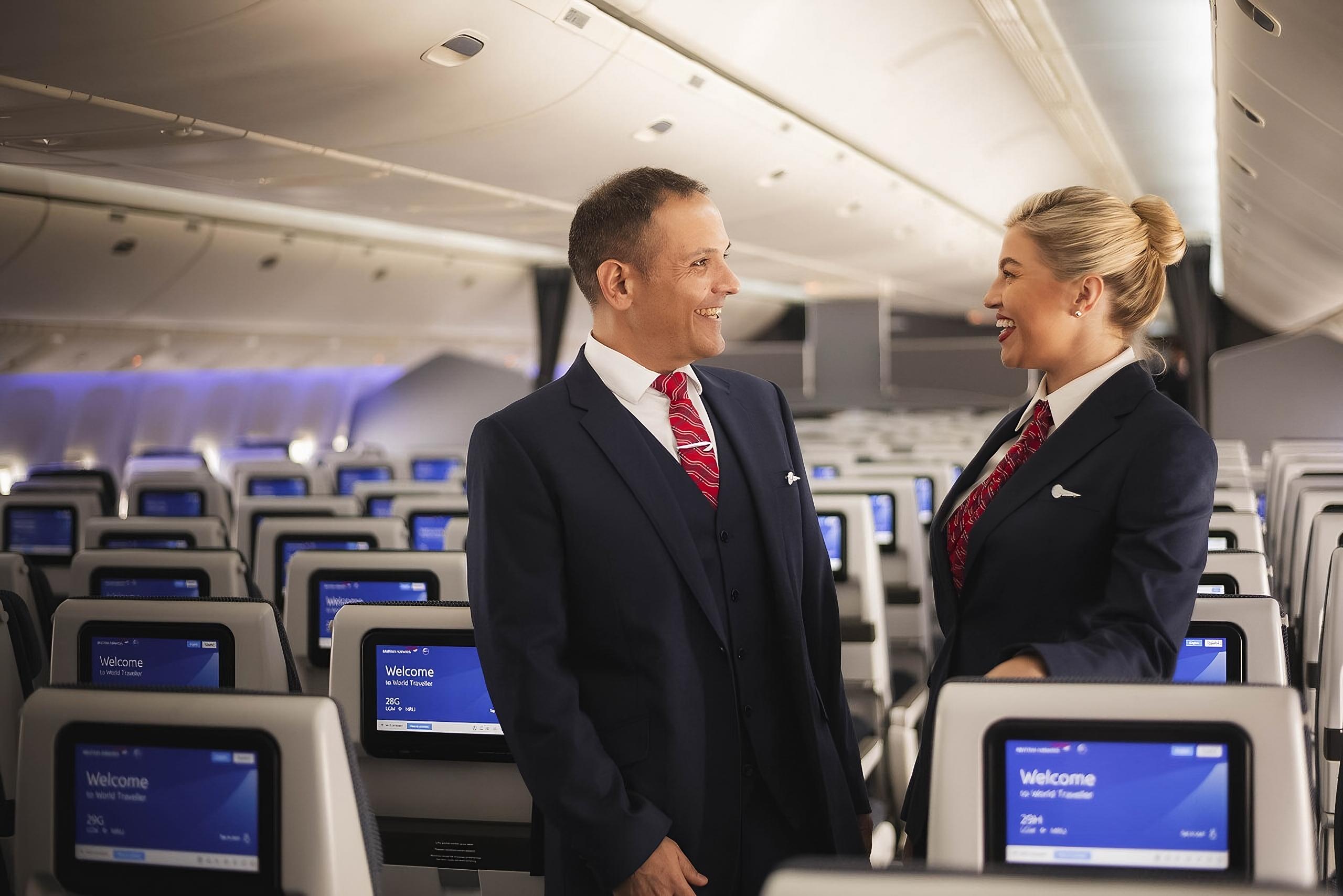
British Airways faces a £6.2 million tax bill from the U.K. government over hotel accommodations provided to flight attendants during layovers between consecutive flights. The dispute centers on whether these London hotel rooms constitute necessary operational expenses or taxable benefits subject to income tax.
The crux of the disagreement involves crew rest requirements. British Airways argues that flight attendants operating back-to-back routes needed accommodation near London's airports to comply with duty regulations and maintain flight safety standards. The airline positioned these rooms as operational necessities, not employee perks.
U.K. tax authorities counter that flight attendants could have traveled home during layovers instead of staying in hotels. The government classifies the accommodation as a taxable benefit and demands approximately $7.8 million in back taxes plus potential penalties.
This case carries implications for international airlines operating from major hubs like London Gatwick and London Stansted. Crew rest policies directly affect scheduling efficiency and labor costs. Airlines worldwide rely on strategic layover accommodations to maximize flight attendant productivity while adhering to strict fatigue regulations mandated by aviation authorities.
The dispute also reflects broader tensions between operational pragmatism and tax treatment. European Union and U.K. aviation safety rules set specific limits on flight time and mandatory rest periods. Airlines argue these rules necessitate accommodation near operating bases for crew safety and schedule reliability.
British Airways is contesting the tax demand, arguing that the hotel costs represent legitimate business expenses rather than taxable compensation. The outcome could reshape how British and European carriers structure crew accommodations and expense reporting.
Other airlines monitoring the case include Ryanair, EasyJet, and Lufthansa, which similarly house crews near major European hubs during tight turnarounds. A ruling against British Airways could trigger substantial back-tax assessments across the industry and force carriers to reconsider crew rest logistics.
The case remains