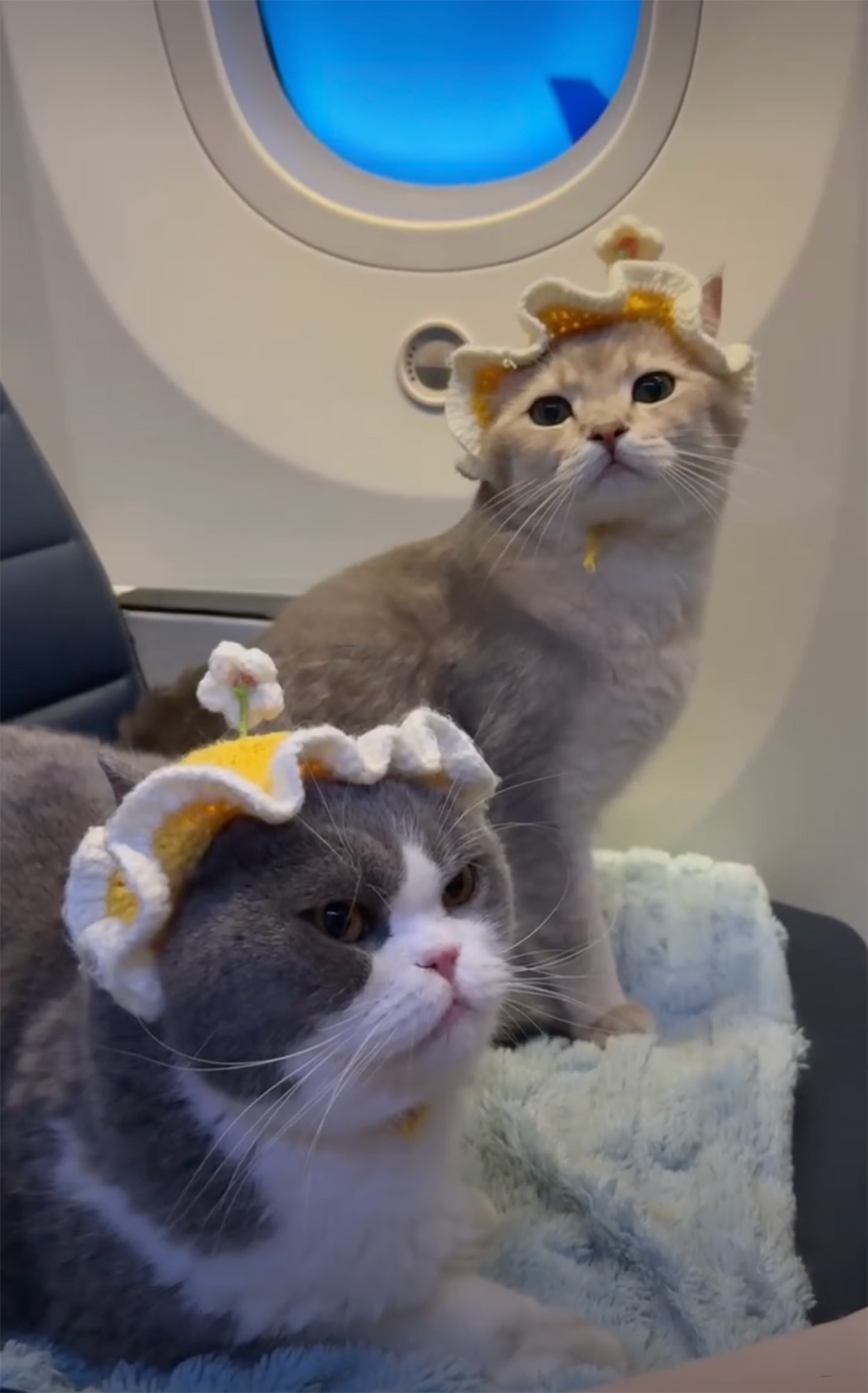
Two cats completed a transpacific flight to Japan aboard United Airlines, traveling in the cabin rather than in cargo hold conditions. The felines, according to their owner's social media posts, tolerated the long-haul journey without major incident. The cats flew in United's main cabin, not in specialized pet areas or cargo compartments.
This case raises practical questions about pet air travel policies. United Airlines permits cats and dogs in cabin on most domestic and international flights, including transpacific routes to Japan. Owners pay pet fees, typically $125 per animal for domestic flights and potentially higher amounts for international routes. The airline requires carriers small enough to fit under the seat in front of passengers.
Japan accepts imported pets but enforces strict quarantine requirements. Travelers bringing cats or dogs must provide health certificates, rabies vaccination records, and microchip documentation. The animals often face quarantine periods ranging from ten days to several weeks depending on their origin country and vaccination status. These requirements exist to prevent disease introduction.
Pet air travel has grown as remote work and digital nomadism expand. More travelers relocate internationally with their animals rather than rehoming them. Airlines have responded by maintaining pet cabin policies, though standards vary widely. Some carriers limit pet numbers per flight. Others charge significantly higher fees for international routes.
The practice remains contentious among frequent flyers. Concerns include allergies affecting nearby passengers, behavioral unpredictability in confined spaces, and stress on animals during flight. Airlines balance pet-friendly policies against passenger comfort complaints. United's pet policy generates regular debate on aviation forums, with critics questioning whether cabin conditions suit animals during 11-plus hour flights to Japan.
For travelers considering pet relocation to Japan or other Asian destinations, planning starts months ahead. Consulting with Japanese agricultural authorities and veterinarians experienced in international pet transport proves essential. Some owners hire specialized pet relocators who handle documentation, quarantine arrangements, and ground