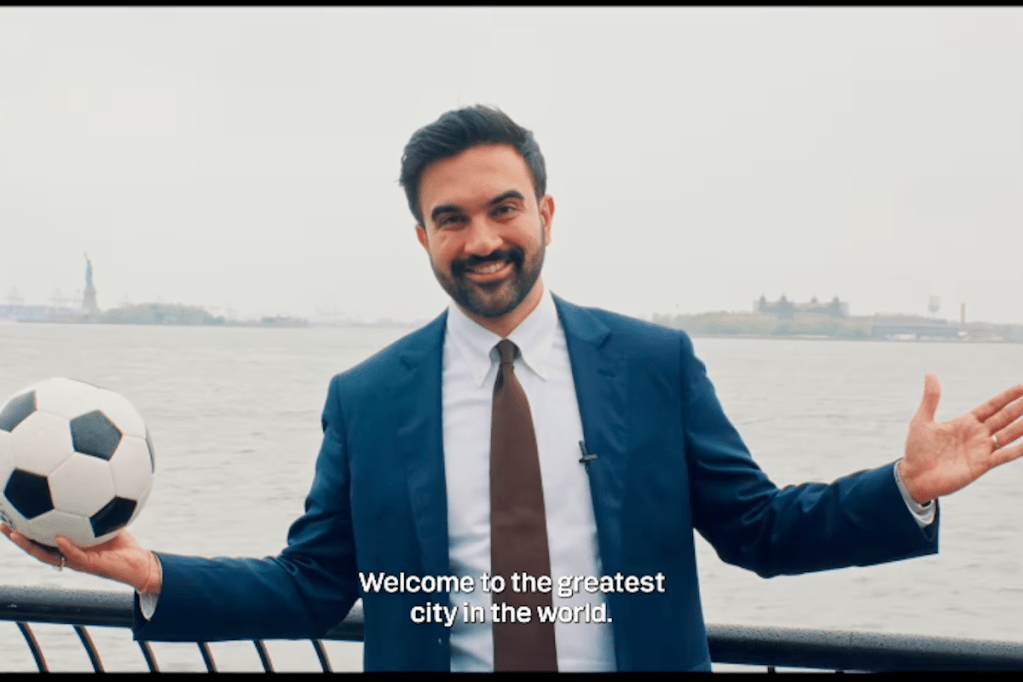
U.S. host cities for the 2026 FIFA World Cup are launching aggressive marketing campaigns to counter declining international tourism. Cities including Los Angeles, New York, Miami, Dallas, and Kansas City are spending millions on promotional videos and tourism initiatives to reassure foreign visitors about safety, accessibility, and value.
The push reflects a broader trend. International travel to the United States has declined in recent years, driven by concerns over gun violence, healthcare costs, and visa complications. The World Cup represents a rare opportunity to reshape perceptions and drive bookings from markets that have turned hesitant.
Los Angeles is investing heavily in multilingual campaigns targeting European and Asian travelers. New York City's tourism board emphasizes cultural attractions and world-class infrastructure. Miami highlights Caribbean connectivity and beach experiences. Dallas and Kansas City are positioning themselves as affordable alternatives to coastal mega-cities, with lower accommodation costs and authentic Americana.
Marketing videos stress inclusivity, security measures, and diverse neighborhoods. Host cities partner with hotels, airlines, and tour operators to bundle packages at competitive rates. Early booking incentives and group discounts target travel agencies across Europe, Latin America, and Asia.
The 2026 World Cup will span 16 U.S. cities across three nations, with matches also in Canada and Mexico. The tournament expects over 4 million attendees, generating an estimated $10 billion in economic impact. For individual host cities, the financial stakes are enormous. International visitors typically spend more per day than domestic travelers, staying longer and visiting multiple attractions.
Airlines including United, American, and Delta are adding capacity on routes to World Cup host cities. Hotels are upgrading facilities and training staff to accommodate foreign guests. Local tourism boards recognize that first-time visitors often return, extending the tournament's legacy well beyond 2026.
The messaging is clear: America is open for business. Cities are banking that a positive World Cup experience will convert skeptical