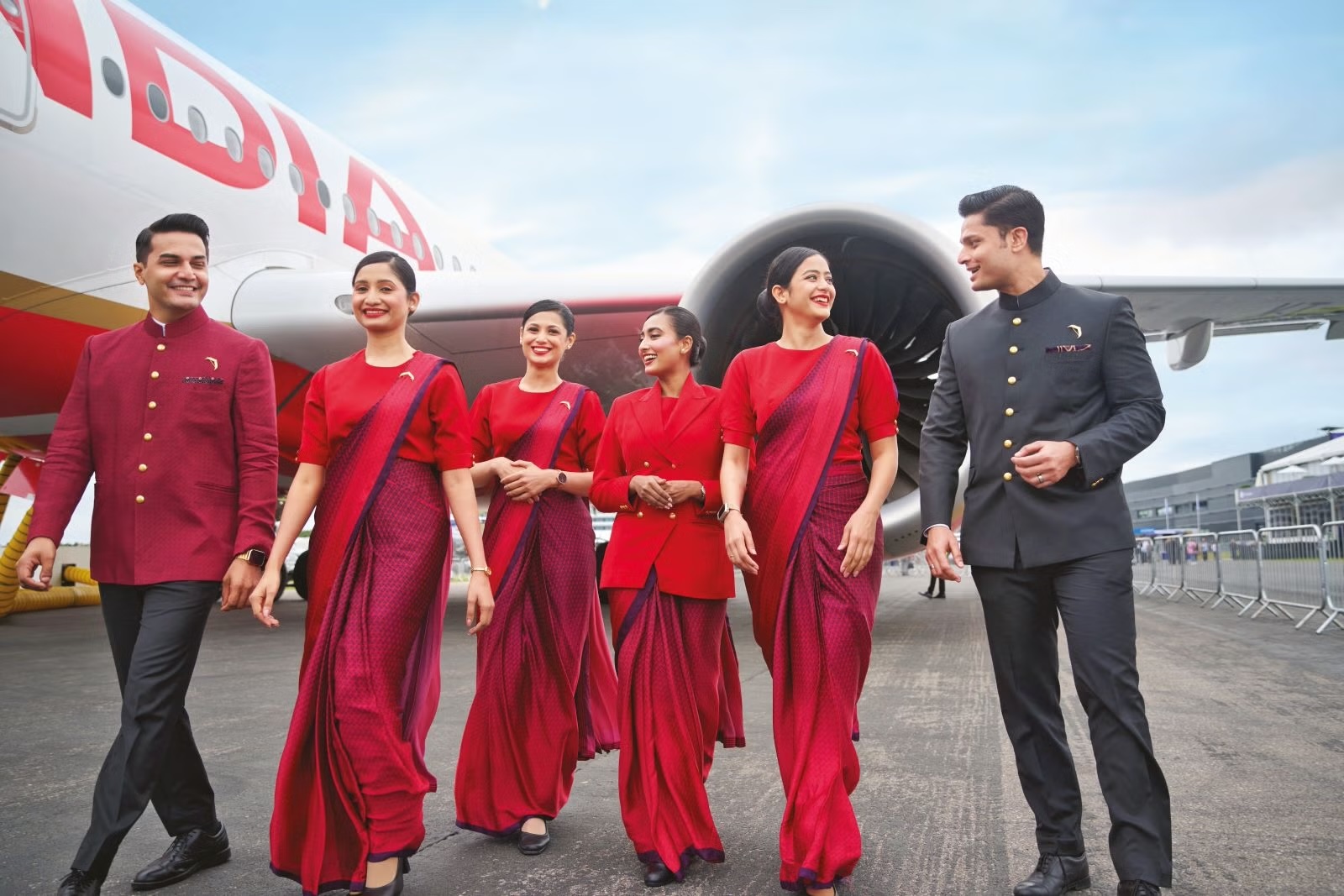
Air India, owned by India's Tata Group, faces a sharp reality check after accumulating $2.8 billion in losses despite ambitious turnaround plans. The carrier announced a strategic shift from aggressive expansion to aggressive cost-cutting, signaling that growth announcements alone cannot mask operational challenges.
The airline launched its transformation program following Tata's acquisition in 2021, investing heavily in fleet modernization, route expansion, and service upgrades. Air India added aircraft including Boeing 787 Dreamliners and Airbus A350s while expanding international networks from major hubs in Delhi, Mumbai, and Bangalore. These moves aimed to position Air India as a competitor to rivals like IndiGo and SpiceJet domestically and internationally.
However, mounting losses forced a strategic pivot. Tata Group now demands immediate cost controls across operations, staffing, and maintenance. This reversal reflects broader airline industry pressures: fuel costs remain volatile, labor expenses climb, and capacity additions don't guarantee profitability without disciplined unit economics.
For travelers, this shift creates mixed implications. In the short term, passengers may see reduced amenity investments and route rationalization as Air India exits unprofitable services. The airline will likely focus resources on high-demand corridors like Delhi-Singapore, Mumbai-London, and domestic trunk routes rather than experimental long-haul launches.
International expansion plans face delays. Air India had targeted transatlantic and trans-Pacific growth aggressively. Cost-cutting could halt or slow new long-haul frequencies from gateway cities, limiting direct flight options for Indian travelers booking premium cabin seats.
Domestically, Air India competes fiercely with IndiGo's low-cost model and SpiceJet's aggressive pricing. Without reinvestment in premium experiences or competitive capacity additions, Air India risks losing business travelers to carriers offering superior service or lower fares